
















Lactobacillus Salivarius
As the name suggests, Lactobacillus salivarius is a type of bacteria prevalent in our saliva. It's responsible for metabolizing carbohydrates to produce organic acids such as lactic acid and acetic acid. These important substances help to inhibit the growth and spread of pathogens and other microorganisms that can cause infection and disease. L. salivarius also produces hydrogen peroxide and other antimicrobial compounds.
In the human body, L. salivarius is present in the colon, small intestines, vagina and mouth. Lactobacillus salivarius is generally taken in supplement form, but is also found in foods such as yogurt, tomatoes, bananas, chicory root, artichokes, garlic and asparagus.
Parameters of Lactobacillus Salivarius
|
Appearance |
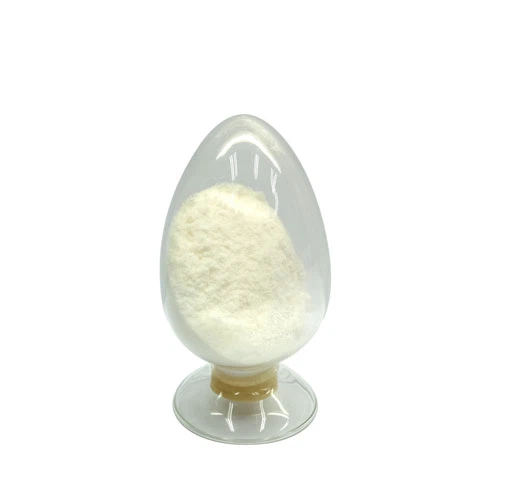
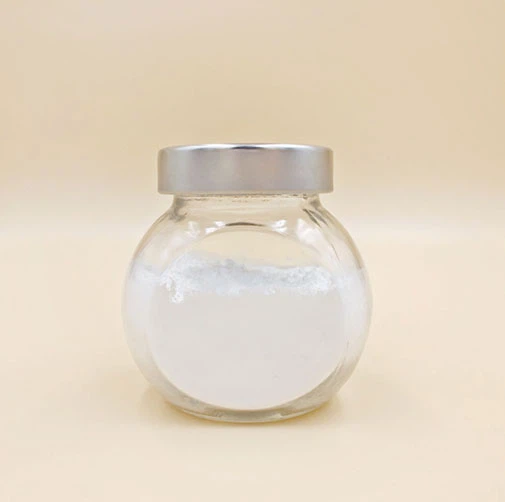
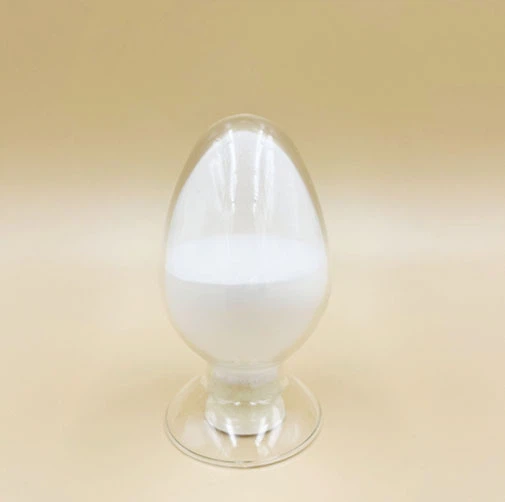
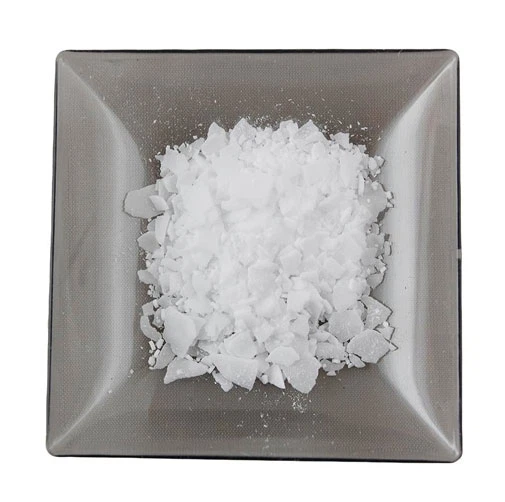
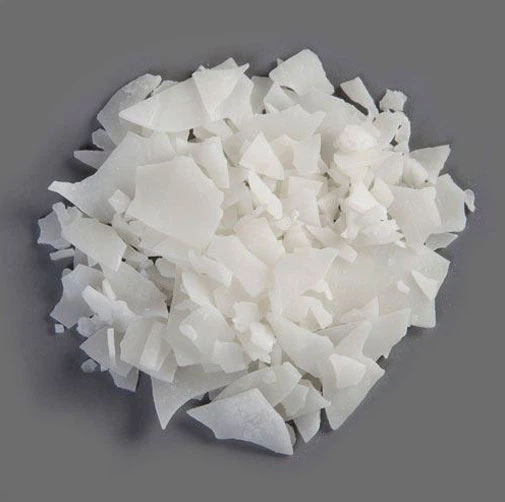
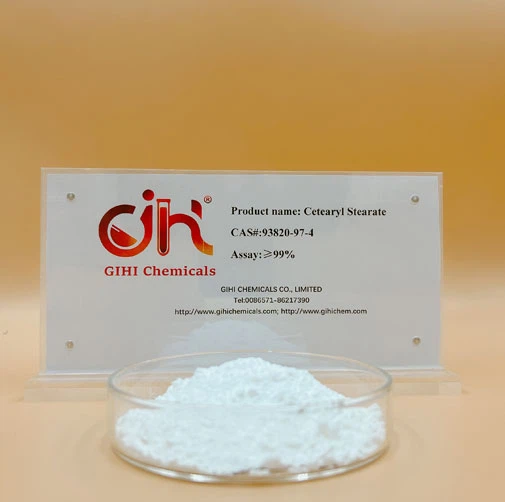
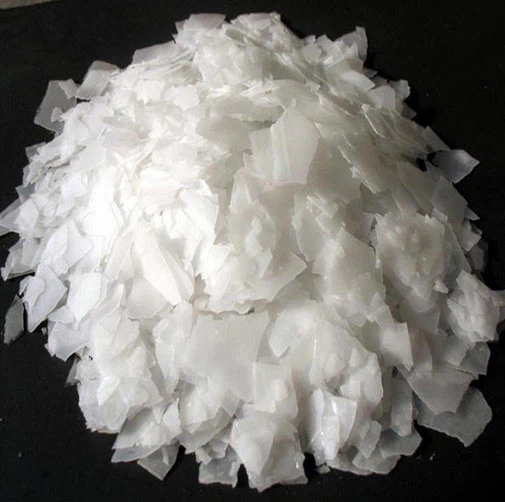
White Powder |
|
Identification |
IR |
|
Assay (HPLC) |
≥99.0% |
|
Loss Of Drying |
≤10.0% |
|
Residue On Ignition |
≤20% |
|
Heavy Metal |
≤10ppm |
|
Particle Size (100 Mesh) |
≥95% |
● Packing: 100g/bag; 500g/bag; 1kg/bag; 25kg/drum
● Recommended storage method: Store in a cool, dry and ventilated place.
● Recommended storage temperature: 2-8°C
Functions of Lactobacillus Salivarius

● Inhibit candida
● Reduce cavities
● Reduce gingivitis
● Help prevent strep throat (caused by S. pyogenes)
● Reduce mastitis
● Reduce ulcerative colitis
● Reduce IBS
● Inhibit E. coli & Salmonella spp