





















Lactobacillus Acidophilus
Lactobacillus acidophilus can adjust the balance of intestinal flora, inhibit the proliferation of undesirable intestinal microorganisms, and have an antagonistic effect on disease-causing microorganisms.
Lactobacillus acidophilus secretes anti-biotics (lactobacillin, acidophilus, lactobacillin), which have antagonistic effects on intestinal pathogenic bacteria.
● CAS No.: 308084-36-8
● EC No.:
● MF:
● MW:
Parameters of Lactobacillus Acidophilus
|
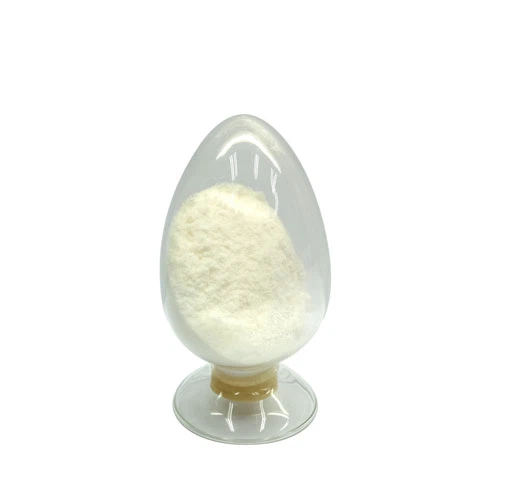
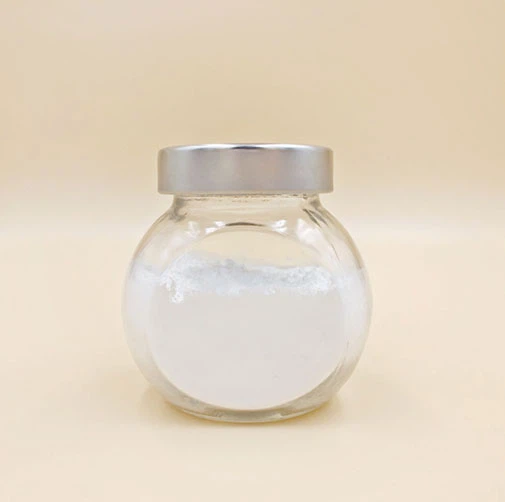
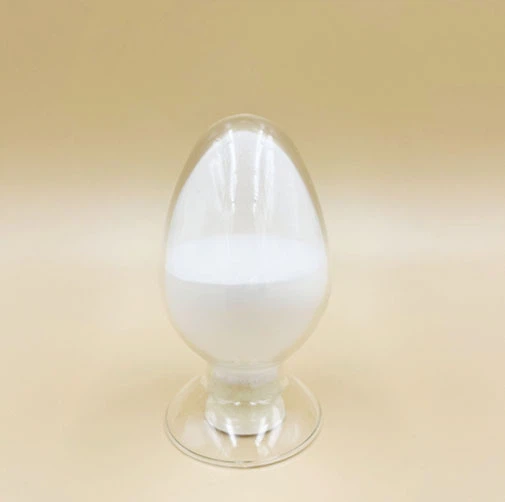
Appearance |
White Or Slightly Yellow Powder |
|
Total LAB count |
10MM/g Min 1MM/g = 1, 000, 000, 000cfu/g |
|
Odor & Taste |
Characteristic |
|
Loss On Drying |
5.0% Max |
|
Total non-LAB Count |
1000cfu/g Max |
|
E.Coli |
90MPN/100g Max |
|
Yeast & Mould |
100cfu/g Max |
|
Salmonella |
Negative/25g |
|
S. aureus |
Negative/25g |
● Packing: 100g/bag; 500g/bag; 1kg/bag; 25kg/drum
● Recommended storage method: Store in a cool, dry and ventilated place.
● Recommended storage temperature: 2-8°C
Applications of Lactobacillus Acidophilus
Inhibit pathogenic bacteria, anti-disease
Lactobacillus acidophilus can effectively adjust the balance of the animal intestinal flora, enhance immunity and improve animal survival rate.
Promote animal growth
Synthesize B vitamins Chemicalbook, amino acids, unspecified growth-promoting factors and other nutrients to promote animal growth.
Purify the breeding water
Reduce the content of ammonia and other harmful substances in the breeding water, decompose fish residues, feces and organic matter.
Functions of Lactobacillus Acidophilus

● Adjust bacterium group micro ecology balance
● Improve animals immunity
● Increases feed utilization rate of digestion
● Reduce excretion of ammonia, nitrogen in animal stools