





The Wisdom Core of Breast Milk: 2'-FL, Building a Golden Line of Defense in the Early Stages of Life
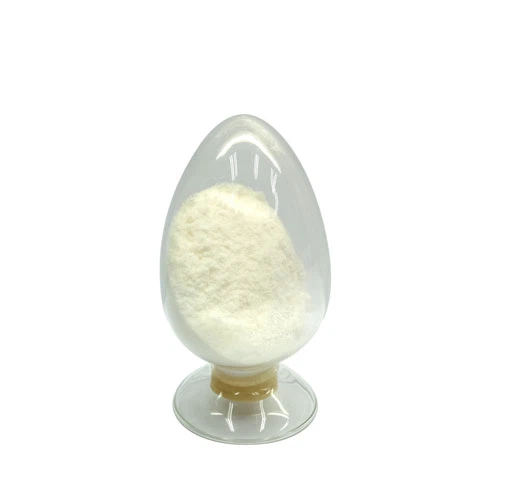
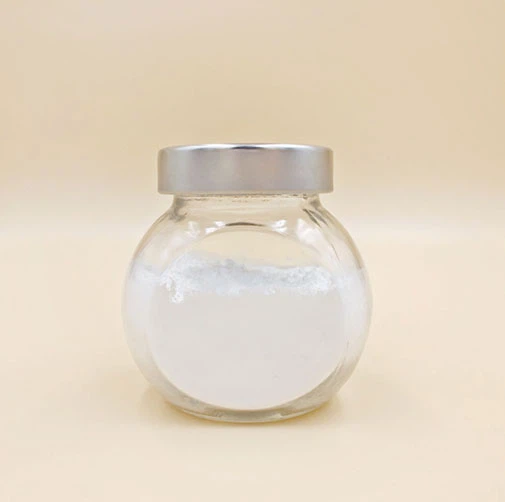
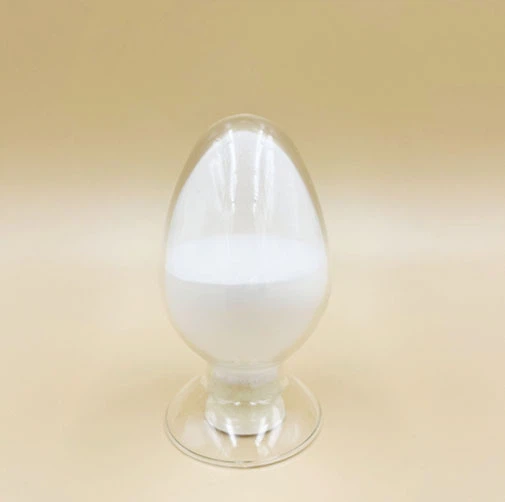
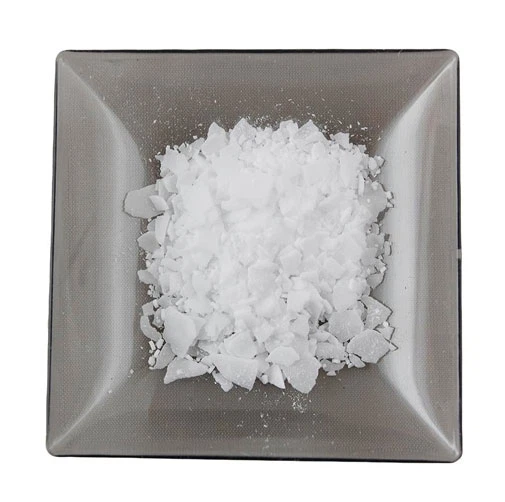
Among the thousands of essences in breast milk, there is an ingredient known as the "golden immune factor" - 2'-Fucosyllactose (2'-fucosyllactose, abbreviated as 2'-FL). As the most abundant human milk oligosaccharide (HMOs), 2'-FL is the first health gift given by nature to newborns, and it is also the key code for modern nutritional science to unlock the health of early life.
The core efficacy of 2'-FL lies in its unique dual role as a prebiotic and immune regulator. It cannot be directly digested by the human body, but it can accurately become an exclusive "delicacy" for beneficial bacteria (such as bifidobacteria) in the baby's intestines, helping to establish a healthy intestinal microecology dominated by beneficial bacteria [1]. A balanced intestinal flora is the basis for strong digestion and absorption functions and a healthy immune system.
More importantly, 2'-FL plays the role of "immune bait". It can attract harmful pathogens (such as E. coli and Salmonella) like a magnet, thus preventing these pathogens from attaching to the delicate intestinal wall of the baby and eventually being excreted from the body, reducing the risk of infection from the source [2]. This passive immune protection mechanism is an important reason why breastfed babies have stronger resistance.
Today, through advanced biosynthesis technology, pure 2'-FL can be added to infant formula and other functional foods, so that non-breastfed babies can also get this precious protection from breast milk. Choosing 2'-FL means choosing to be close to nature and laying the most solid foundation for the healthy growth of your baby.
References :
1.Bode, L. (2012). "Human milk oligosaccharides: Every baby needs a sugar mama." Glycobiology, 22(9), 1147-1162.
2.Pacheco, A. R., et al. (2015). "Fucosyltransferase 2 status and personal microbiota: The example of 2'-fucosyllactose." Current Opinion in Clinical Nutrition & Metabolic Care, 18(4), 329-335.
1:Where to buy bulk 2'-Focusllactose/CAS No.41263-94-9?
Send an inquiry email to us :sales@gihichem.com
Our professional team will reply to you within 6 hours.
2:What will you get from gihi chemicals except higher quality products?
Gihi Chemicals Co.,Limited, is a professional manufacturer with
3strong research and development lab centers + 4 standardized production workshops,with ISO9001 & FDA certificate & CE certificates.
Except the high quality product, your team will get the following 4 support:
1): Factory direct sales, China's lower price, free sample is available.
2): COA, TDS, SDS and other testing spectrum are available at any time.
3):ISO9001, FDA, CE certificate, 3 labs and 4 factories, to insure the higher quality.
4): Large quantity in stock, prompt delivery from warehouse, 24h professional service.
3:Why Choose gihi chemicals for Your trustful supplier?
●Extensive Selection: Our 3 labs and 4 factories ensure every year, we could produce more than 100 new chemical structures every year.
●GMP-Compliant Facilities: Our 4 professional factories comply with strict GMP (Good Manufacturing Practice) guidelines, ensuring the highest quality and safety standards throughout production.
●Rigorous Certifications: All ingredients are certified with HACCP, ISO, FDA,CE certificates.
●Competitive Wholesale Prices: Enjoy cost-effective pricing without compromising on quality.
●Customizable Solutions: OEM and ODM services are available. Tailor your ingredient blends to your specific needs and target clients.
●Expert Technical Support: Our expert team is here to answer your questions and guide you through the selection process.
●Quicker Delivery: We ensure smooth and timely delivery to your desired destination anywhere.