






A "Molecular Fire Extinguisher" for Neurogenic Inflammation: Palmitoyl Tripeptide-8-Redefining Comfort for Sensitive Skin via the MC1R Receptor

In the era of increasingly sophisticated functional skincare, a profound yet often overlooked truth is being consistently validated by the scientific community: the redness, stinging, and burning sensations characteristic of sensitive skin are, at their core, a "neurogenic inflammatory storm" ignited by the interplay between nerve endings and immune cells. When skin sensory nerve endings perceive triggers-such as ultraviolet radiation, pollution, surfactants, or even temperature fluctuations-as "invaders," they release a surge of neuropeptides (e.g., Substance P, CGRP). These, in turn, activate keratinocytes and mast cells, triggering a cascade of pro-inflammatory mediators-including IL-1, IL-6, IL-8, and TNF-α-which manifest visibly as erythema, edema, and stinging sensations.
While traditional soothing ingredients often attempt to "extinguish the fire" downstream, they frequently fail to intercept the storm at its signaling source. Enter Palmitoyl Tripeptide-8-a biomimetic lipopeptide composed of histidine, D-phenylalanine, and argininamide (sequence: N-(1-oxohexadecyl)-L-histidyl-D-phenylalanyl-L-argininamide; CAS 936544-53-5; trade name: Neutrazen™). By uniquely modulating the MC1R receptor, this peptide pioneers a "neuro-immune dual-pathway" approach to sensitive skin care, earning its reputation as one of the most promising biomimetic peptides in modern dermatological science【1】【2】.
I. Molecular Origins: Biomimetic Wisdom Inspired by α-MSH
The design of Palmitoyl Tripeptide-8 draws inspiration from an endogenous human neuropeptide: α-melanocyte-stimulating hormone (α-MSH). α-MSH, a derivative of POMC (pro-opiomelanocortin), plays a pivotal role in the regulation of skin immunity and inflammation. It binds to the melanocortin-1 receptor (MC1R) on the surface of melanocytes and keratinocytes, triggering downstream anti-inflammatory signaling pathways and downregulating the expression of pro-inflammatory cytokines such as IL-1, IL-6, IL-8, and TNF-α [2].
Through a biomimetic approach, scientists have distilled the anti-inflammatory component of α-MSH-the specific peptide sequence responsible for its anti-inflammatory activity, excluding its melanogenic (melanin-stimulating) properties-into a tripeptide. By incorporating an N-terminal palmitoyl modification (attaching a C16 fatty acid chain), the molecule gains excellent lipophilicity, enabling it to efficiently penetrate the stratum corneum and reach target cells within the basal layer of the epidermis and the superficial dermis [1][2].
Crucially, this peptide sequence deliberately avoids the region of α-MSH responsible for inducing melanin synthesis. Consequently, it retains the full anti-inflammatory efficacy of α-MSH without triggering any pigmentation-making it a truly biomimetic molecule that offers "high-efficiency anti-inflammatory action with zero risk of hyperpigmentation" [3].
II. Core Mechanism I: Reshaping Anti-Inflammatory Signaling as an MC1R Agonist
The primary mechanism of action for palmitoyl tripeptide-8 lies in its role as a highly selective MC1R agonist, mimicking the anti-inflammatory functions of α-MSH. Upon binding to MC1R, it triggers the activation of the intracellular cAMP pathway, which in turn downregulates NF-κB (nuclear factor-κB) signaling-the "central regulatory hub" of the skin's inflammatory response [2].
Once NF-κB is inhibited, the entire cascade of pro-inflammatory cytokines is effectively "silenced." The transcription and release of IL-1, IL-6, IL-8, and TNF-α are significantly reduced, while vasodilation and neurogenic edema are alleviated, thereby raising the skin's threshold for reactivity [2]. In vitro experimental data show that, in a model of UVB-irradiated keratinocytes, palmitoyl tripeptide-8 significantly inhibits the production of IL-8 by 32%-an effect comparable to that of α-MSH. In a model of IL-1-stimulated fibroblasts, the inhibition rate for IL-8 reaches as high as 64%, even surpassing that of α-MSH itself [3]. These findings clearly demonstrate its exceptional efficacy as an anti-inflammatory peptide targeting the MC1R pathway.
III. Core Mechanism II: Antagonizing Substance P to Quench Neurogenic Inflammation
If the MC1R pathway acts as an "immune fire extinguisher," then the antagonism of Substance P by palmitoyl tripeptide-8 serves as a "neurological fire extinguisher."
Substance P is a key neuropeptide involved in neurogenic inflammation in sensitive skin. When released from sensory nerve endings in the skin, it triggers mast cell degranulation, vasodilation, and plasma extravasation, resulting in visible erythema (redness) and edema (swelling). By downregulating the cascade reaction initiated by Substance P, palmitoyl tripeptide-8 reduces the release of IL-1, IL-8, and TNF-α, mitigates vasodilation, and helps prevent or alleviate itching, stinging, erythema, and edema caused by external stimuli [2].
In skin explant models, researchers stimulated skin samples with Substance P. The results showed that treatment with palmitoyl tripeptide-8 led to a 30% reduction in the number of dilated capillaries, a 51% decrease in the diameter of dilated blood vessels, and a 60% reduction in the severity of edema [3]. These data provide clear, direct evidence of the peptide's superior performance in regulating neurogenic inflammation.
IV. Clinical Evidence: Comprehensive Validation-From SDS-Induced Irritation to Rosacea
The body of clinical evidence supporting palmitoyl tripeptide-8 is its most compelling feature. 1. SDS Irritation Test: 78% Reduction in Skin Temperature
In two clinical studies conducted by the supplier, researchers induced an irritant contact dermatitis reaction by applying a 0.5% sodium dodecyl sulfate (SDS) solution to the inner forearms of volunteers for 24 hours. Subsequently, a formulation containing Palmitoyl Tripeptide-8 was applied three times daily [3].
Infrared thermography revealed that the skin temperature in areas treated with Palmitoyl Tripeptide-8 was 78% lower than the elevated temperature induced by the SDS (a statistically significant result). Furthermore, photographic evidence showed a clear reduction in erythema (redness) [3]. The decrease in skin temperature serves as a direct indicator of significant inhibition of the inflammatory response, providing robust clinical evidence for the anti-inflammatory efficacy of Palmitoyl Tripeptide-8.
2. Adjunctive Care Study for Rosacea: Significant Improvement Over 8 Weeks
Rosacea is a classic example of neurogenic inflammation and represents one of the most challenging conditions in the care of sensitive skin. An open-label study published in a clinical journal involved 25 patients with rosacea (23 women, 2 men). Participants continued their existing treatments while also applying a complex emulsion containing Palmitoyl Tripeptide-8 for a period of 8 weeks [3][4].
Evaluations using Visia-CR imaging and patient self-assessments demonstrated statistically significant improvements in erythema, flushing, skin tone evenness, and the overall severity of the rosacea. Additionally, improvements were observed in skin radiance, texture, and overall appearance. Regarding tolerability, symptoms such as skin dryness, edema, and stinging sensations were significantly reduced [3][4]. This study is particularly significant as it confirms the efficacy of Palmitoyl Tripeptide-8 as an adjunctive treatment in a real-world clinical population with sensitive skin, moving beyond mere in vitro data. 3. Recommended Concentration: 4 ppm-"Small Molecule, Big Impact"
Research confirms that Palmitoyl Tripeptide-8 is effective at extremely low concentrations; the recommended usage range is 0.0005%–0.01% (5–100 ppm). In some studies, a concentration of just 4 ppm was shown to significantly reduce skin erythema and irritation within 28 days [5]. This "low-concentration, high-potency" profile allows it to deliver exceptional efficacy in formulations while ensuring cost-effectiveness and a gentle, non-irritating nature.
V. Efficacy Dimensions: Comprehensive, Full-Cycle Care-From Immediate Soothing to Long-Term Stabilization
Based on the aforementioned multi-faceted mechanisms, Palmitoyl Tripeptide-8 offers five core benefits in skincare applications:
1. Rapid Anti-Inflammatory Action: A "Molecular Fire Extinguisher" for Urgent Calming
For sudden redness, burning, or stinging-such as those triggered by chemical peels, sun exposure, aesthetic procedures, or acute flare-ups of rosacea-Palmitoyl Tripeptide-8 can rapidly quell inflammatory storms. It serves as a key active ingredient in "emergency relief" serums and post-procedure recovery masks designed for sensitive skin [3].
2. Long-Term Stabilization: Raising the Skin's Reactivity Threshold
By continuously modulating MC1R signaling and the Substance P pathway, it raises the skin's threshold for reacting to external stimuli. This significantly reduces the frequency of sensitivity flare-ups, making it ideal for gentle, long-term skin stabilization [2].
3. Barrier Protection: Supporting the Reconstruction of the Stratum Corneum
By inhibiting inflammation-induced damage to keratinocytes, Palmitoyl Tripeptide-8 creates a favorable microenvironment for barrier repair. It accelerates the physical reconstruction of a compromised barrier and reduces Transepidermal Water Loss (TEWL) [1][5].
4. Alleviation of Neurogenic Edema
By downregulating the increase in vascular permeability triggered by Substance P, it effectively reduces facial edema and a "puffy" appearance, resulting in more defined facial contours [3]. 5. Synergistic Anti-Aging: A "Comfortable" Alternative to Potent Actives
For individuals with sensitive skin who cannot tolerate aggressive anti-aging ingredients like retinol or alpha hydroxy acids (AHAs), Palmitoyl Tripeptide-8 offers a scientific alternative that delivers anti-aging benefits without irritation. By managing low-grade chronic inflammation over the long term, it reduces inflammation-driven collagen degradation, thereby delaying photoaging at its source [5].
VI. Safety Philosophy: A Scientific Synthesis of Gentleness and Efficacy
The safety profile of Palmitoyl Tripeptide-8 is built upon three key pillars:
Biomimetic Nature: Its sequence is derived from an anti-inflammatory fragment of the body's endogenous α-MSH (alpha-melanocyte-stimulating hormone). It boasts high biocompatibility and does not trigger immune rejection or cytotoxicity.
Non-Destructive Mechanism: It mitigates inflammation through "signaling regulation" rather than "cellular suppression," ensuring that the skin's innate defense and repair mechanisms remain intact.
No Risk of Hyperpigmentation (Rebound Darkening): By specifically excluding the domain of α-MSH responsible for stimulating melanin production, it ensures that long-term use does not lead to skin darkening-a feature particularly well-suited to the needs of Asian consumers who prioritize skin brightening and stability [3].
For those dealing with conditions such as rosacea, atopic dermatitis, steroid-induced dermatitis, or sensitivity following chemical peels-as well as those recovering from aesthetic procedures or simply seeking a long-term, "comfortable" approach to skincare-Palmitoyl Tripeptide-8 serves as a scientifically sound, non-habit-forming option that carries no risk of rebound hyperpigmentation [1][5].
VII. Application Scenarios and Formulation Recommendations
Typical applications for Palmitoyl Tripeptide-8 include:
Serums and creams for sensitive skin: Serving as a core soothing peptide, it works synergistically with ceramides, panthenol, and bisabolol to build a barrier-repair system.
Care for rosacea-prone and redness-prone skin: A long-term maintenance solution for persistent erythema and flushing.
Post-aesthetic procedure recovery: Used following laser treatments, intense pulsed light (IPL) therapy, or microneedling to accelerate the resolution of redness and the reconstruction of the skin barrier.
Companion for chemical exfoliation: Paired with products containing AHAs or salicylic acid to significantly reduce irritation caused by these acids.
Men's post-shave care: Alleviates irritation and micro-inflammation triggered by shaving.
After-sun recovery and soothing mists: Provides rapid calming for acute inflammatory responses induced by UV exposure.
Conclusion: Returning Skincare to Its Essence of Comfort
Truly exceptional skincare should never require a compromise between "efficacy" and "gentleness." By leveraging the biomimetic wisdom of α-MSH, Palmitoyl Tripeptide-8 acts as a key regulator-modulating both the MC1R receptor and the Substance P pathway to "quiet" the skin, turning every skincare application into a comfortable dialogue with one's own complexion.
It teaches us that caring for sensitive skin is not about "layering" products onto the skin, but rather about "gently soothing" its neuro-immune signals. Choosing Palmitoyl Tripeptide-8 means opting for a rational approach to skincare-one rooted in receptor biology and clinical evidence-where redness, stinging, and edema quietly dissipate under the influence of precise molecular instructions, allowing comfort, resilience, and radiance to flourish through gentle, nurturing care.
References and Resources:
Resende, D. I. S. P., Ferreira, M. S., Sousa-Lobo, J. M., Sousa, E., & Almeida, I. F. (2021). "Usage of Synthetic Peptides in Cosmetics for Sensitive Skin." *Pharmaceuticals*, 14(8), 702. (A key review article that systematically outlines the synthesis pathway of Palmitoyl Tripeptide-8, its mechanism as an MC1R agonist, clinical research involving SDS-induced irritation-showing a 78% reduction in skin temperature-and its use as an adjunct in the care of rosacea-prone skin. It also identifies this peptide as the second most commonly used soothing peptide in sensitive skin care.)
ChemicalBook. (2023). "Palmitoyl Tripeptide-8: Biological Functions, Mechanism of Action, Benefits and Applications in Skincare." Technical Article. (A technical paper detailing the core mechanism of action of Palmitoyl Tripeptide-8: it regulates inflammatory responses by inhibiting the binding of α-MSH to MC1R, downregulates the release of IL-1, IL-8, and TNF-α, and alleviates neurogenic edema.)
Cosmacon GmbH. (2024). "Palmitoyl Tripeptide-8: An Innovative Active Ingredient for Sensitive Skin." Technical Article. (A technical document on ingredient application, systematically explaining the POMC-α-MSH biomimetic mechanism of Palmitoyl Tripeptide-8, clinical data showing a 78% reduction in skin temperature under SDS-induced irritation, its efficacy in significantly reducing erythema over 28 days at a concentration of 4 ppm, and formulation guidelines recommending a usage concentration of 0.0005%–0.01%.)
Draelos, Z. D., et al. (2016). "An Open Label Clinical Trial of a Peptide Treatment Serum and Supporting Regimen Designed to Improve the Appearance of Aging Facial Skin." *Journal of Drugs in Dermatology*, 15(9), 1100-1106. (Clinical research literature confirming the significant efficacy and good tolerability of a compound formulation containing palmitoyl peptides in improving skin redness, erythema, edema, and stinging sensations.)
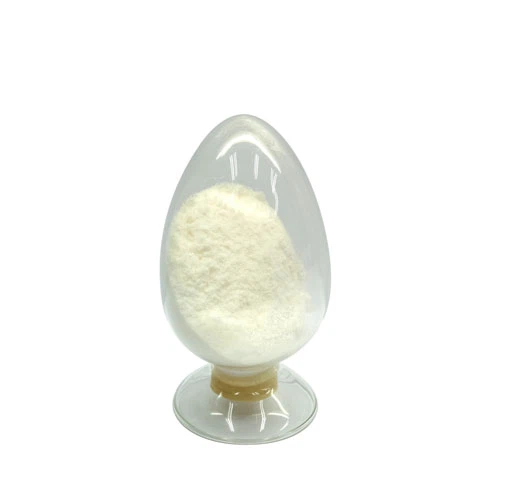
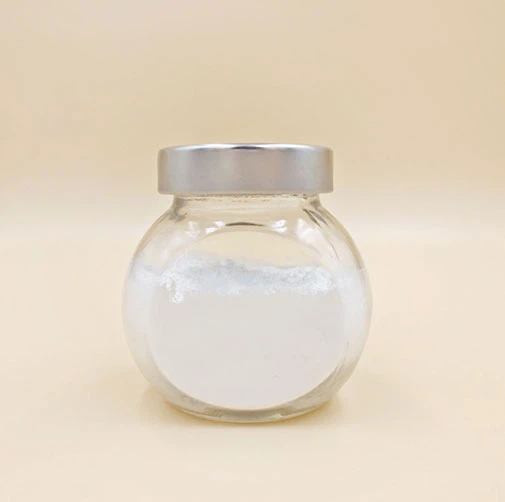
BenchChem. (2024). "Physical and Chemical Properties of Research Grade Palmitoyl Tripeptide-8." Product Technical Data Sheet. (Technical documentation for the raw material, confirming the CAS number for Palmitoyl Tripeptide-8 as 936544-53-5, its physical and chemical properties-appearing as a white to cream-colored powder and being lipid-soluble-and its scientific role as an MC1R-modulating peptide in alleviating neurogenic skin inflammation.)
1:Where to buy bulk Palmitoyl Tripeptide-8+CAS No. 936544-53-5?
Send an inquiry email to us : sales@gihichem.com
Our professional team will reply to you within 6 hours.
2:What will you get from gihi chemicals except higher quality products?
Gihi Chemicals Co.,Limited, is a professional manufacturer with
3strong research and development lab centers + 4 standardized production workshops,with ISO9001 & FDA certificate & CE certificates.
Except the high quality product, your team will get the following 4 support:
1): Factory direct sales, China's lower price, free sample is available.
2): COA, TDS, SDS and other testing spectrum are available at any time.
3):ISO9001, FDA, CE certificate, 3 labs and 4 factories, to insure the higher quality.
4): Large quantity in stock, prompt delivery from warehouse, 24h professional service.
3:Why Choose gihi chemicals for Your trustful supplier?
●Extensive Selection: Our 3 labs and 4 factories ensure every year, we could produce more than 100 new chemical structures every year.
●GMP-Compliant Facilities: Our 4 professional factories comply with strict GMP (Good Manufacturing Practice) guidelines, ensuring the highest quality and safety standards throughout production.
●Rigorous Certifications: All ingredients are certified with HACCP, ISO, FDA,CE certificates.
●Competitive Wholesale Prices: Enjoy cost-effective pricing without compromising on quality.
●Customizable Solutions: OEM and ODM services are available. Tailor your ingredient blends to your specific needs and target clients.
●Expert Technical Support: Our expert team is here to answer your questions and guide you through the selection process.
●Quicker Delivery: We ensure smooth and timely delivery to your desired destination anywhere.