








Decapeptide-23: A Biomimetic Peptide Acting as a "Repair Messenger" to Reawaken Skin Elasticity and Self-Healing Capacity

In this era of sophisticated, efficacy-driven skincare, skin health is no longer defined merely by a lack of pigmentation or wrinkles. Instead, the focus has shifted back to a more fundamental issue: the skin's inherent self-repair capacity and structural integrity. Factors such as UV damage, stress from lack of sleep, the use of exfoliating acids, aesthetic medical procedures, and compromised skin barriers all trigger a cycle of "damage and repair." Each such cycle tests the skin's ability to reconstruct its extracellular matrix (ECM) at a deep, foundational level. When a damaged collagen network fails to recover in time, the skin loses its elasticity and firmness, leading to the onset of dullness, sagging, and fine lines.
Among the many functional peptides available, Decapeptide-23 stands out for its unique amino acid composition and multi-pathway repair mechanism. It serves as a cutting-edge ingredient that integrates four key functions: structural support, antioxidant protection, barrier reinforcement, and cellular repair. In the realm of modern cosmetic peptides, it is regarded as both an "engineer" and a "messenger."
I. Molecular Profile: A Precise Assembly of Seven Amino Acids
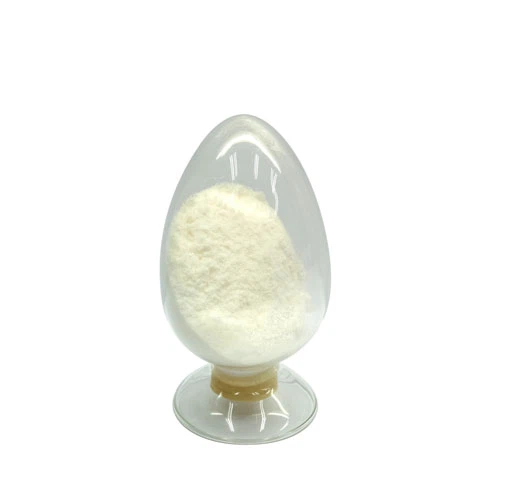
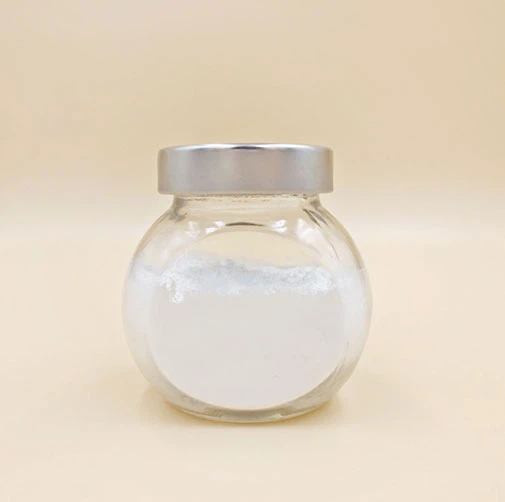
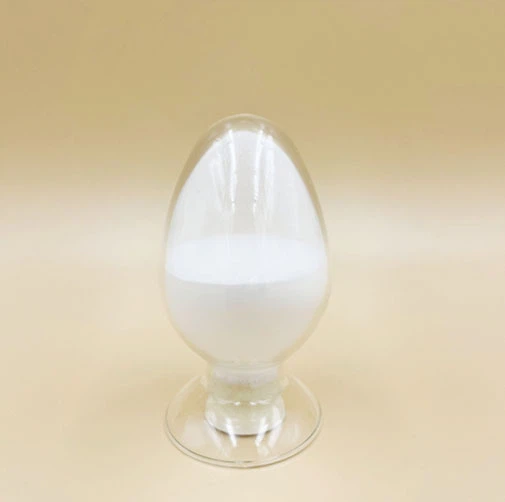
Decapeptide-23 is a synthetic decapeptide composed of seven specific amino acids: alanine, cysteine, phenylalanine, threonine, arginine, serine, and histidine. Its INCI name is Decapeptide-23, and its reference sequence is Ala-Cys-Phe-Thr-Arg-Thr-Ser-His-Ala-Cys. It appears as a white powder and typically maintains a purity level of ≥95%【1】【2】. The design of this sequence embodies a clear chemical logic:
Two cysteine residues: These form the molecule's core for "antioxidation and structural bonding." They participate in disulfide exchange reactions, helping to stabilize the keratin network within the stratum corneum.
One histidine residue: Featuring an imidazole ring, this residue can chelate free metal ions (such as Fe²⁺ and Cu²⁺). This inhibits the formation of hydroxyl radicals-a process driven by the Fenton reaction-while also playing a role in regulating enzymatic active sites.
One arginine residue: A key precursor amino acid for wound healing and the nitric oxide (NO) pathway, it supports cell migration and angiogenesis.
Phenylalanine, threonine, serine, and alanine: These provide hydrophobic anchors and a hydrogen-bonding network, which stabilize the conformation of the peptide chain and facilitate signal recognition by fibroblasts.
It is this specific arrangement of amino acids-combining the three functions of antioxidation, structural support, and signal regulation-that grants Decapeptide-23 remarkable, multi-pathway potential in the fields of skin repair and anti-aging.
II. Core Mechanism I: Antioxidation-Intercepting Oxidative Stress at the Source
Reactive oxygen species (ROS), induced by ultraviolet (UV) radiation and environmental pollutants, are the "common upstream culprits" behind skin aging. They not only cause direct damage to DNA and proteins but also activate matrix metalloproteinases (MMPs), thereby accelerating the degradation of collagen [3].
Through the thiol (-SH) group of its cysteine residues and the imidazole ring of its histidine residue, Decapeptide-23 forms a dual-core antioxidant unit:
The thiol group can directly scavenge peroxides and free radicals, functioning similarly to glutathione by facilitating electron transfer within redox cycles [4].
The imidazole ring chelates free metal ions, suppressing the Fenton reaction at its source and blocking the generation of highly destructive hydroxyl radicals [3]. This dual-action "clearance + chelation" antioxidant strategy enables Decapeptide-23 to intervene and intercept oxidative stress and photoaging at an early stage, securing a vital temporal window for subsequent cellular repair processes.
III. Core Mechanism II: Structure and Barrier-"Molecular Rivets" Supporting the Keratin Network
The skin's physical barrier fundamentally relies on a dense network of keratin fibers within the stratum corneum, cross-linked by disulfide bonds. Cysteine is the sole amino acid capable of forming these disulfide bonds (-S-S-); its abundance directly determines the structural resilience of the stratum corneum [4].
Decapeptide-23 contains two cysteine residues that can participate in the cross-linking and repair of the keratin network through disulfide exchange reactions-acting much like "molecular rivets" driven into a loose "brick wall." This mechanism offers three key clinical benefits:
Barrier Reinforcement: Provides structural support for a fragile stratum corneum, such as after chemical peels, laser treatments, or during periods of heightened sensitivity.
Texture Improvement: Enhanced cross-linking within the stratum corneum results in a smoother skin surface and increased light transmission (translucency).
Reduction of Transepidermal Water Loss (TEWL): Improved barrier integrity directly leads to superior moisture retention.
IV. Core Mechanism III: Signaling Peptide Properties-Activating Fibroblasts and ECM Remodeling
As a prototypical signaling peptide, Decapeptide-23 mimics the molecular fragments released during the degradation of the extracellular matrix (ECM), effectively signaling "dormant" fibroblasts to initiate tissue remodeling [5].
A review by Schagen, published in the journal *Cosmetics*, notes that the primary mechanism of signaling peptides involves stimulating fibroblast proliferation and the synthesis of type I and III collagen, elastin, fibronectin, and glycosaminoglycans. This process remodels the dermal matrix, enhances skin elasticity, and diminishes the appearance of fine lines [5].
Within the family of signaling peptides, those containing arginine and histidine are particularly effective at promoting fibroblast activity and angiogenesis (the formation of new blood vessels). Decapeptide-23 engages with the nitric oxide (NO) pathway and regulates cell migration-facilitated by its arginine residues-to support microangiogenesis. This process enhances the delivery of oxygen and nutrients to the dermis while accelerating the clearance of metabolic waste, thereby rejuvenating the skin from its foundational layers [5][6].
V. Efficacy Profile: A Four-Fold Approach to "Repair-Focused Anti-Aging"
Building upon the aforementioned mechanisms, Decapeptide-23 offers four core benefits in skincare applications:
1. Enhanced Skin Elasticity and Firmness
By stimulating fibroblasts to synthesize collagen and elastin, Decapeptide-23 reconstructs the "elastic scaffold" within the dermis. Long-term use significantly improves skin resilience and firmness, making it particularly well-suited for skin showing early signs of aging or a loss of elasticity [5].
2. Accelerated Skin Repair and Soothing
For skin recovering from aesthetic procedures (such as laser treatments, microneedling, or chemical peels), as well as skin with a compromised barrier or heightened sensitivity, Decapeptide-23 provides both antioxidant support and structural reinforcement. It helps shorten the re-epithelialization process and mitigates redness and post-inflammatory reactions, serving as an ideal active ingredient for post-procedure recovery and barrier restoration [5][6].
3. Synergistic Antioxidant and Photoprotective Action
As a water-soluble small peptide, Decapeptide-23 can be paired with antioxidants such as Vitamin C (and its derivatives), Vitamin E, and ferulic acid. Together, they create a comprehensive "water-soluble plus lipid-soluble" antioxidant matrix, further strengthening the skin's defense against photoaging [3][5].
4. Improvement of Roughness and Dullness
Through increased cross-linking within the stratum corneum and improved microcirculation, the skin's surface texture becomes smoother and more translucent, resulting in a healthier, more radiant complexion. VI. Safety Philosophy: Balancing Gentleness with Efficacy
The safety of Decapeptide-23 is anchored by a three-fold guarantee:
Biomimetic Nature: Composed entirely of amino acids that are essential to or commonly found in the human body, it offers high biocompatibility and does not trigger immune rejection.
Non-cytotoxicity: As a gentle signaling peptide, it exhibits no significant toxicity toward keratinocytes or fibroblasts within its effective concentration range.
Excellent Formulation Compatibility: Highly water-soluble and easily absorbed, it integrates seamlessly with common active ingredients-such as Vitamin C, niacinamide, retinol, and various peptide complexes-serving as a "foundational repair framework" within multi-ingredient systems.
For individuals with sensitive skin or a compromised skin barrier, as well as those seeking long-term, gentle anti-aging and skin maintenance, Decapeptide-23 provides a scientific, non-irritating, and non-dependency-forming solution suitable for sustained use【1】【5】.
VII. Application Scenarios and Formulation Recommendations
Typical applications for Decapeptide-23 in cosmetic formulations include:
Anti-aging Serums and Creams: Acting as a core signaling peptide, it can be combined with other peptides (such as Palmitoyl Pentapeptide-4 or Acetyl Hexapeptide-8) to create a multi-pathway anti-aging matrix.
Repair and Post-procedure Care: Paired with madecassoside, ceramides, or panthenol, it supports skin barrier repair and post-aesthetic treatment care.
Antioxidant Daytime Protection: Used in synergy with Vitamin C derivatives and niacinamide to build a daytime defense system focused on both antioxidant protection and skin repair.
Firming and Contouring Products: Targeted care for facial contours, as well as areas prone to laxity, such as the neck and hands.
Conclusion: Rebuilding Skin's "Elastic Memory" Through Molecular Intelligence
Truly exceptional anti-aging goes beyond superficial enhancement; it requires the reconstruction of both the dermal structure and cellular signaling pathways. With a four-in-one design philosophy-encompassing antioxidant protection, structural support, signal activation, and barrier reinforcement-Decapeptide-23 demonstrates the remarkable efficiency of biomimetic peptides in skin repair.
It reminds us that youthful skin is, in essence, an "elastic memory" that can be rebuilt. Choosing Decapeptide-23 means opting for a rational approach to skincare rooted in structural biology and signaling science-enabling every layer of the dermis to regain its original firmness and radiance, guided by precise molecular instructions.
References and Resources:
BOC Sciences. (2025). "Decapeptide-23 (BAT-016775) - Product Specification: Sequence Ala-Cys-Phe-Thr-Arg-Thr-Ser-His-Ala-Cys, White Powder, Purity ≥95%." BOC Sciences Cosmetic Peptides Product Data Sheet. (Confirms the amino acid sequence and purity specifications of Decapeptide-23, as well as its application in cosmetics as a conditioning agent, antioxidant, and anti-aging active ingredient.) [1]
Cosmetic Analysis Ingredient Database. (2025). "Decapeptide-23 - INCI Definition, Function: Skin Caring." Cosmeticanalysis.com. (EU cosmetic ingredient database; provides the official INCI definition of Decapeptide-23-composed of alanine, arginine, cysteine, histidine, phenylalanine, serine, and threonine-and classifies its function as skin conditioning.) [2]
Kubglomsong, S., et al. (2018). "Isolation and Identification of Tyrosinase-Inhibitory and Copper-Chelating Peptides from Hydrolyzed Proteins." *Journal of Agricultural and Food Chemistry*. (Demonstrates the molecular basis by which peptides containing histidine and cysteine residues inhibit the Fenton reaction through metal-ion chelation, providing a scientific rationale for the antioxidant pathway of Decapeptide-23.) [3]
Pickart, L., & Margolina, A. (2018). "Skin Regenerative and Anti-Cancer Actions of Copper Tripeptide GHK." *Cosmetics*, 5(1), 13. (Provides a systematic overview of the unique mechanisms of cysteine-containing peptides-including disulfide bond exchange, keratin cross-linking, collagen synthesis, and cell migration-offering theoretical support for the structural and barrier-supporting functions of Decapeptide-23.) [4]
Schagen, S. K. (2017). "Topical Peptide Treatments with Effective Anti-Aging Results." *Cosmetics*, 4(2), 16. (A key review article that systematically outlines the molecular mechanisms by which signaling peptides activate fibroblasts, promote the synthesis of collagen, elastin, glycosaminoglycans, and fibronectin, and enhance skin elasticity and firmness; it also validates the clinical efficacy of the relevant peptides.) [5]
Lintner, K., & Peschard, O. (2000). "Biologically active peptides: from a lab bench curiosity to a functional skin care product." *International Journal of Cosmetic Science*, 22(3), 207-218. (A classic review article that provides a comprehensive account of the diverse applications of functional peptides in cell signaling, wound healing, angiogenesis, and anti-aging; it serves as a taxonomic basis for classifying Decapeptide-23 as a reparative signaling peptide.) [6]
1:Where to buy bulk Decapeptide-23?
Send an inquiry email to us : sales@gihichem.com
Our professional team will reply to you within 6 hours.
2:What will you get from gihi chemicals except higher quality products?
Gihi Chemicals Co.,Limited, is a professional manufacturer with
3strong research and development lab centers + 4 standardized production workshops,with ISO9001 & FDA certificate & CE certificates.
Except the high quality product, your team will get the following 4 support:
1): Factory direct sales, China's lower price, free sample is available.
2): COA, TDS, SDS and other testing spectrum are available at any time.
3):ISO9001, FDA, CE certificate, 3 labs and 4 factories, to insure the higher quality.
4): Large quantity in stock, prompt delivery from warehouse, 24h professional service.
3:Why Choose gihi chemicals for Your trustful supplier?
●Extensive Selection: Our 3 labs and 4 factories ensure every year, we could produce more than 100 new chemical structures every year.
●GMP-Compliant Facilities: Our 4 professional factories comply with strict GMP (Good Manufacturing Practice) guidelines, ensuring the highest quality and safety standards throughout production.
●Rigorous Certifications: All ingredients are certified with HACCP, ISO, FDA,CE certificates.
●Competitive Wholesale Prices: Enjoy cost-effective pricing without compromising on quality.
●Customizable Solutions: OEM and ODM services are available. Tailor your ingredient blends to your specific needs and target clients.
●Expert Technical Support: Our expert team is here to answer your questions and guide you through the selection process.
●Quicker Delivery: We ensure smooth and timely delivery to your desired destination anywhere.