






I. The Basic Concept of NAD+
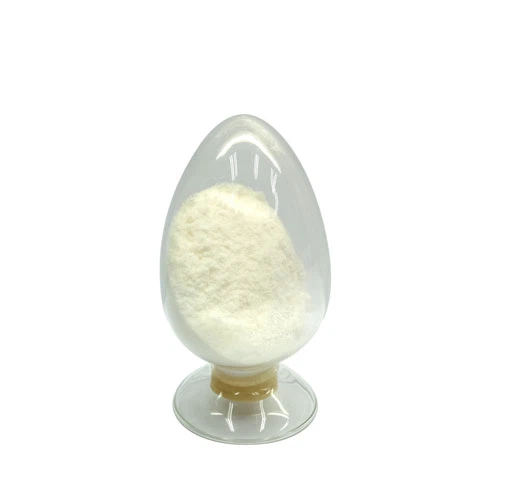
NAD+, full name Nicotinamide Adenine Dinucleotide, is a key coenzyme present in all living cells. NAD+ plays multiple roles in cells and is an indispensable participant in many biochemical processes, including energy metabolism, gene expression regulation, cell signaling, and maintaining the stability of the intracellular environment.
The chemical structure of NAD+ consists of three main parts: a niacin (also known as nicotinic acid, belonging to the vitamin B3 family), an adenine (a nitrogenous base), and a sugar phosphate backbone consisting of two ribose molecules and three phosphate groups. The two ribose molecules are connected by a phosphodiester bond to form a dinucleotide structure.
II. Efficacy of NAD+ as a Dietary Supplement
1. Improve energy metabolism
NAD+ is a key substance in mitochondrial energy metabolism. [2]It can promote the oxidative phosphorylation process of nutrients such as glucose and fatty acids in mitochondria, thereby producing ATP (adenosine triphosphate) to provide energy for cells. Supplementing NAD+ helps improve mitochondrial function, enhance energy metabolism, and relieve fatigue.
2. Anti-aging
Studies have shown that NAD+ has a significant effect on anti-aging. By increasing NAD+ levels, the longevity protein Sirtuins can be activated, thereby delaying cell aging, protecting mitochondrial function, and maintaining genome stability. In addition, NAD+ can also promote cell autophagy, remove senescent cells, and maintain the normal function of tissues and organs.[3]
3. Protect cardiovascular system
NAD+ has a protective effect on the cardiovascular system. Supplementing NAD+ can reduce oxidative stress, reduce endothelial damage, and improve vasodilation. [4]At the same time, NAD+ can also regulate blood lipids and reduce the risk of atherosclerosis.
4. Improve nervous system function
NAD+ plays an important role in the nervous system. Supplementing NAD+ can increase the energy level in nerve cells, improve nerve signal transmission, and improve cognitive function. In addition, NAD+ can promote the proliferation of neural stem cells and repair damaged nerve tissue.[5]
5. Enhance immunity
NAD+ also plays an important role in the immune system. Supplementing NAD+ can improve the function of immune cells, enhance the body's resistance, and prevent infection.[6]
III. Summary
In summary, β-nicotinamide adenine dinucleotide disodium salt hydrate (NAD+) as a dietary supplement has multiple functions such as improving energy metabolism, anti-aging, cardiovascular protection, improving nervous system function, and enhancing immunity. Appropriate supplementation of NAD+ can help enhance vitality and maintain physical health. However, it should be noted that NAD+ supplements are not omnipotent. A reasonable diet and maintaining good living habits are the cornerstones of health. When choosing NAD+ supplements, please follow professional guidance to ensure safety and effectiveness.
References
Molecule of the Week Archive: Nicotinamide adenine dinucleotide. The American Chemical Society (ACS). [2024-08-22].
Amjad S, Nisar S, Bhat AA, Shah AR, Frenneaux MP, Fakhro K, Haris M, Reddy R, Patay Z, Baur J, Bagga P. Role of NAD+ in regulating cellular and metabolic signaling pathways. Mol Metab. 2021 Jul;49:101195. doi: 10.1016/j.molmet.2021.101195. Epub 2021 Feb 17. PMID: 33609766; PMCID: PMC7973386.
Covarrubias AJ, Perrone R, Grozio A, Verdin E. NAD+ metabolism and its roles in cellular processes during ageing. Nat Rev Mol Cell Biol. 2021 Feb;22(2):119-141. doi: 10.1038/s41580-020-00313-x. Epub 2020 Dec 22. PMID: 33353981; PMCID: PMC7963035.
Abdellatif M, Bugger H, Kroemer G, et al. NAD+ and vascular dysfunction: from mechanisms to therapeutic opportunities[J]. Journal of Lipid and Atherosclerosis, 2022, 11(2): 111.
Zhao Y, Zhang J, Zheng Y, Zhang Y, Zhang XJ, Wang H, Du Y, Guan J, Wang X, Fu J. NAD+ improves cognitive function and reduces neuroinflammation by ameliorating mitochondrial damage and decreasing ROS production in chronic cerebral hypoperfusion models through Sirt1/PGC-1α pathway. J Neuroinflammation. 2021 Sep 16;18(1):207. doi: 10.1186/s12974-021-02250-8. PMID: 34530866; PMCID: PMC8444613.
Shang J, Smith MR, Anmangandla A, Lin H. NAD+-consuming enzymes in immune defense against viral infection. Biochem J. 2021 Dec 10;478(23):4071-4092. doi: 10.1042/BCJ20210181. Erratum in: Biochem J. 2022 Mar 18;479(5):581-582. doi: 10.1042/BCJ-2021-0181C_COR. PMID: 34871367; PMCID: PMC8718269.
Disclaimer: The above texts are all from scientific research literature and the Internet and have not been evaluated by national authoritative agencies. This article is not intended to diagnose, treat, cure or prevent any disease. If there is any infringement or misunderstanding, please contact us to delete it.