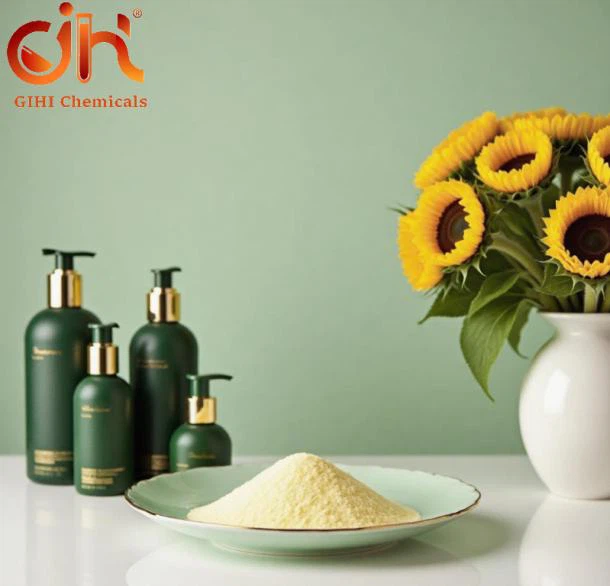

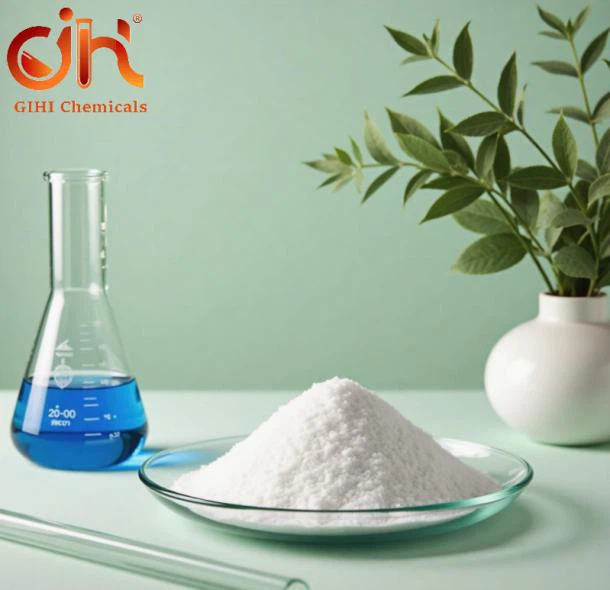
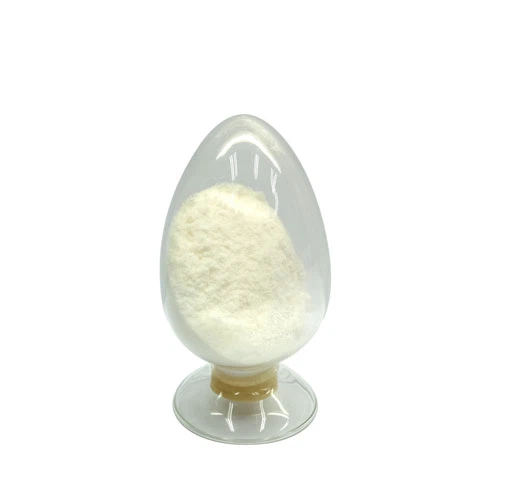
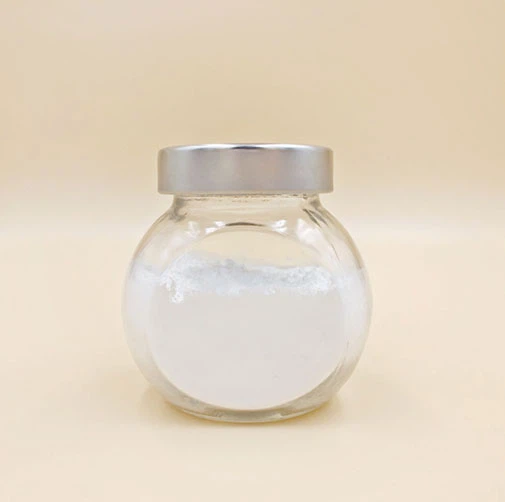

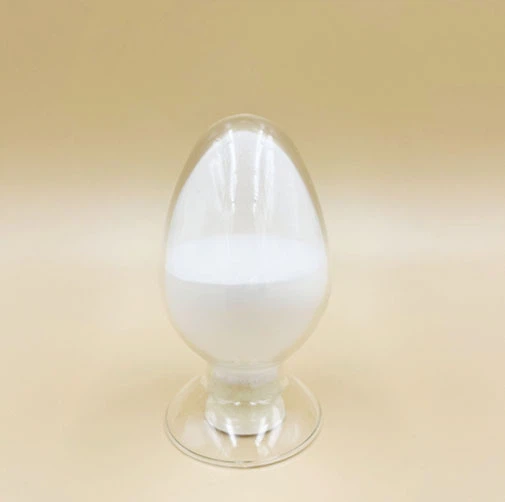
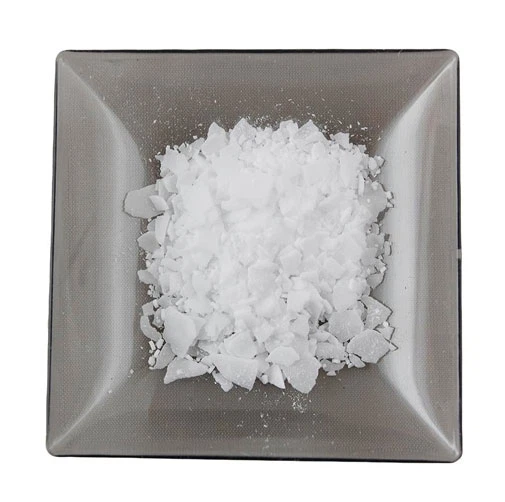
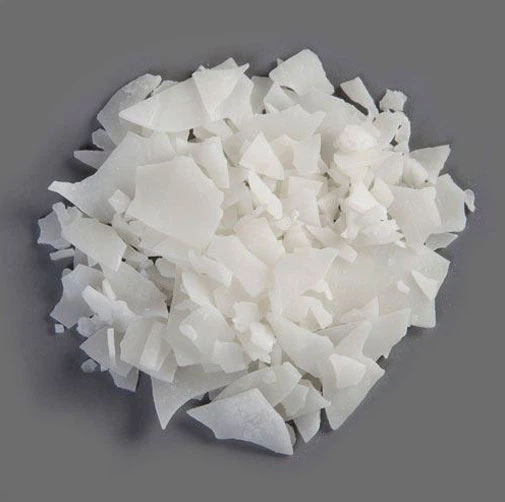

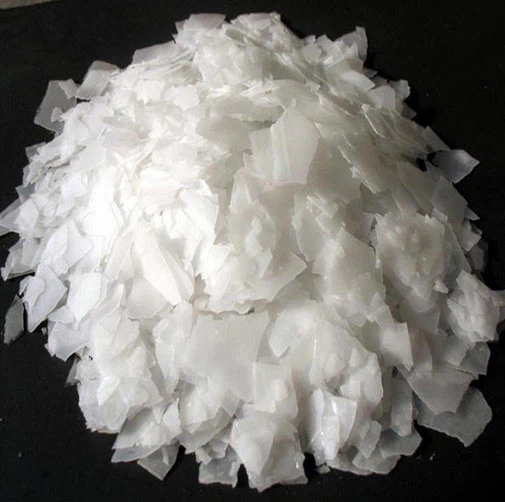
Palmitoylethanolamide (PEA) is an endogenous fatty acid amide belonging to the N-acylethanolamine (NAE) class of signaling molecules. It plays a role in a variety of biological functions, including anti-inflammatory, analgesic and neuroprotective. PEA exerts its pharmacological effects by activating peroxisome proliferator-activated receptor alpha (PPAR-α) and possibly indirectly activating the cannabinoid receptor system.
Regarding the clinical study of PEA, several studies have shown that it has a significant relief effect on chronic pain. For example, in a study of lower back pain or sciatic nerve pain, either 600 mg or 300 mg of PEA per day showed greater efficacy than placebo, with higher doses (600 mg) having a more significant effect. In addition, another multicentre randomized controlled trial also showed that PEA was effective in reducing chronic pain caused by different pathological conditions, and its effects were independent of the patient's age or gender.
In addition to pain management, PEA is also being studied for the treatment of depression and other psychiatric disorders. A randomized, double-blind controlled trial found that PEA, as an adjuvant antidepressant therapy, significantly improved patients' Hamilton Depression Scale (HAM-D) scores without significant side effects. These studies support the promise of PEA as a potential anti-inflammatory and neuroprotective agent in a variety of health problems.
Palmitoylethanolamide (PEA) has attracted attention due to its broad bioactivity and potential for clinical applications. Although the current study results indicate significant efficacy, more high-quality studies are needed to further validate its efficacy and safety.
1:Where to buy bulk PEA/CAS No.544-31-0?
Send an inquiry email to us :sales@gihichem.com
Our professional team will reply to you within 6 hours.
2:What will you get from gihi chemicals except higher quality products?
Gihi Chemicals Co.,Limited, is a professional manufacturer with
3strong research and development lab centers + 4 standardized production workshops,with ISO9001 & FDA certificate & CE certificates.
Except the high quality product, your team will get the following 4 support:
1): Factory direct sales, China's lower price, free sample is available.
2): COA, TDS, SDS and other testing spectrum are available at any time.
3):ISO9001, FDA, CE certificate, 3 labs and 4 factories, to insure the higher quality.
4): Large quantity in stock, prompt delivery from warehouse, 24h professional service.
3:Why Choose gihi chemicals for Your trustful supplier?
●Extensive Selection: Our 3 labs and 4 factories ensure every year, we could produce more than 100 new chemical structures every year.
●GMP-Compliant Facilities: Our 4 professional factories comply with strict GMP (Good Manufacturing Practice) guidelines, ensuring the highest quality and safety standards throughout production.
●Rigorous Certifications: All ingredients are certified with HACCP, ISO, FDA,CE certificates.
●Competitive Wholesale Prices: Enjoy cost-effective pricing without compromising on quality.
●Customizable Solutions: OEM and ODM services are available. Tailor your ingredient blends to your specific needs and target clients.
●Expert Technical Support: Our expert team is here to answer your questions and guide you through the selection process.
●Quicker Delivery: We ensure smooth and timely delivery to your desired destination anywhere.