

















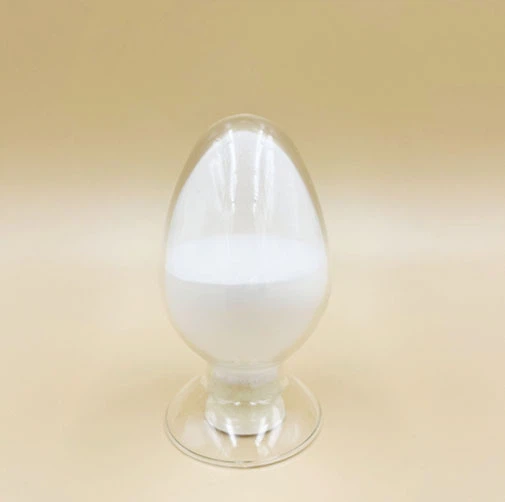
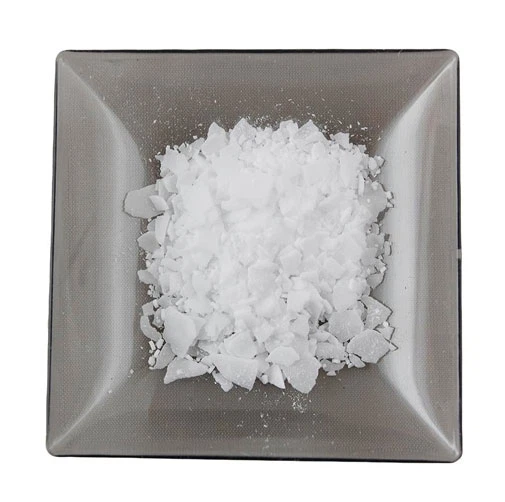
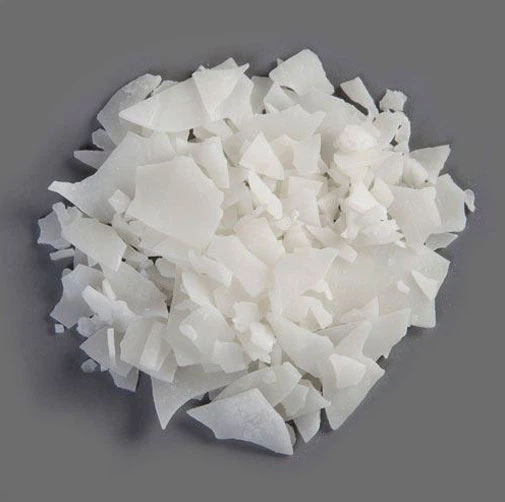


I. What is R-(+)-Alpha Lipoic Acid?
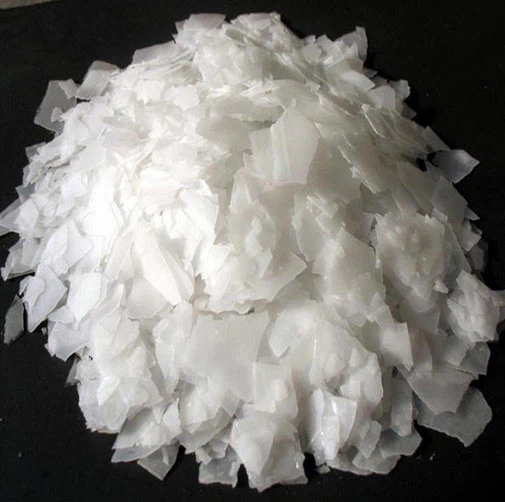
R-(+)-Alpha Lipoic Acid, referred to as R-ALA, is a naturally occurring antioxidant with significant biological activity. It is prevalent in every cell of the body, especially in mitochondria, and plays an important role in energy metabolism. The uniqueness of R-ALA is that it can work in both aqueous and lipid environments, thereby fully protecting cells from oxidative stress.
II. The Difference Between R-(+)-Alpha Lipoic Acid and Alpha-Lipoic Acid (ALA)
Alpha-Lipoic Acid (ALA) usually refers to the mixed stereoisomers of α-Lipoic Acid, including R-Alpha Lipoic Acid (R-ALA) and (S)-(-)-α-Lipoic Acid. Although these two isomers are mirror-symmetrical in chemical structure, they have significant differences in biological activity.
Difference in Biological Activity:
As the active form of ALA, R-ALA has significantly higher bioavailability and potency than the mixed isomers of ALA. Studies have shown that R-ALA is more efficiently absorbed and effective in the body, so it can more effectively play its health-promoting role.
Difference in Metabolic Pathways:
R-ALA has a more specific metabolic pathway in the body, which allows it to reach and act on target cells and tissues more accurately. In contrast, the mixed isomers of ALA may produce different effects during metabolism, which may reduce the overall biological activity. Therefore, the unique metabolic pathway of R-ALA is the key to its health benefits.
III The Unique Effects of R-(+)-Alpha Lipoic Acid
1.Powerful Antioxidant Capacity
R-ALA is a unique antioxidant that can work both inside and outside the cell, neutralize free radicals, and protect cells from oxidative stress. Unlike other antioxidants, R-ALA can regenerate other antioxidants, such as vitamins C and E, thereby enhancing the entire antioxidant defense system.[1][2]
2.Enhance Insulin Sensitivity
R-ALA is unique in that it can significantly improve insulin sensitivity, which is especially important for diabetic patients and people with insulin resistance. Studies have shown that R-ALA can help lower blood sugar levels and improve glucose tolerance, thereby helping to prevent and treat diabetes.[3]
3.Neuroprotective Effect
R-ALA's protective effect on the nervous system is another highlight. It can cross the blood-brain barrier and act directly in nerve cells, reducing nerve cell damage and increasing nerve conduction velocity. It has a certain auxiliary therapeutic effect on neurodegenerative diseases such as Alzheimer's disease and Parkinson's disease.[4]
4.Anti-inflammatory and Immunomodulatory
R-ALA has anti-inflammatory properties, which can reduce the production of inflammatory mediators and reduce inflammatory responses. At the same time, it can also regulate the balance of the immune system and enhance the body's immune defense capabilities.[5]
5.Weight Management
Studies have shown that R-ALA may help with weight management. It can help lose weight by increasing metabolic rate and reducing fat accumulation, especially for reducing abdominal fat. [6]
IV. Summary
In the process of in-depth exploration of R-(+)-Alpha Lipoic Acid (R-ALA), we found that this highly effective dietary supplement brings a variety of health benefits. I hope this information can provide you with valuable guidance and reference when choosing a supplement that suits you. However, we must emphasize that although R-ALA has many positive effects on health, the intake must be moderate. Overuse of any supplement can have adverse consequences, so always follow the guidance of a professional and the recommended dosage when supplementing.
Hagen TM, Vinarsky V, Wehr CM, Ames BN. (R)-alpha-lipoic acid reverses the age-associated increase in susceptibility of hepatocytes to tert-butylhydroperoxide both in vitro and in vivo. Antioxid Redox Signal. 2000 Fall;2(3):473-83.
Hagen TM, Ingersoll RT, Lykkesfeldt J, et al. (R)-alpha-lipoic acid-supplemented old rats have improved mitochondrial function, decreased oxidative damage, and increased metabolic rate. FASEB J. 1999 Feb;13(2):411-8.
Jacob S, Rues P, Hermann R. Oral administration of RAC-alpha-lipoic acid modulates insulin sensitivity in patients with type-2 diabetes mellitus: a placebo-controlled pilot trial. Free Rad Biol Med. 1999 Aug;27(3-4):309-14.
Wolz P, Krieglstein J. Neuroprotective effects of alpha-lipoic acid and its enantiomers demonstrated in rodent models of focal cerebral ischemia. Neuropharmacology. 1996 Mar; 35(3):369-75.
Zimmer G, Beikler TK, Schneider M, et al. Dose/response curves of lipoic acid R- and S-forms in the working rat heart during reoxygenation: superiority of the R-enantiomer in enhancement of aortic flow. J Mol Cell Cardiol. 1995 Sep;27(9):1895-903.
Androne L, Gavan NA, Veresiu IA, Orasan R. In vivo effect of lipoic acid on lipid peroxidation in patients with diabetic neuropathy. In Vivo. 2000 Mar-Apr;14(2): 327-30.
Disclaimer: The above texts are all from scientific research literature and the Internet and have not been evaluated by national authoritative agencies. This article is not intended to diagnose, treat, cure or prevent any disease. If there is any infringement or misunderstanding, please contact us to delete it. Thank you.