









Revitalizing Hair Follicle Vitality: Acetyl Tetrapeptide-3, Scientifically Addressing "Hair Loss Anxiety"

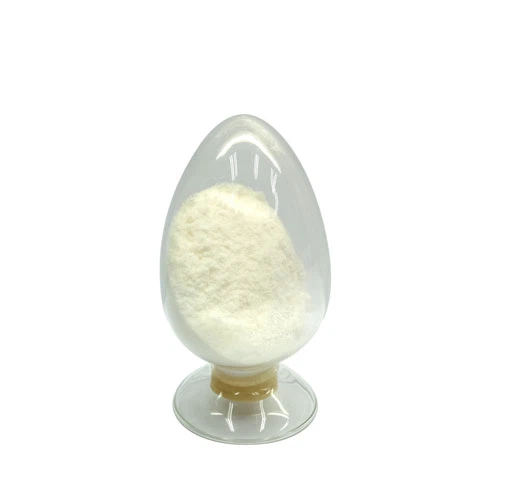
Faced with increasingly severe hair loss and receding hairlines, traditional plant essential oils often only treat the symptoms, not the root cause. Acetyl Tetrapeptide-3, as a cutting-edge anti-aging active peptide, is becoming a "dark horse" in modern scalp microecology anti-aging with its core technology of precisely targeting hair follicles.
The core efficacy of Acetyl Tetrapeptide-3 lies in its direct action on the "soil" of hair growth-the dermis. Studies have shown that it can effectively stimulate the production of key proteins (such as laminin and collagen) in the extracellular matrix (ECM) surrounding hair follicles [1]. This is like rebuilding a strong "bed" for atrophied hair follicles, firmly fixing them in place, and effectively combating the miniaturization and loosening of hair follicles caused by aging and hormones.
Simultaneously, it can promote the formation of microvessels around hair follicles, improve scalp blood circulation, and deliver more nutrients to the hair papilla, thereby significantly increasing hair density and diameter, making fine and soft hair stronger and fuller [2]. Compared with traditional ingredients that are highly irritating and easily cause scalp discomfort, acetyl tetrapeptide-3 has extremely small molecules, high biocompatibility, and is gentle and non-addictive, making it a boon for sensitive scalps.
Choosing acetyl tetrapeptide-3 means choosing to strengthen hair roots with modern peptide technology. It repairs the microenvironment of hair follicles from the source, allowing each hair strand to regain the power of vigorous growth.
1:Where to buy bulk Acetyl Tetrapeptide-3,CAS No.827306-88-7?
Send an inquiry email to us :sales@gihichem.com
Our professional team will reply to you within 6 hours.
2:What will you get from gihi chemicals except higher quality products?
Gihi Chemicals Co.,Limited, is a professional manufacturer with
3strong research and development lab centers + 4 standardized production workshops,with ISO9001 & FDA certificate & CE certificates.
Except the high quality product, your team will get the following 4 support:
1): Factory direct sales, China's lower price, free sample is available.
2): COA, TDS, SDS and other testing spectrum are available at any time.
3):ISO9001, FDA, CE certificate, 3 labs and 4 factories, to insure the higher quality.
4): Large quantity in stock, prompt delivery from warehouse, 24h professional service.
3:Why Choose gihi chemicals for Your trustful supplier?
●Extensive Selection: Our 3 labs and 4 factories ensure every year, we could produce more than 100 new chemical structures every year.
●GMP-Compliant Facilities: Our 4 professional factories comply with strict GMP (Good Manufacturing Practice) guidelines, ensuring the highest quality and safety standards throughout production.
●Rigorous Certifications: All ingredients are certified with HACCP, ISO, FDA,CE certificates.
●Competitive Wholesale Prices: Enjoy cost-effective pricing without compromising on quality.
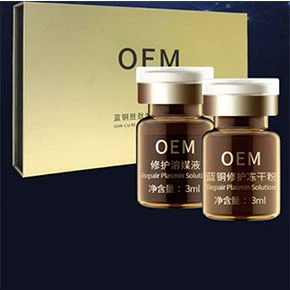
●Customizable Solutions: OEM and ODM services are available. Tailor your ingredient blends to your specific needs and target clients.
●Expert Technical Support: Our expert team is here to answer your questions and guide you through the selection process.
●Quicker Delivery: We ensure smooth and timely delivery to your desired destination anywhere.
References and materials:
1.Lintner, K., & Mas-Chamberlin, C. (2004). "Stimulation of extracellular matrix macromolecules by a synthetic tetrapeptide." International Journal of Cosmetic Science, 26(3), 193-199. (Demonstrates the mechanism of specific peptides in stimulating laminin and collagen production in the dermal matrix).
2.Bahta, A. W., et al. (2008). "Human hair follicle dermal papilla cells: interactions and extracellular matrix components." Experimental Dermatology, 17(10), 857-864. (Provides scientific basis for how enhancing extracellular matrix and microvasculature around the dermal papilla directly increases hair follicle density and shaft diameter).