














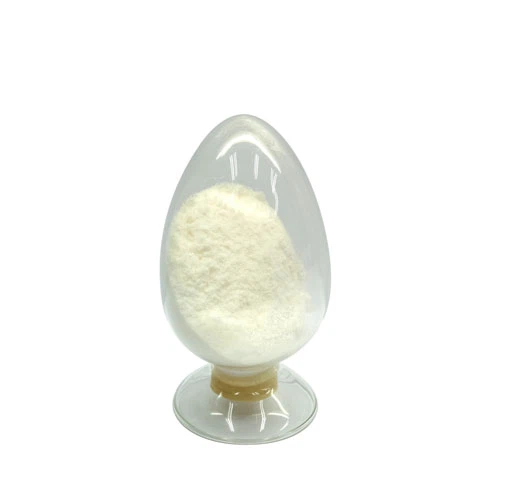
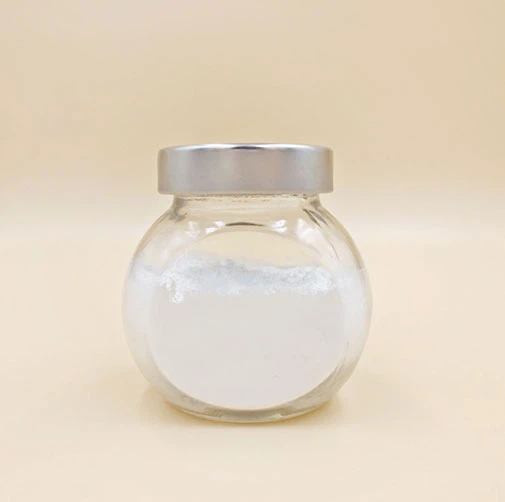

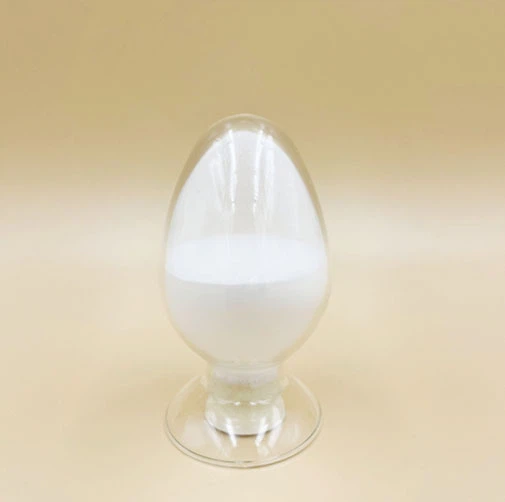
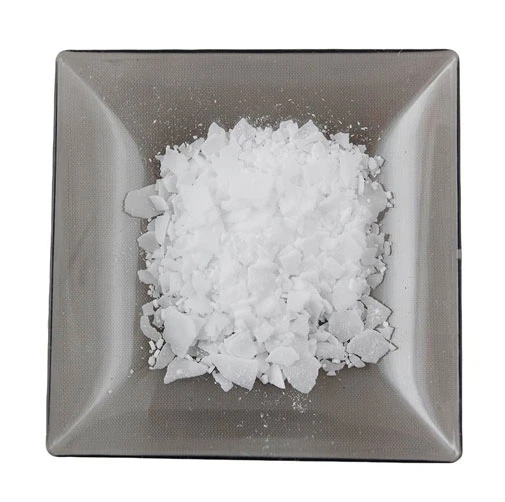

Acetyl Tetrapeptide-15: A "Comfort-Inducing Molecular Switch" for the Neuro-Immune Dialogue-Reshaping the Tolerance Threshold of Sensitive Skin via the μ-Opioid Receptor

In this era of precision-oriented functional skincare, a widely overlooked yet profoundly significant truth is being increasingly validated by the scientific community: the stinging, redness, and burning sensations characteristic of sensitive skin are, at their core, a "neurogenic inflammatory storm" ignited by the interplay between nerve endings and immune cells. When skin sensory nerve endings perceive external triggers-such as ultraviolet radiation, chemical exfoliation, aesthetic procedures, environmental pollution, or even temperature fluctuations-as "invaders," they release a surge of neuropeptides (e.g., CGRP, Substance P). These, in turn, activate keratinocytes and mast cells, triggering a cascade of pro-inflammatory factors like IL-6, IL-8, and TNF-α, which manifest visibly as erythema (redness), edema (swelling), and stinging sensations.
To address this challenge, conventional soothing ingredients often act merely to "extinguish the fire" downstream, failing to intercept the inflammatory storm at its source. In contrast, Acetyl Tetrapeptide-15-an N-terminal acetylated tetrapeptide composed of tyrosine, proline, phenylalanine, and phenylalaninamide (sequence: Ac-Tyr-Pro-Phe-Phe-NH₂; CAS 928007-64-1; trade name: Skinasensyl™)-leverages a unique regulatory mechanism involving the μ-opioid receptor. By modulating both the nervous and immune pathways, it offers a novel approach to sensitive skin care, earning its reputation as one of the most promising "neuro-cosmetic" agents in modern skincare technology.
I. Molecular Origins: Biomimetic Wisdom Inspired by Endorphins
The design of Acetyl Tetrapeptide-15 draws inspiration from an endogenous human neuropeptide: endorphin-2. Endorphin-2 is an endogenous agonist of the μ-opioid receptor, playing a pivotal role in pain regulation and emotional soothing. By binding to μ-opioid receptors on the surface of nerve endings, it activates downstream analgesic signaling pathways and suppresses neuronal hyperexcitability, thereby reducing the transmission of pain signals.
Using a biomimetic approach, scientists have "translated" the key tetrapeptide sequence responsible for the analgesic activity of Endorphin-2 into a small molecule capable of direct transdermal absorption. Its stability and skin affinity are further enhanced through N-terminal acetylation. This design is highly strategic: the μ-opioid receptor acts as a "master switch" for regulating pain and inflammation within the cutaneous nervous system. By intervening at this specific point, it becomes possible to quell both inflammation and "neural storms" at the very inception of the signaling cascade.
Notably, Acetyl Tetrapeptide-15 is engineered to bypass the central nervous system (CNS) effects associated with Endorphin-2, retaining only its peripheral analgesic activity. This allows it to deliver the soothing benefits of endorphins without any risk of CNS-related side effects or addiction-making it a truly "highly effective, non-addictive" biomimetic molecule.
II. Core Mechanism: Regulation of the μ-Opioid Receptor-Silencing Neural Storms at the Source
The primary mechanism of Acetyl Tetrapeptide-15 lies in its role as a highly selective agonist for the μ-opioid receptor, mimicking the analgesic function of Endorphin-2. Upon binding to the μ-opioid receptor, it triggers two complementary soothing pathways:
1. Inhibition of CGRP release, blocking neurogenic inflammation
CGRP (calcitonin gene-related peptide) is a key neuropeptide involved in cutaneous neurogenic inflammation. When released from sensory nerve endings in the skin, it triggers mast cell degranulation, vasodilation, and plasma extravasation, resulting in visible erythema (redness) and edema (swelling). Acetyl Tetrapeptide-15 significantly inhibits the activation of TRPV1 (transient receptor potential vanilloid subtype 1) channels by activating μ-opioid receptors, thereby reducing the release of CGRP.
In an *in vitro* sensory neuron model, researchers stimulated neurons using capsaicin (a TRPV1 agonist) and potassium chloride (KCl, a depolarizing agent). The results demonstrated that Acetyl Tetrapeptide-15 at a concentration of 0.001% markedly reduced CGRP release-an effect surpassing that of 10 μM capsazepine (a TRPV1 antagonist) and comparable to that of 100 μM verapamil (a calcium channel blocker). These data clearly attest to its exceptional efficacy in regulating neurogenic inflammation.
2. Activation of endogenous analgesic pathways to increase skin tolerance thresholds
The activation of μ-opioid receptors not only inhibits CGRP but also reduces the phosphorylation of adenylyl cyclase (AC) by protein kinase A (PKA), which further suppresses the sensitivity of TRPV1 channels. This effectively raises the "excitation threshold" of nerve endings, significantly decreasing the skin's reactivity to external stimuli.
Clinically, a split-face, single-blind study confirmed that the use of a formulation containing Acetyl Tetrapeptide-15 significantly increases the skin's tolerance threshold. It notably reduces reactivity to common irritants-such as lactic acid and capsaicin-and alleviates subjective discomfort (stinging, burning, and tightness). This mechanism allows the peptide to go beyond merely "extinguishing the fire" after it starts; it can "prevent the storm" before it occurs, representing a paradigm shift from "treatment" to "prevention."
III. Clinical Evidence: Comprehensive Validation from *In Vitro* to *In Vivo*
The clinical evidence supporting Acetyl Tetrapeptide-15 constitutes its most compelling aspect. 1. In Vitro Studies: Significant Inhibition of CGRP Release
In models of sensory neurons, Acetyl Tetrapeptide-15 demonstrates a dose-dependent inhibitory effect on CGRP release. At a concentration of 0.001%, it significantly reduces CGRP release triggered by both capsaicin and KCl-outperforming the positive control, Capsazepine. These in vitro data provide a robust pharmacological foundation for its clinical application.
2. Clinical Studies: Enhanced Skin Tolerance and Reduced Subjective Discomfort
In a clinical study involving individuals with sensitive skin, the application of a formula containing Acetyl Tetrapeptide-15 resulted in a marked decrease in skin reactivity to irritants such as lactic acid and capsaicin. Furthermore, subjects reported a significant reduction in subjective discomfort, including stinging, burning, and a sensation of tightness. These findings confirm the efficacy of Acetyl Tetrapeptide-15 in real-world clinical settings.
3. Formulation Compatibility: Synergistic Effects with Soothing Ingredients
Acetyl Tetrapeptide-15 exhibits excellent formulation compatibility. It can be combined with classic soothing agents-such as bisabolol, dipotassium glycyrrhizate, ceramides, and panthenol-to create a multi-pathway "sensitive skin repair matrix." This makes it particularly well-suited for the long-term care of skin with a compromised barrier that is prone to redness and stinging.
IV. Efficacy Dimensions: Comprehensive, Full-Cycle Care-From Immediate Soothing to Long-Term Stabilization
Leveraging the aforementioned mechanisms, Acetyl Tetrapeptide-15 delivers four core benefits in skincare applications:
1. Immediate Soothing: Rapid Calming of Nerve Endings
For acute episodes of stinging, burning, or redness-such as those following chemical exfoliation, sun exposure, or aesthetic procedures-Acetyl Tetrapeptide-15 can rapidly calm nerve endings. It serves as an ideal active ingredient for "emergency relief" serums and post-procedure repair masks designed for sensitive skin. 2. Long-term Stabilization: Raising the Threshold for Skin Reactivity
By continuously modulating μ-opioid receptor signaling, the threshold at which the skin reacts to external stimuli is gradually elevated. This significantly reduces the frequency of sensitivity flare-ups, making it ideal for gentle, long-term maintenance and stabilization.
3. Barrier Protection: Supporting the Reconstruction of the Stratum Corneum
By inhibiting inflammation-induced, ongoing damage to keratinocytes, Acetyl Tetrapeptide-15 creates a favorable microenvironment for barrier repair. It accelerates the physical reconstruction of a compromised barrier and reduces Transepidermal Water Loss (TEWL).
4. Synergistic Anti-inflammatory Action: Establishing a Foundation for "Comfort-Focused Skincare"
With its gentle peptide nature and anti-inflammatory properties, it can be combined synergistically with classic soothing ingredients-such as ceramides, panthenol, asiaticoside, and bisabolol-to build a multi-pathway "repair matrix for sensitive skin." It is particularly well-suited for long-term use on skin with a fragile barrier that is prone to redness and stinging.
V. Safety Philosophy: A Scientific Synthesis of Gentleness and Efficacy
The safety profile of Acetyl Tetrapeptide-15 is built upon three pillars:
Biomimetic Nature: Its sequence is derived from the peripherally active fragment of human endogenous endorphin-2. It boasts high biocompatibility and does not trigger immune rejection or cytotoxicity.
Non-destructive Mechanism: It mitigates inflammation through "signal modulation" rather than "cellular suppression," ensuring that the skin's intrinsic defense and repair functions remain fully intact.
No Risk of Addiction: It acts exclusively on peripheral μ-opioid receptors and does not cross the blood-brain barrier, posing no risk of central nervous system addiction or dependency.
For those with skin prone to stinging, compromised barriers, individuals in the recovery phase following aesthetic procedures, or consumers who embrace a philosophy of long-term "comfort-focused skincare," Acetyl Tetrapeptide-15 offers a scientific solution that is suitable for daily use, carries no risk of dependency, and presents no danger of "rebound" effects. VI. Application Scenarios and Formulation Recommendations
Typical applications for Acetyl Tetrapeptide-15 include:
Serums and creams for sensitive skin: Serving as a core soothing peptide, it works synergistically with ceramides, panthenol, and bisabolol to build a barrier-repair system.
Post-aesthetic procedure care: Used following laser treatments, intense pulsed light (IPL) therapy, or microneedling to accelerate the reduction of redness and the reconstruction of the skin barrier.
Companion for chemical exfoliants (acid treatments): Paired with AHAs or salicylic acid to significantly mitigate irritation caused by these agents.
Anti-aging products: Combined with retinol or a matrix of other peptides to alleviate initial irritation from retinol and improve user compliance.
Soothing mists and facial masks: Acting as an immediate-action soothing agent to rapidly calm sudden episodes of skin sensitivity.
The recommended usage concentration is 0.001%–0.0015%, with an optimal formulation pH range of 3–5; it is highly compatible with a wide variety of formulation systems.
Conclusion: Returning Skincare to Its Essence of Comfort
Truly exceptional skincare should never require a compromise between "efficacy" and "gentleness." By leveraging the biomimetic intelligence of endorphin-2, Acetyl Tetrapeptide-15 achieves a "calming effect" through the dual regulation of μ-opioid receptors and the TRPV1 pathway-turning every skincare application into a comfortable dialogue with the skin.
It teaches us that caring for sensitive skin is not about "layering on" heavy protection, but rather about "gently soothing" the neuro-immune signals. Choosing Acetyl Tetrapeptide-15 means opting for a rational approach to skincare-one rooted in receptor biology and clinical evidence-where stinging, burning, and redness quietly dissipate under the influence of precise molecular signals, allowing comfort, resilience, and radiance to flourish through gentle, nurturing care.
References andResources:
Resende, D. I. S. P., Ferreira, M. S., Sousa-Lobo, J. M., Sousa, E., & Almeida, I. F. (2021). "Usage of Synthetic Peptides in Cosmetics for Sensitive Skin." Pharmaceutics, 13(8), 702. (A key review article that systematically outlines the mechanism by which Acetyl Tetrapeptide-15 regulates μ-opioid receptors; in vitro studies on CGRP inhibition-showing that a 0.001% concentration significantly reduces CGRP release, outperforming Capsaicin-and empirical data from single-blind clinical studies demonstrating improved skin tolerance.)
BOC Sciences. (2026). "Acetyl Tetrapeptide-15 - CAS 928007-64-1: Sequence, Properties and Applications." Product Technical Data Sheet. (A technical document for the raw material, confirming the amino acid sequence of Acetyl Tetrapeptide-15 (Ac-Tyr-Pro-Phe-Phe-NH₂), its physicochemical properties (CAS No. 928007-64-1), and its application in skincare as an anti-allergic, anti-inflammatory, and anti-irritation active ingredient.)
Cosmetic Ingredients Guide. (2026). "Acetyl Tetrapeptide-15: A Neuro-Cosmeceutical Soothing Agent." Technical Article. (A technical article detailing the core mechanism of action for Acetyl Tetrapeptide-15: binding to μ-opioid receptors, mimicking the sequence of endomorphin-2, and limiting the release of pro-inflammatory neuromediators such as CGRP. It further confirms its classification as a neuro-cosmeceutical soothing agent.)
MySkinRecipes. (2026). "Pep®-Sensyl (Acetyl Tetrapeptide-15): A Skin Desensitizing Peptide Derived from Endomorphin-2." Product Technical Description. (Technical document from a raw material supplier, confirming the skin-desensitizing effects of Acetyl Tetrapeptide-15-a peptide sequence derived from Endorphin-2, a μ-opioid agonist.)
Moumoujus. (2026). "Tetrapeptide-15: Mechanism, Efficacy and Formulation Guidelines." Technical Article. (A technical paper systematically detailing the mechanism of action of Acetyl Tetrapeptide-15, which involves activating μ-opioid receptors, inhibiting TRPV1 responses, and downregulating CGRP release. It further outlines the peptide's multifaceted benefits-including the improvement of epidermal barrier homeostasis, as well as anti-allergic and anti-inflammatory effects-and specifies a recommended usage concentration of 0.001%–0.0015%.)
1:Where to buy bulk Acetyl Tetrapeptide-15+CAS No. 928007-64-1?
Send an inquiry email to us : sales@gihichem.com
Our professional team will reply to you within 6 hours.
2:What will you get from gihi chemicals except higher quality products?
Gihi Chemicals Co.,Limited, is a professional manufacturer with
3strong research and development lab centers + 4 standardized production workshops,with ISO9001 & FDA certificate & CE certificates.
Except the high quality product, your team will get the following 4 support:
1): Factory direct sales, China's lower price, free sample is available.
2): COA, TDS, SDS and other testing spectrum are available at any time.
3):ISO9001, FDA, CE certificate, 3 labs and 4 factories, to insure the higher quality.
4): Large quantity in stock, prompt delivery from warehouse, 24h professional service.
3:Why Choose gihi chemicals for Your trustful supplier?
●Extensive Selection: Our 3 labs and 4 factories ensure every year, we could produce more than 100 new chemical structures every year.
●GMP-Compliant Facilities: Our 4 professional factories comply with strict GMP (Good Manufacturing Practice) guidelines, ensuring the highest quality and safety standards throughout production.
●Rigorous Certifications: All ingredients are certified with HACCP, ISO, FDA,CE certificates.
●Competitive Wholesale Prices: Enjoy cost-effective pricing without compromising on quality.
●Customizable Solutions: OEM and ODM services are available. Tailor your ingredient blends to your specific needs and target clients.
●Expert Technical Support: Our expert team is here to answer your questions and guide you through the selection process.
●Quicker Delivery: We ensure smooth and timely delivery to your desired destination anywhere.