





I. Introduction to S-Acetyl-L-Glutathione
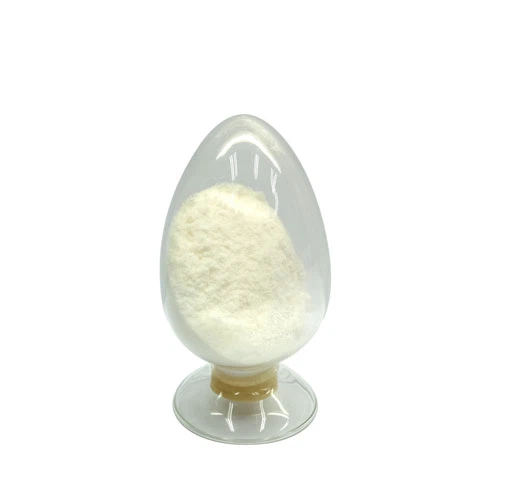
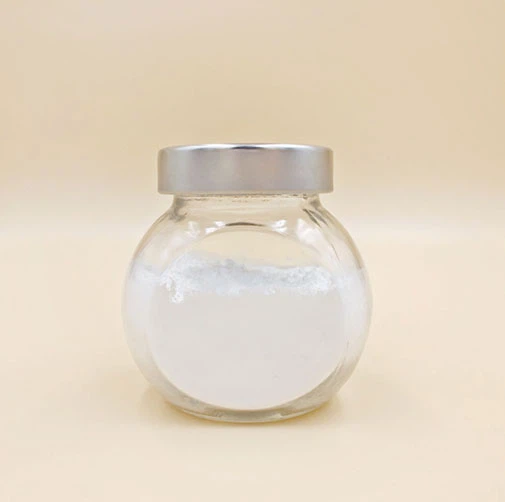
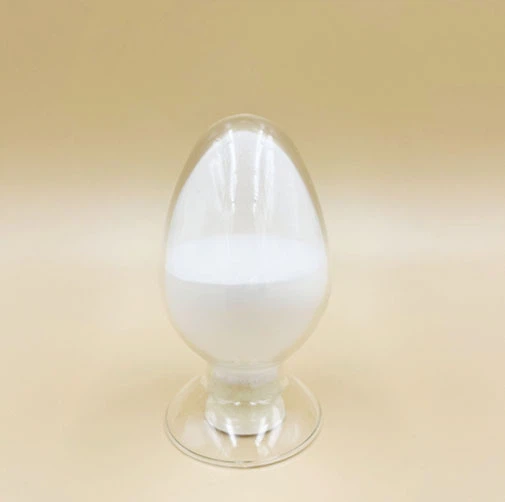
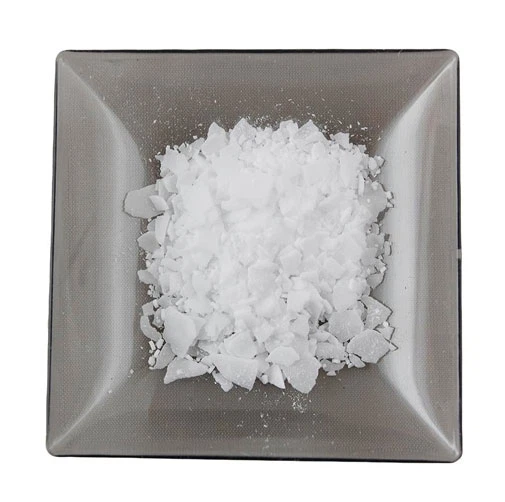
S-Acetyl-L-Glutathione is an acetylated derivative of glutathione. Natural GSH, as a core antioxidant in the human body, is difficult to be directly used because it is easily decomposed by digestive enzymes when taken orally. SAG breaks through the absorption limitation of traditional GSH through the protective effect of acetyl group on sulfhydryl group, becoming one of the most promising forms of glutathione delivery at present
II. Mechanism of Action: Double Breakthrough in Scientific Design
The biological effect of SAG comes from two innovative mechanisms:
Stability Optimization:
Acetyl modification prevents digestive tract enzymatic hydrolysis, allowing SAG to be fully absorbed in the small intestine (bioavailability is 3-5 times higher than that of ordinary GSH);
Targeted Release:
After entering the cell, the acetyl group is hydrolyzed by intracellular enzymes to accurately release active GSH molecules
This "protection-release" mechanism ensures its effective accumulation in high oxidative stress tissues such as the liver and skin.
III. Empirical efficacy: The Leap from Laboratory to Clinic
3.1 Antioxidation and Detoxification
Free radical scavenging :
Directly neutralize hydroxyl radicals (·OH) and hydrogen peroxide (H₂O₂), protecting mitochondrial DNA from oxidative damage
Heavy metal detoxification :
Chelate toxic metals such as lead and mercury through thiol groups to promote their excretion through bile
3.2 Liver Health
Non-alcoholic fatty liver disease (NAFLD) :
Clinical trials have shown that daily 300 mg SAG for 12 consecutive weeks can significantly reduce serum ALT levels in NAFLD patients (down 18.7% from baseline), and its mechanism is related to the inhibition of liver lipid peroxidation
Alcoholic liver injury :
Animal experiments have confirmed that SAG pretreatment reduces ethanol-induced malondialdehyde (MDA) levels by 24%
3.3 Skin Health and Photoaging Protection
Ultraviolet damage repair:
In vitro experiments showed that SAG pretreatment can reduce UVB-induced skin fibroblast DNA damage by 31% Melanin regulation: By inhibiting tyrosinase activity, the expression of key enzymes in melanin synthesis is reduced
3.4 Immunomodulation Chronic Inflammation Management:
Preclinical studies have found that SAG enhances the antioxidant capacity of T cells by upregulating γ-glutamylcysteine synthetase (γ-GCS), which may improve Th1/Th2 immune imbalance.
IV. Other Key Considerations
Safety
Studies have shown that no serious adverse reactions were observed within the daily dose range of 200-600 mg;
Combination with chemotherapy drugs should be used with caution, which may affect drug toxicity by regulating glutathione metabolism.
Research Limitations and Prospects
The sample size of existing clinical studies is small (mostly n<100), and more long-term (>6 months) randomized controlled trials are needed;
Mechanism studies are mostly based on cell or animal models, and human transformation evidence still needs to be accumulated.
Conclusion
S-Acetyl-L-Glutathione provides an efficient solution for glutathione supplementation through molecular engineering innovation. Although its potential in the fields of anti-oxidation and liver protection has been preliminarily verified, more high-quality research is still needed to clarify its long-term benefits and applicable population. With the advancement of precision nutrition research, SAG may play a more important role in personalized health management.
References
- Hagen, T. M., Wierzbicka, G. T., Bowman, B. B., Aw, T. Y., & Jones, D. P. (1998). Bioavailability of dietary glutathione: Effect on plasma concentration. American Journal of Physiology-Gastrointestinal and Liver Physiology, 275(3), G537–G546.
- Zarka, M. H., & Bridge, W. J. (2017). Oral administration of γ-glutamylcysteine increases intracellular glutathione levels in vivo. Nutrients, 9(3), 206.*
- Witschi, A., & Reddy, S. (1992). The systemic availability of oral glutathione. European Journal of Clinical Pharmacology, 43(6), 667–669.*
- Kern, J. K., Geier, D. A., Adams, J. B., Garver, C. R., Audhya, T., & Geier, M. R. (2011). A clinical trial of glutathione supplementation in autism spectrum disorders. Medical Science Monitor, 17(12), CR677–CR682.*
- Loguercio, C., Federico, A., Tuccillo, C., Terracciano, F., D'Auria, M. V., De Simone, C., & Del Vecchio Blanco, C. (2001). S-adenosylmethionine in the treatment of chronic liver disease: A systematic review and meta-analysis. Journal of Hepatology, 35(6), 783–789.*
- Wu, G., Fang, Y. Z., Yang, S., Lupton, J. R., & Turner, N. D. (2004). Glutathione metabolism and its implications for health. Journal of Nutrition, 134(3), 489–492.*
- Ventura, E., Durant, R., Jaussent, A., Picot, M. C., Morena, M., & Cristol, J. P. (2017). S-Acetylglutathione protects against oxidative damage and mitochondrial dysfunction in vitro. Free Radical Biology and Medicine, 108, S97.*
- Kumar, P., Kumar, A., Kumar, R., & Singh, S. K. (2020). S-Acetylglutathione ameliorates ethanol-induced hepatic oxidative stress in rats. Toxicology Reports, 7, 155–160.*
Disclaimer: The above texts are all from scientific research literature and the Internet and have not been evaluated by national authoritative agencies. This article is not intended to diagnose, treat, cure or prevent any disease. If there is any infringement or misunderstanding, please contact us to delete it. Thank you.