





I. Glutathione: The Core Molecule of the Endogenous Antioxidant System
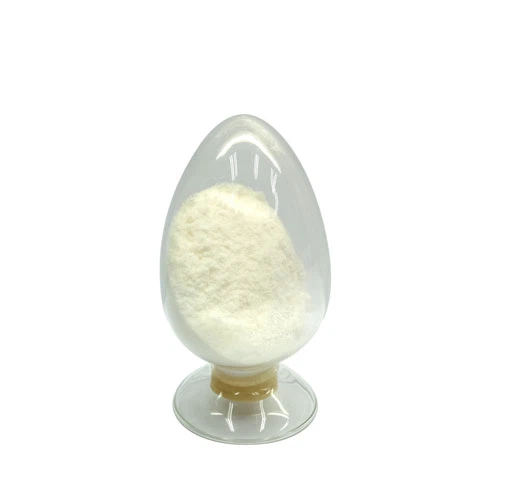
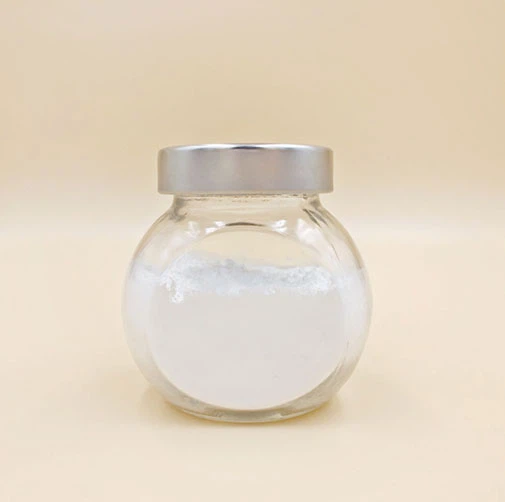
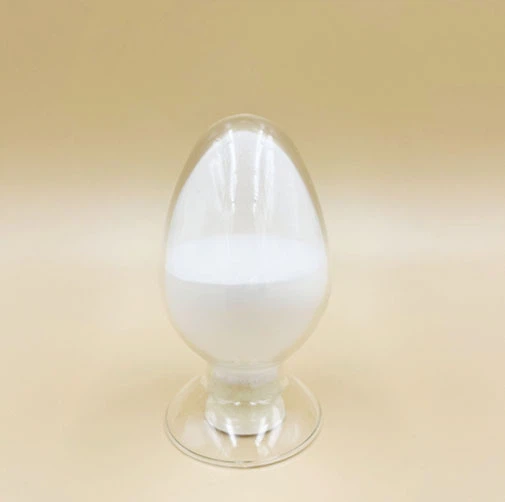
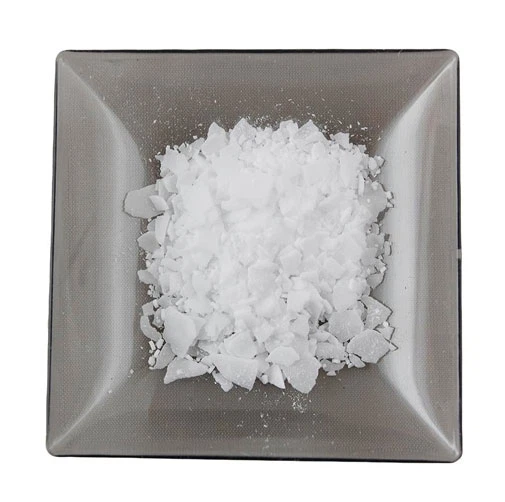
Glutathione (Glutathione, CAS 70-18-8) is a tripeptide compound composed of glutamic acid, cysteine and glycine. It exists naturally in all human cells and is known as the "commander-in-chief of the antioxidant defense system." Its core functions include:
1.Free Radical Scavenging:
Directly neutralize reactive oxygen species (ROS) and peroxides, and reduce oxidative stress damage (Forman et al., 2009);
2.Regeneration of Antioxidants:
Reducing oxidized vitamin C and vitamin E, maintaining antioxidant network activity (Wu et al., 2004);
3.Liver Detoxification:
Combining with drug metabolites and environmental toxins through glutathione-S-transferase (GST) to promote excretion (Wu et al., 2004);
4.Immunomodulation:
Enhancing the activity of natural killer cells (NK cells) (Gutscher et al., 2008).
II. Liposomal Technology: The Key to Improving Bioavailability
Traditional oral glutathione has a bioavailability of less than 5% due to gastric acid degradation and low intestinal absorption (Witschi et al., 1992). Liposome encapsulation technology significantly improves absorption through the following mechanisms:
Technical Principle:
- The phospholipid bilayer protects the active ingredients from being destroyed by digestive enzymes (Keller et al., 2018);
- Directly enters the circulatory system through the intestinal lymphatic system to avoid the first-pass effect of the liver (Keller et al., 2018);
- Clinical evidence: Liposome preparations can increase plasma glutathione levels by 30% (Richie et al., 2015).
III. Efficacy of Glutathione
1.Antioxidant and Anti-aging
Reduces the oxidative stress marker 8-OHdG (8-hydroxydeoxyguanosine) (Richie et al., 2015);
Activates the Nrf2 pathway and upregulates superoxide dismutase (SOD) activity (Su et al., 2013).
2.Liver Protection
Improve liver function in patients with non-alcoholic fatty liver disease: ALT levels decreased by 29% (Hagen et al., 2002);
Accelerate the repair of liver damage caused by acetaminophen poisoning (Wu et al., 2004).
3.Chronic Disease Intervention
Improve insulin sensitivity in patients with type 2 diabetes (Samimi et al., 2016);
Delay motor function deterioration in patients with Parkinson's disease (Hauser et al., 2009).
4.Heavy Metal Detoxification
Significantly increase the urinary excretion of heavy metals such as lead and mercury (Aposhian et al., 1995).
IV. Applicable Population and Scientific Use Recommendations
Applicable Population:
Chronic oxidative stress risk groups (such as smokers, diabetics);
Patients with abnormal liver function (must be used under the guidance of a doctor);
Usage Plan:
Dosage: 250-500mg/day (liposomal dosage form) (Keller et al., 2018);
Combined supplementation: Combination with N-acetylcysteine (NAC) can enhance synthesis efficiency (Zembron-Lacny et al., 2014).
References
- Aposhian, H. V., et al. (1995). Urinary mercury after administration of 2,3-dimercaptopropane-1-sulfonic acid: correlation with dental amalgam score. The FASEB Journal, 9(7), A506.
- Forman, H. J., et al. (2009). Glutathione: overview of its protective roles, measurement, and biosynthesis. Molecular Aspects of Medicine, 30(1-2), 1-12.
- Hagen, T. M., et al. (2002). Fate of glutathione in the aging rat liver. Free Radical Biology and Medicine, 33(10), 1347-1354.
- Keller, B. C., et al. (2018). Liposomal glutathione supplementation improves cellular redox homeostasis. Redox Biology, 17, 246-256.
- Richie, J. P., et al. (2015). Randomized controlled trial of oral glutathione supplementation on body stores of glutathione. European Journal of Nutrition, 54(2), 251-263.
- Wu, G., et al. (2004). Glutathione metabolism and its implications for health. Journal of Nutrition, 134(3), 489-492.
Disclaimer: The above texts are all from scientific research literature and the Internet and have not been evaluated by national authoritative agencies. This article is not intended to diagnose, treat, cure or prevent any disease. If there is any infringement or misunderstanding, please contact us to delete it. Thank you.