



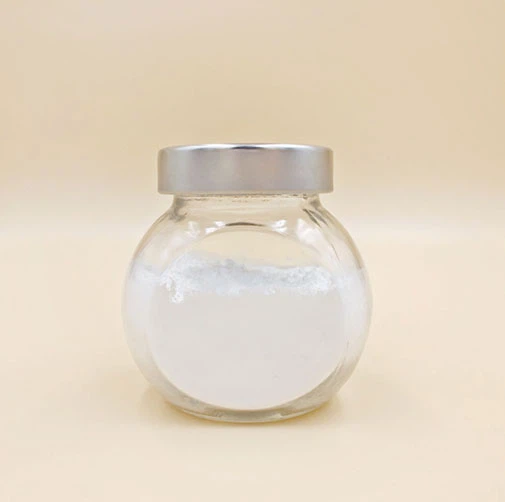

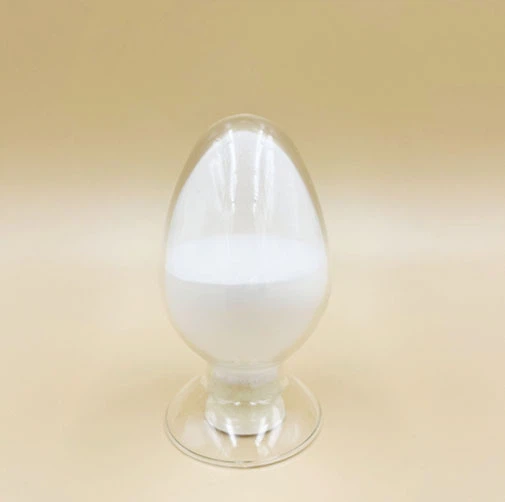
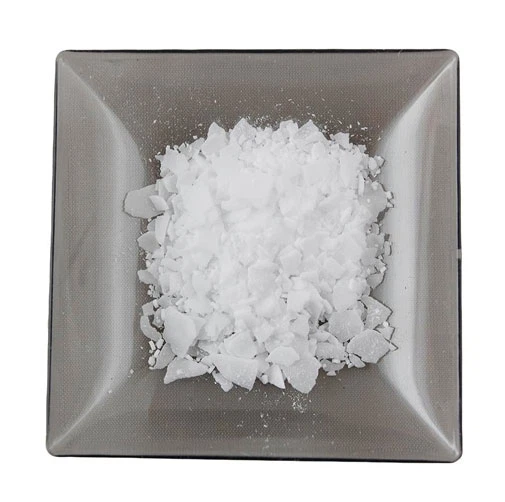
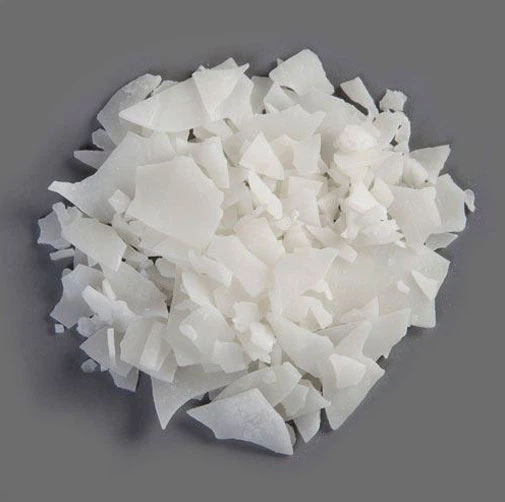


Isorhamnetin: The Guardian of Natural Flavonoids
Introduction to Isorhamnetin
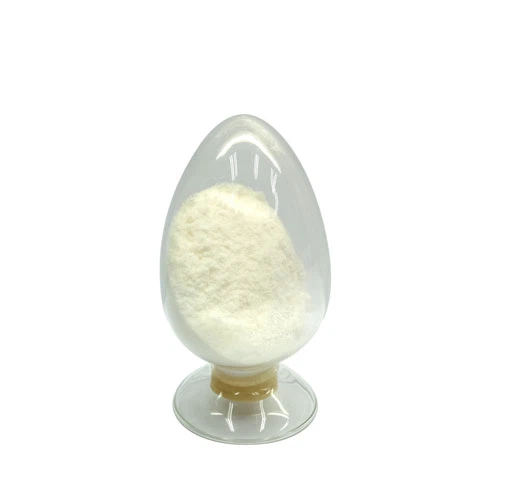
Isorhamnetin is a natural flavonoid compound from plants such as seabuckthorn, which has attracted much attention for its wide range of health benefits. It not only has strong antioxidant and anti-inflammatory properties, but also shows significant effects in antiviral and cardiovascular protection, making it a popular choice in the modern health field.
Efficacy
Anti-inflammatory
First of all, isorhamnetin is known for its strong antioxidant capacity. It can effectively fight free radicals and help the body resist damage caused by oxidative stress. In addition, many studies have revealed its potential in anti-inflammatory. For example, one study showed that isorhamnetin can significantly reduce inflammatory responses by activating the Nrf2 signaling pathway. At the same time, it has also been found that it may inhibit the inflammatory amplification effect caused by influenza virus through specific signaling pathways (such as RIG-I/JNK) [2], providing a new direction for thinking about respiratory health.
Protect cardiovascular system
Secondly, the role of isorhamnetin in cardiovascular protection cannot be ignored. It can dilate coronary arteries, increase blood flow, and inhibit platelet aggregation, which helps prevent cardiovascular disease. These properties make it an important ingredient for maintaining heart health.
Anti-cancer potential
In addition, isorhamnetin also has certain anti-cancer potential. In the study of lung cancer and other diseases, isorhamnetin has shown the potential to inhibit the growth of cancer cells, providing a new research direction for cancer treatment.
Due to its many health benefits, isorhamnetin has become a popular ingredient in health products and drug development. If you are looking for a natural, safe and effective health supplement, isorhamnetin is undoubtedly your best choice.
References
Jing Li, Yifan Xu, Zhiwei Lin, Lili Guan, Shuqi Chen, Luqian Zhou. Isorhamnetin inhibits amplification of influenza A H1N1 virus inflammation mediated by interferon via the RIG-I/JNK pathway. Annals of Translational Medicine.
Anti-inflammatory effects of isorhamnetin on LPS-stimulated human gingival fibroblasts by activating Nrf2 signaling pathway. AbleSci.