







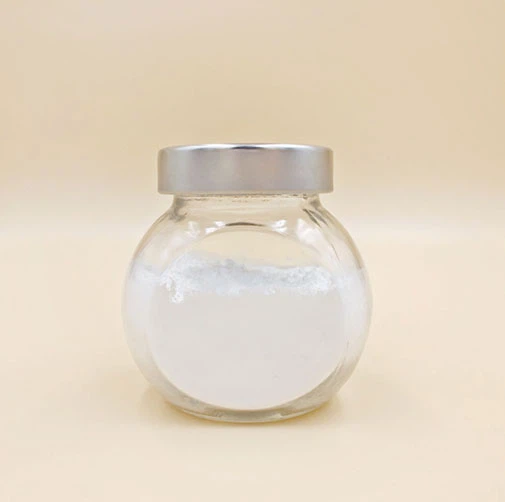

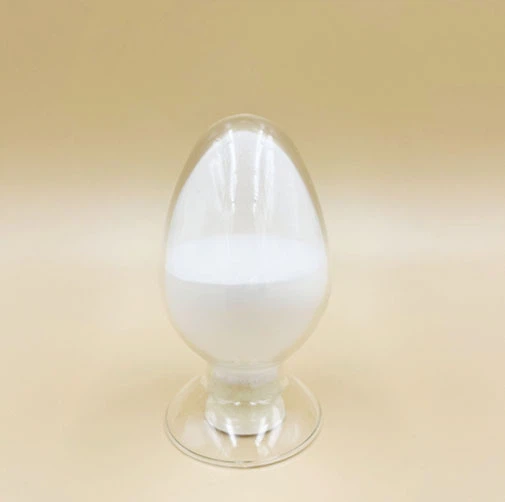
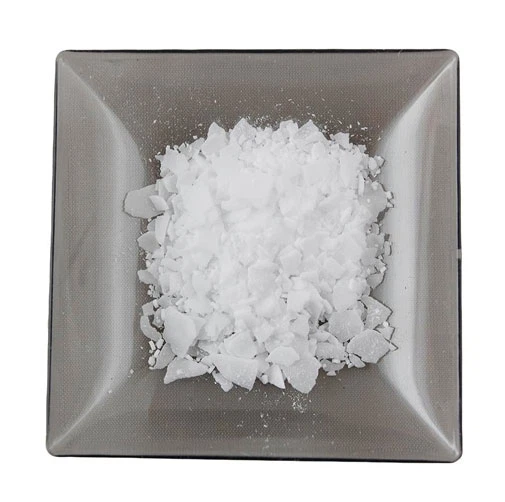
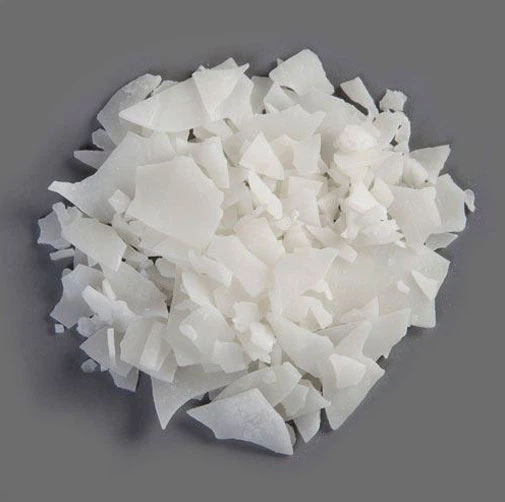


I. Overview of Oleylethanolamine
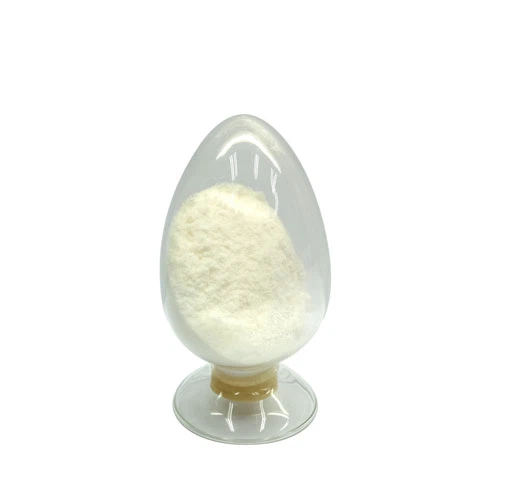
Oleylethanolamide (OEA for short) is a naturally occurring bioactive lipid belonging to the family of fatty ethanolamines. It plays a role in the brain, intestines and other tissues and is an important physiological regulator. [1] In recent years, with the in-depth study of OEA, its potential as a dietary supplement has gradually been discovered.
II. The Effect of Oleylethanolamine
1. Regulate appetite and control weight
Studies have found that oleylethanolamine can bind to receptors in the brain, thereby producing a sense of fullness and reducing food intake. [2]For people who want to control their weight, OEA is an ideal dietary supplement.
2. Improve Intestinal Health
The role of oleoylethanolamine in the intestine cannot be ignored. It can regulate intestinal peristalsis and improve constipation symptoms. At the same time, OEA can also maintain intestinal barrier function and prevent intestinal inflammation.[3]
3. Anti-inflammatory Effect
Oleoylethanolamine has a significant anti-inflammatory effect and can reduce inflammatory response in the body. This is of great significance for patients with chronic inflammatory diseases.[3]
4. Protect the Nervous System
Studies have shown that oleoylethanolamine has a protective effect on the nervous system. It can reduce brain inflammation, improve cognitive function, and prevent neurodegenerative diseases.[4]
5. Regulate Emotions and Improve Sleep
Oleoylethanolamine can affect the emotion regulation area in the brain, which helps to relieve emotional problems such as anxiety and depression. In addition, OEA can also improve sleep quality and improve life happiness.[5]
III. Recommendations for the Intake of Oleoylethanolamine
As a dietary supplement, the intake of oleoylethanolamine should be adjusted according to personal needs and physical condition. It is generally recommended that adults take 100mg-300mg per day. Please pay attention to the following matters during the use: 1. Take in moderation and avoid overdose; 2. Pregnant women, lactating women and patients with chronic diseases should consult a doctor before taking; 3. Follow professional guidance and use with other dietary supplements.
IV. Summary:
As an emerging dietary supplement, oleoylethanolamine provides strong support for people's healthy life with its unique efficacy. However, dietary supplements are not omnipotent, and maintaining good living habits and eating habits is still the cornerstone of health. While supplementing oleoylethanolamine, we also need to pay attention to overall health to truly achieve health and longevity.
Reference
- Sihag, J., Di Marzo, V. (Wh)olistic (E)ndocannabinoidome-Microbiome-Axis Modulation through (N)utrition (WHEN) to Curb Obesity and Related Disorders. Lipids Health Dis 21, 9 (2022). https://doi.org/10.1186/s12944-021-01609-3
- Piomelli, D. A fatty gut feeling. Trends Endocrinol. Metab. 2013, 24, 332–341. [Google Scholar] [CrossRef]
- Lama A, Provensi G, Amoriello R, et al. The anti-inflammatory and immune-modulatory effects of OEA limit DSS-induced colitis in mice[J]. Biomedicine & Pharmacotherapy, 2020, 129: 110368.
- Pérez-Martín E, Pérez-Revuelta L, Barahona-López C, Pérez-Boyero D, Alonso JR, Díaz D, Weruaga E. Oleoylethanolamide Treatment Modulates Both Neuroinflammation and Microgliosis, and Prevents Massive Leukocyte Infiltration to the Cerebellum in a Mouse Model of Neuronal Degeneration. Int J Mol Sci. 2023 Jun 2;24(11):9691. doi: 10.3390/ijms24119691. PMID: 37298639; PMCID: PMC10253688.
- Jin P, Yu H L, Zhang F, et al. Antidepressant-like effects of oleoylethanolamide in a mouse model of chronic unpredictable mild stress[J]. Pharmacology Biochemistry and Behavior, 2015, 133: 146-154.
Disclaimer: The above texts are all from scientific research literature and the Internet and have not been evaluated by national authoritative agencies. This article is not intended to diagnose, treat, cure or prevent any disease. If there is any infringement or misunderstanding, please contact us to delete it. Thank you.