




Salidroside, a precious plant active ingredient, has been used in traditional Chinese medicine for hundreds of years. It is known as the star ingredient of "plateau gold" and is highly sought after by the market for its complex effects such as anti-oxidation, anti-fatigue, and immune regulation. In recent years, it has attracted much attention due to its wide range of biological activities. With the advancement of production technology, salidroside with a purity of up to 98% has become a hot spot for research and application.
I.Traditional Dilemma: The "Scarcity Pain" of Salidroside
The preciousness of salidroside was once limited by the laws of nature:
Long growth cycle:
Wild rhodiola rosea takes 5-7 years to reach the medicinal standard, and over-exploitation leads to endangered resources;
Low extraction efficiency:
Traditional process extracts from plant rhizomes, and 1 ton of raw materials can only obtain less than 1 kg of salidroside;
Large quality fluctuations:
Differences in soil and climate lead to unstable ingredient content, affecting product standardization.
The hidden danger of residual organic solvents in chemical synthesis has become an entry barrier to the European, American, Japanese and Korean markets. The emergence of biological fermentation has brought a revolutionary breakthrough for the large-scale production of high-purity salidroside.
II.Biological Fermentation Method: The "Smart Productivity" of Cell Factories
Scientists have taken a different approach and implanted the synthesis code of salidroside into microbial cells to create a "24-hour fully automatic production line":
Gene blueprint analysis:
Locking the key enzyme gene for salidroside synthesis through metabolomics.
Engineering strain construction:
Introducing the synthesis path into yeast or Escherichia coli to optimize the fermentation efficiency.
Precision fermentation control:
Regulating temperature, PH, and dissolved oxygen in large bioreactors to promote the efficient expression of target components by strains.
Ultrafiltration purification technology:
Using membrane separation and chromatography technology, finally obtaining crystalline salidroside with a purity of ≥98%.
|
Dimension |
other production method: Plant Extraction |
gihichem Bio-fermentation 98% Salidroside |
|
Production cycle |
More than 5 years (planting + extraction) |
7-10 days (full fermentation) |
|
Purity control |
Depends on raw materials, large fluctuations |
Fully controllable, stable higher purity >98% |
|
Environmental impact |
Destroys the ecology, produces a lot of wastewater |
Zero plant consumption, carbon emissions reduced by 70% |
|
Cost effectiveness |
Raw materials account for more than 60% of whole price |
Price is only 20% of other methods, after large-scale production |
III.The "Super-Energy Characteristics" of 98% Fermented Salidroside
Biological fermentation not only breaks through the purity bottleneck, but also gives new possibilities to ingredients:
Molecular structure consistency:
NMR nuclear magnetic resonance verification shows that the 98% fermented salidroside obtained by fermentation is completely consistent with the structure of plant-derived salidroside.
Zero pesticide residues and heavy metals:
Closed production eliminates the risk of soil pollution.
High biological activity:
Cell experiments show that the activation efficiency of fermented ingredients on HIF-1α is increased by 12% (Biotechnology Journal2023).
|
Item |
Specification |
gihichem test Results |
|
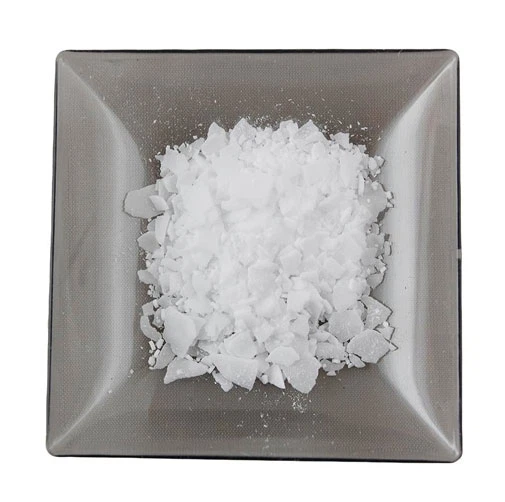
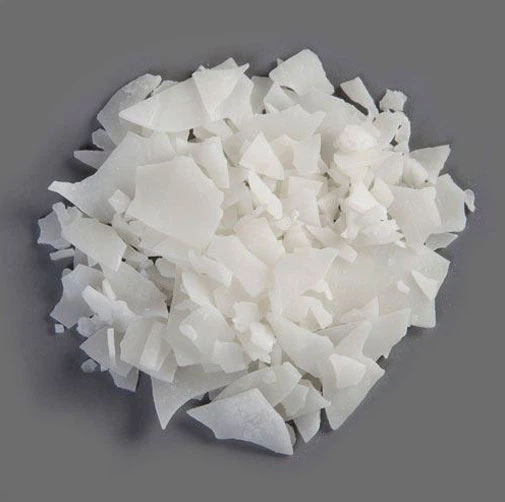
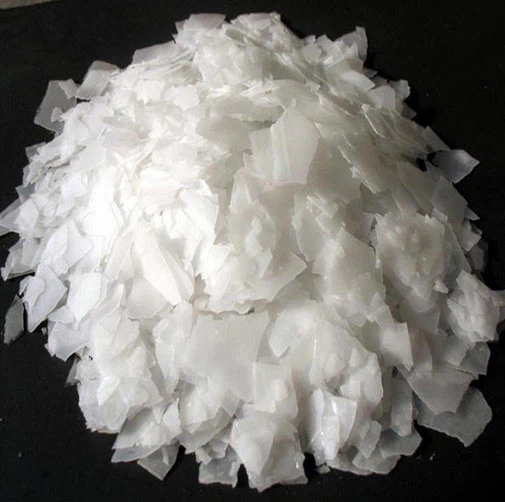
Appearance |
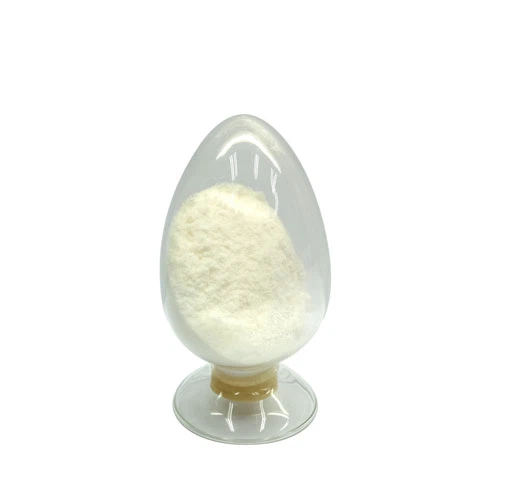
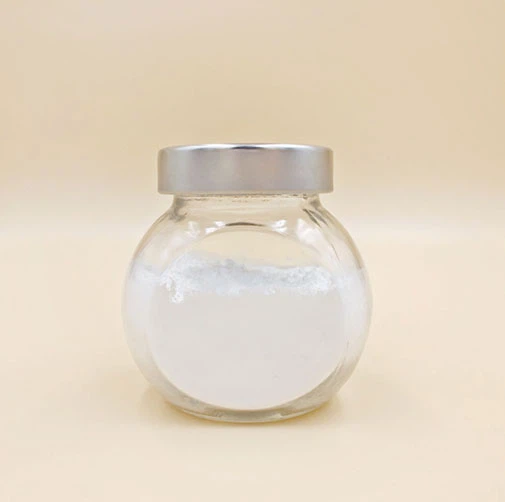
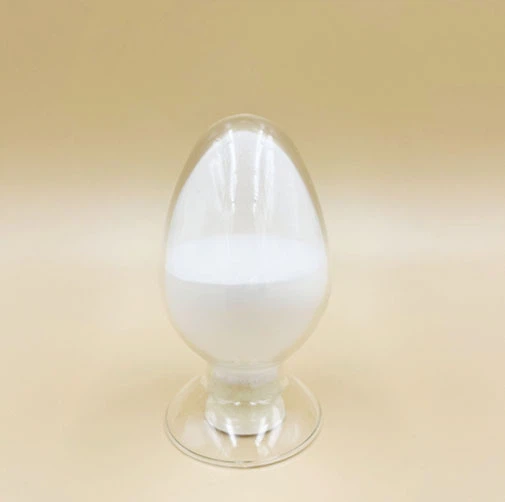
White powder |
White powder |
|
Whiteness (WI(CIE)) |
≥ 50.0 |
71.90 |
|
Odor |
Characteristic odor |
Complies |
|
Melting Point |
159.0℃-163.5℃ |
161.3℃-161.9℃ |
|
Moisture |
≤ 1.0% |
0.03% |
|
Ash |
≤ 0.2% |
0.0% |
|
Lead |
≤ 5.0ppm |
Not detected |
|
Arsenic |
≤ 1.0ppm |
Not detected |
|
Mercury |
≤ 0.3ppm |
Not detected |
|
Total Plate Count |
≤ 1000cfu/g |
90cfu/g |
|
Yeasts&Molds |
≤ 100cfu/g |
< 10cfu/g |
|
E.Coli |
Negative/g |
Not detected |
|
Staphylococcus Aureus |
Negative/g |
Negative |
|
Salmonella |
Negative/g |
Negative |
|
Assay |
≥ 98.0% |
100.41% |
IV.The Core Mechanism of Action of 98% Salidroside
The molecular formula of salidroside is C14H20O7, and its unique structure gives it multiple biological activities:
Mitochondrial energy regulation:
Activate the AMPK signaling pathway, enhance cell energy metabolism, and relieve fatigue.
Antioxidant and anti-inflammatory:
Scavenge free radicals, inhibit the NF-κB pathway, and reduce inflammatory factors (such as TNF-α, IL-6).
Neuroprotection:
Promote the expression of brain-derived neurotrophic factor (BDNF) and improve cognitive function.
Anti-hypoxia:
Upregulate hypoxia-inducible factor (HIF-1α) and enhance cell adaptation to hypoxic environment.
V.Empirical Efficacy of High-Purity Salidroside:
Anti-fatigue and improved athletic performance
Clinical trials have shown that 98% salidroside can extend the swimming time of mice by more than 30% (Journal of Ethnopharmacology, 2020). Human trials have also observed reduced lactic acid accumulation and accelerated recovery after exercise, which may become a natural supplement for athletes and people working at high intensity.
Prevention and treatment of altitude sickness
A study by the General Hospital of the Tibet Military Region confirmed that pretreatment with high-purity salidroside can significantly reduce the incidence of acute altitude sickness (effectiveness > 85%), and its mechanism is related to improving blood oxygen saturation and regulating erythropoiesis.
Potential for neurodegenerative diseases
Animal experiments have shown that salidroside can reduce β-amyloid protein deposition, improve memory in Alzheimer's disease model mice (Phytomedicine, 2021), and show anti-Parkinson's disease activity.
Skin anti-aging
Application of 98% pure ingredients in cosmetics: It enhances the skin's antioxidant capacity by activating the Nrf2 pathway and inhibits matrix metalloproteinases (MMPs) to delay collagen loss. Clinical tests show that continuous use for 8 weeks can reduce wrinkle depth by 22.3%.
VI.Application Fields And Future Directions
Medical field:
Development of anti-dementia drugs, anti-depression adjuvant therapy and chemotherapy adjuvant protective agent.
Functional food:
Core ingredients of plateau tourism, sports nutrition, and workplace stress relief products.
Cosmetics:
Active additives for high-end anti-aging essences and repair masks.
Research trends:
Nano delivery systems improve absorption rate; gene editing technology increases the natural content in Rhodiola rosea plants.
References Research Articles:
1. Li et al. (2020). Salidroside enhances stress tolerance via modulating energy metabolism. Journal of Ethnopharmacology.
2. Zhang Y. et al. (2022). Anti-aging effects of salidroside on human skin fibroblasts. Cosmetic Dermatology.
3. WHO Monographs on Selected Medicinal Plants (Vol. 4) - Rhodiola rosea.
4. Biotechnology Journal 2023.
5. White Paper on Progress in Synthetic Biology, Institute of Microbiology, Chinese Academy of Sciences.
6. INCI Database of the International Cosmetic Ingredients Association.
Disclaimer: The above texts are all from scientific research literature and the Internet and have not been evaluated by national authoritative agencies. This article is not intended to diagnose, treat, cure or prevent any disease. If there is any infringement or misunderstanding, please contact us to delete it. Thank you.