





I. Introduction to PQQ
Chemical Properties and Natural Sources
Pyrroloquinoline quinone (PQQ) is a quinone compound whose chemical structure contains three carboxylic acid groups and two quinone oxygen atoms and has strong redox activity. Natural PQQ is widely found in soil microorganisms, certain plants (such as green peppers and kiwis) and fermented foods (such as natto). The human body cannot synthesize it independently and needs to obtain it through diet or supplements [1].
Dietary Supplement Form
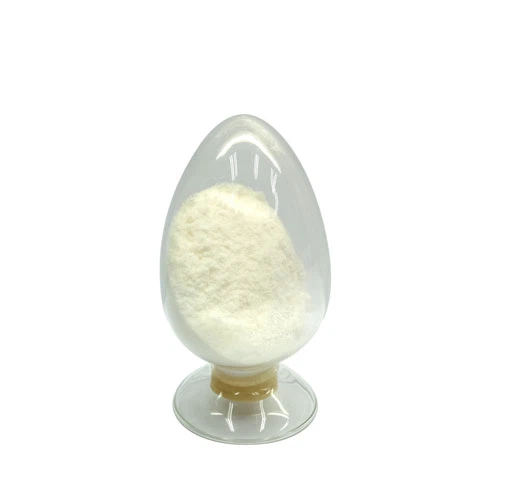
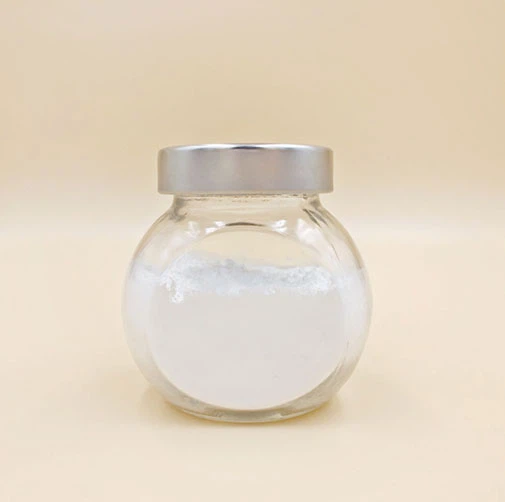
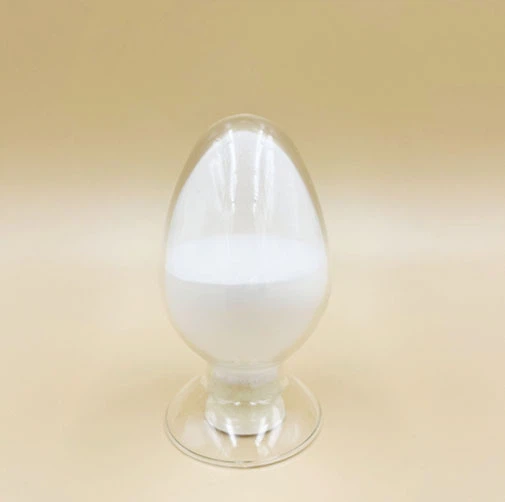
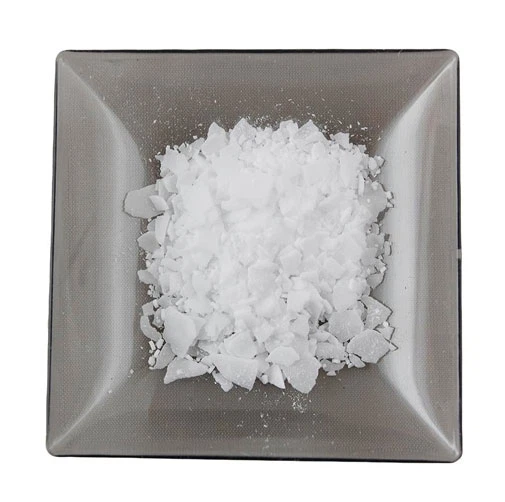
PQQ disodium salt is a stable, water-soluble form of PQQ, commonly found in commercial supplements, with a recommended dose range of 10-20 mg/day[2]. Its safety has been verified in multiple animal and human studies, with no significant toxic side effects[3].
II. Efficacy and Scientific Evidence of PQQ
1. Promote Mitochondrial Biogenesis and Energy Metabolism
Mitochondria are the energy factories of cells, and PQQ has been shown to stimulate mitochondrial biogenesis by activating the AMPK/PGC-1α signaling pathway. Animal experiments have shown that the number of mitochondria in the liver and muscles of mice supplemented with PQQ increased significantly, and the efficiency of energy metabolism improved[4]. A double-blind trial on healthy adults found that after supplementing with 20 mg PQQ daily for 8 consecutive weeks, the subjects' fatigue was reduced and cognitive flexibility was improved, which may be related to enhanced mitochondrial function[5].
2. Neuroprotection and Improvement of Cognitive Function
PQQ can penetrate the blood-brain barrier and reduce the damage to neurons caused by oxidative stress. Animal models have shown that PQQ can inhibit the neurotoxicity of β-amyloid protein (Alzheimer's disease-associated protein) and promote the regeneration of damaged neurons[6]. In human studies, a trial on middle-aged and elderly people showed that supplementing with PQQ (20 mg/day) combined with coenzyme Q12 significantly improved memory and attention, and the effect was better than using coenzyme Q10 alone[7].
3. Antioxidant and Anti-inflammatory Effects
PQQ exerts a dual antioxidant effect by directly reacting with free radicals and activating the Nrf2 antioxidant pathway. In vitro experiments have confirmed that its antioxidant capacity is 50-100 times that of vitamin C[8]. Clinical studies have shown that supplementing with PQQ can reduce the levels of inflammatory markers (such as C-reactive protein) and has a potential protective effect on chronic inflammatory-related diseases (such as cardiovascular disease)[9].
4. Immune Regulation and Intestinal Health
Preliminary studies have shown that PQQ can enhance the body's immunity by regulating the Th1/Th2 immune balance[10]. In addition, PQQ may improve the structure of intestinal flora by promoting the proliferation of beneficial intestinal bacteria (such as lactobacilli), but its specific mechanism still needs further verification [11].
III. Conclusion
As a new dietary supplement, pyrroloquinoline quinone disodium salt (PQQ) has shown potential value in promoting mitochondrial health, protecting neurological function, anti-oxidation and immune regulation. However, existing research still has limitations: most evidence comes from animal experiments and small-scale human trials, and long-term safety, optimal dosage and applicability to specific populations (such as pregnant women and patients with chronic diseases) still need to be further explored. It is recommended that consumers use it reasonably under professional guidance, and we look forward to larger-scale clinical trials in the future to provide a more solid scientific basis for its application.
References
- Kumazawa, T. et al. (1992). Journal of Vitaminology. 38(4), 209-218.
- Harris, C.B. et al. (2013). Journal of Nutritional Biochemistry. 24(12), 2076-2084.
- Itoh, Y. et al. (2019). Regulatory Toxicology and Pharmacology. 103, 21-28.
- Chowanadisai, W. et al. (2010). Journal of Biological Chemistry. 285(1), 142-152.
- Nakano, M. et al. (2009). Functional Foods in Health and Disease. 17(4), 293-308.
- Zhang, J.J. et al. (2016). Neurochemical Research. 41(5), 1135-1149.
- Takatsu, H. et al. (2009). Journal of Clinical Biochemistry and Nutrition. 45(1), 37-45.
- Stites, T.E. et al. (2006). BioFactors. 28(1), 33-41.
- Ihara, H. et al. (2019). Antioxidants. 8(8), 316.
- Rucker, R. et al. (2009). BioFactors. 34(3), 191-199.
- Suzuki, O. et al. (2016). Journal of Nutritional Science and Vitaminology. 62(4), 213-221.
Disclaimer: The above texts are all from scientific research literature and the Internet and have not been evaluated by national authoritative agencies. This article is not intended to diagnose, treat, cure or prevent any disease. If there is any infringement or misunderstanding, please contact us to delete it. Thank you.