


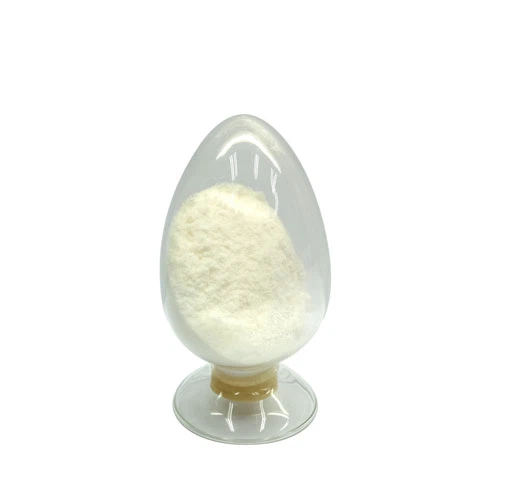
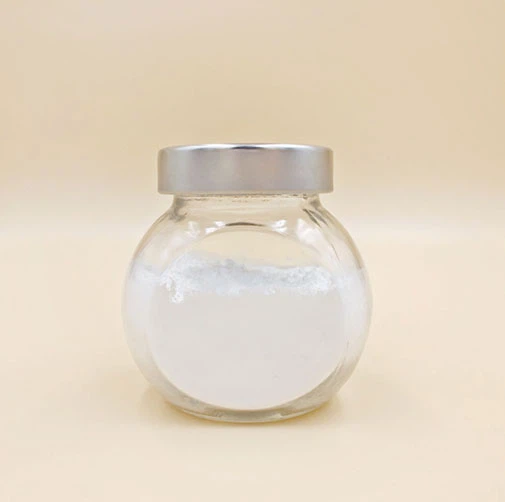

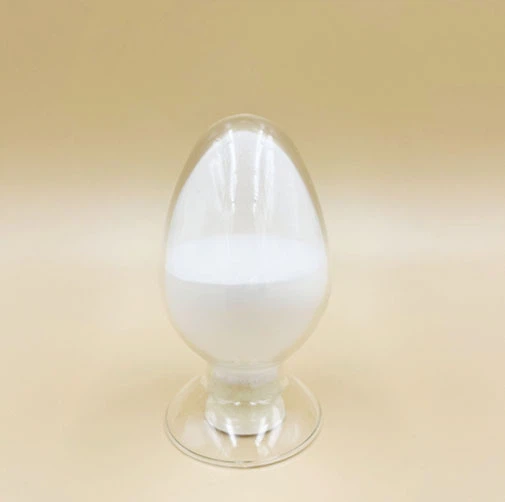
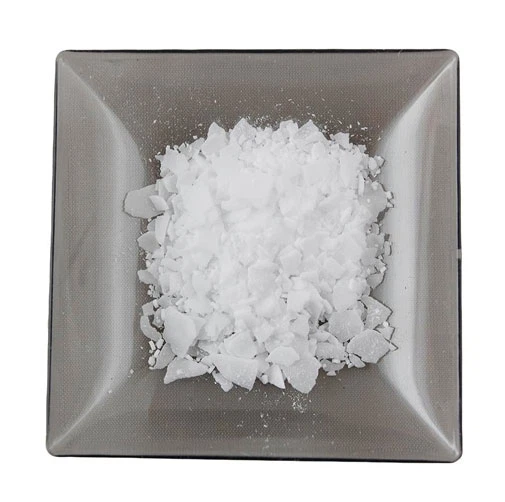


I. Introduction to Nicotinamide Adenine Dinucleotide, Reduced Disodium Salt Hydrate
Nicotinamide adenine dinucleotide, reduced disodium salt hydrate, referred to as NADH. NADH and NAD+ are a pair of redox pairs in cells. NADH is the reduced form of coenzyme 1 NAD, and NAD+ is its oxidized form. In redox reactions, NADH acts as a donor of hydrogen and electrons, and NADH acts as an acceptor of hydrogen and electrons, participating in physiological processes such as respiration, photosynthesis, and alcohol metabolism. As coenzymes of many redox reactions in organisms, they participate in life activities and convert into each other.

Under anaerobic conditions, glucose metabolism produces very few applications. Under aerobic conditions, NADH or FADH2 produced by glycolysis and tricarboxylic acid cycle can produce a large number of applications through oxidative phosphorylation reactions. The amount of NADH is directly related to the production of ATP. The more NADH each cell contains, the more energy it produces. The more energy an organ needs, the higher its (or required) NADH content.[1]
II. The Efficacy of NADH
1.Improve energy levels
NADH is not only an important coenzyme in aerobic respiration, but also the [H] of NADH that carries energy. Studies have confirmed that the use of NADH outside cells can promote the increase of ATP levels in cells, which means that NADH can penetrate the cell membrane and increase the energy level in cells.[2] Exogenous NADH supplementation helps to restore physical strength and enhance appetite, while improving brain energy levels, mental state and sleep quality.
2.Protect cells
NADH, as a natural strong antioxidant in cells, can react with free radicals, inhibit lipid peroxidation, and protect mitochondrial membranes and their functions.[3] NADH can reduce cellular oxidative stress caused by radiation, drugs, toxic substances, strenuous exercise, ischemia and other factors, thereby protecting a variety of cell types. Therefore, injection or oral administration of NADH is used to improve cardiovascular and cerebrovascular diseases and assist in cancer treatment.
3.Promote the production of neurotransmitters
Studies have shown that NADH significantly promotes the production of the neurotransmitter dopamine, which is essential for short-term memory, involuntary movements, muscle tension, and spontaneous physical reactions.[4] The application of NADH helps improve the symptoms of Parkinson's disease because it promotes the synthesis of dopamine.
4.Improve mental health
NADH not only promotes the production of dopamine, but also promotes the biosynthesis of norepinephrine and serotonin, which has potential application value for alleviating depression and Alzheimer's disease.[5] Through these mechanisms, NADH provides important support for mental health and helps improve mood regulation and cognitive function.
III. Conclusion
As a highly efficient dietary supplement, NADH brings many benefits to human health with its unique physiological functions. From improving energy levels to anti-aging, from improving cognitive function to protecting cardiovascular health, NADH has broad application prospects. However, it is worth noting that when supplementing NADH, professional guidance should be followed to ensure safety and effectiveness. By scientifically supplementing NADH, we can add a guarantee to a healthy life.
References
- Alberts B, Johnson A, Lewis J, et al. Molecular Biology of the Cell. 4th edition. New York: Garland Science; 2002. The Mitochondrion. Available from: https://www.ncbi.nlm.nih.gov/books/NBK26894/
- Zhong Y, Guo J, Zhang Z, Zheng Y, Yang M, Su Y. Exogenous NADH promotes the bactericidal effect of aminoglycoside antibiotics against Edwardsiella tarda. Virulence. 2024 Dec;15(1):2367647. doi: 10.1080/21505594.2024.2367647. Epub 2024 Jun 17. PMID: 38884466; PMCID: PMC11185186.
- Olek R A, Ziolkowski W, Kaczor J J, et al. Antioxidant activity of NADH and its analogue-an in vitro study[J]. BMB Reports, 2004, 37(4): 416-421.
- He L, Wang J, Yang Y, et al. Mitochondrial sirtuins in Parkinson's disease[J]. Neurochemical Research, 2022, 47(6): 1491-1502.
- Vrecko K, Storga D, Birkmayer JG, Möller R, Tafeit E, Horejsi R, Reibnegger G. NADH stimulates endogenous dopamine biosynthesis by enhancing the recycling of tetrahydrobiopterin in rat phaeochromocytoma cells. Biochim Biophys Acta. 1997 Jul 10;1361(1):59-65. doi: 10.1016/s0925-4439(97)00016-1. PMID: 9247090
Disclaimer: The above texts are all from scientific research literature and the Internet and have not been evaluated by national authoritative agencies. This article is not intended to diagnose, treat, cure or prevent any disease. If there is any infringement or misunderstanding, please contact us to delete it. Thank you.