





Beyond Resveratrol: Pterostilbene, a New Generation of Cell Guardian

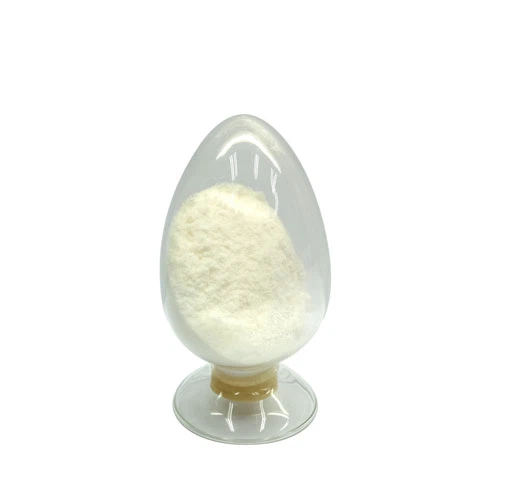
Resveratrol has long been renowned in the field of antioxidants and anti-aging, but now, a more powerful and more bioavailable natural molecule, Pterostilbene (Pterostilbene), is becoming a rising star in the health field with its outstanding activity. This compound, mainly found in blueberries and grapes, is known as the "upgraded version of resveratrol" and provides a deeper level of protection for your health.
The most striking effect of Pterostilbene is its powerful antioxidant and anti-inflammatory ability. Its unique chemical structure makes it easier for the human body to absorb and utilize than resveratrol, and it can more effectively neutralize free radicals, reduce systemic chronic inflammation, delay cell aging from the root, and protect cardiovascular health [1].
Even more exciting is that Pterostilbene has shown great potential in blood sugar and blood lipid management. Studies have shown that it can effectively activate key proteins related to metabolism (such as AMPK), improve insulin sensitivity, and help maintain healthy blood sugar levels. At the same time, it helps regulate cholesterol and promotes overall cardiovascular health. [2]
In addition, Pterostilbene has demonstrated positive effects on the brain, supporting brain vitality by supporting nerve cell health and improving cognitive function. Choosing Pterostilbene means choosing a cutting-edge, highly effective natural strategy to inject youthful vitality into your body and usher in a new era of health.
References and materials:
Rimando, A. M., et al. (2002). "Pterostilbene, a new agonist for the peroxisome proliferator-activated receptor alpha-isoform, lowers plasma lipoproteins and cholesterol in hypercholesterolemic hamsters." Journal of Agricultural and Food Chemistry, 50(12), 3453-3457.
Gomez-Zorita, S., et al. (2015). "Pterostilbene: Pharmacological aspects." Current Medicinal Chemistry, 22(3), 306-317.
McCormack, D., & McFadden, D. (2013). "A review of pterostilbene antioxidant activity and disease modification." Oxidative Medicine and Cellular Longevity, 2013, 575482.