





NR Chloride vs. NR Malate: The Same NAD+ Precursor-How to Choose Between the Two Salt Forms?
Industry professionals know that a single active ingredient often appears on the market in more than one "form."
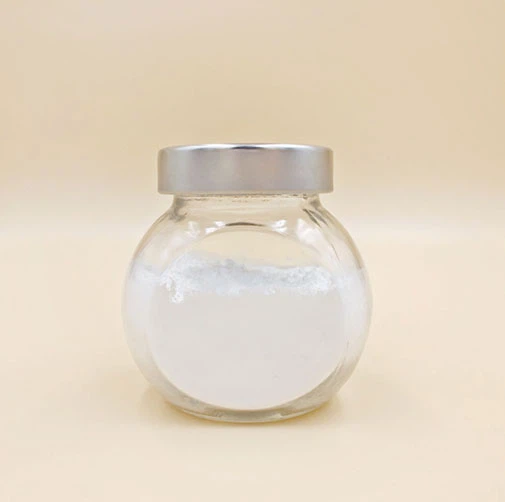
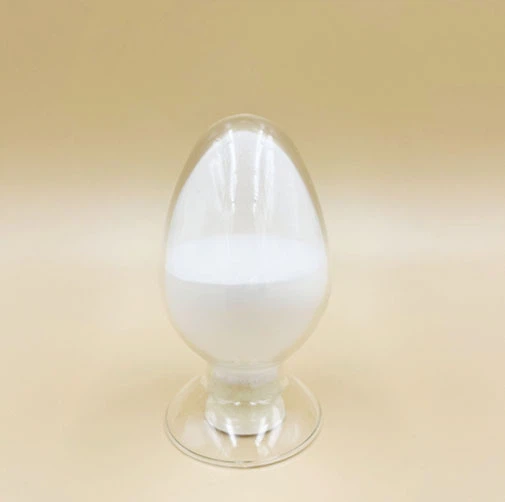
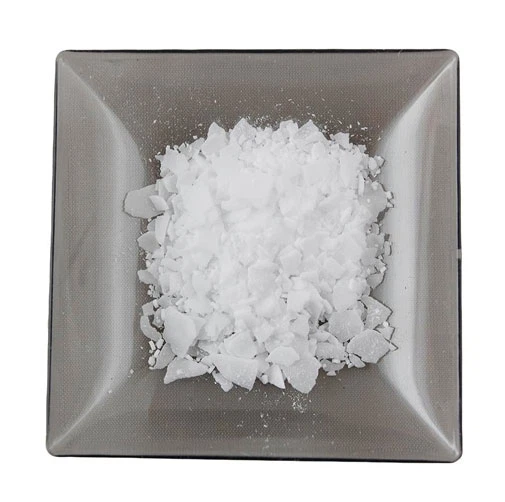
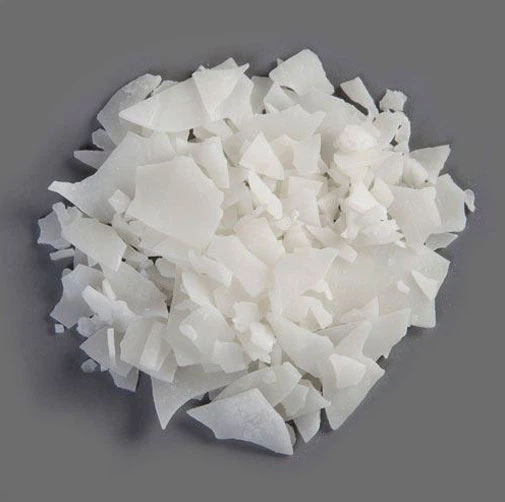
NR (Nicotinamide Riboside) is a prime example: the two mainstream salt forms currently available are NR Chloride (NRC) and NR Malate (Nicotinamide Riboside Hydrogen Malate, NRHM).
They share the same active NR⁺ component, and clinical evidence applies to both; the real differences lie in their physicochemical properties-hygroscopicity, stability, taste, and suitability for various dosage forms.
Consequently, the question product developers ask most often isn't "Which one is more effective?" but rather: "Which version best suits my product positioning?"
This article clarifies the differences and outlines the logic for making a selection.
01 / The "Distinct Personalities" of the Two Salt Forms
Let's start with a comparison table:
|
Parameter |
NR Chloride (NRC) |
NR Malate (NRHM) |
|
Active Ingredient |
NR⁺ Cation |
NR⁺Cation (identical) |
|
Hygroscopicity |
Relatively high |
Significantly lower; powder remains dry |
|
Storage stability |
Moisture protection required; risk of content degradation needs to be managed |
Crystalline stability; better batch-to-batch consistency |
|
Mouthfeel |
Slightly salty/astringent |
Naturally mild acidity from malic acid; more approachable |
|
Dosage form compatibility |
Mature, most widely used |
Suitable for capsules, tablets, or powders; broader processing window |
|
Cost Positioning |
Mass-market basic products |
High-end NAD+ precursors / Professional-grade lines |
The root cause of these differences lies in the acid anion: chloride ion versus malate ion. While the anion does not affect NR's biological activity, it does influence the molecule's crystallization behavior, hygroscopicity, and taste.
A crystallographic study published in *Molecules* in 2021 also noted that developing new salt forms of NR can significantly improve physicochemical properties while maintaining bioequivalence [1].
02 / Common Ground: Different Salt, Same Efficacy
Regardless of the choice, the NAD+ efficacy remains consistent-this is the fundamental premise for selection.
Research clearly indicates that NR malate and NR chloride are bioequivalent *in vivo* [1]. Furthermore, there is ample clinical evidence supporting NR's ability to boost NAD+ levels:
Martens et al. (2018): Healthy middle-aged and older adults taking 1,000 mg of NR daily saw whole-blood NAD+ levels rise by approximately 40%–60% after six weeks (*Nature Communications*) [2]
Elhassan et al. (2019): Older subjects supplementing with NR for 21 days showed a significant increase in skeletal muscle NAD+ levels, accompanied by a decrease in inflammatory markers (*Cell Reports*) [3]
Dollerup et al. (2018): NR supplementation improved insulin sensitivity, suggesting metabolic benefits (*Am J Clin Nutr*) [4]
In short: the "salt" form changes, but the "active ingredient" does not-the evidence regarding NAD+ applies to both forms, and the choice depends solely on product suitability.

1,000 mg NR daily for 6 weeks in healthy middle-aged and older adults resulted in a 40–60% increase in whole-blood NAD+ levels [2].
03 / The Differentiated Value of NRHM
When looking solely at NAD+ elevation, there is no significant difference between the two; the value of NRHM lies in what it offers "beyond the salt form":
① Mitochondrial "synergy" from malic acid. Malic acid is a key intermediate in the tricarboxylic acid (TCA) cycle and plays an "energy-supplying" role in mitochondrial energy metabolism [5]. Since mitochondria are the primary site of NAD+ consumption, malic acid provides the necessary carbon backbone-NRHM = boosting NAD+ reserves (via the NR component) + supporting mitochondrial energy production (via the malic acid component).
② Superior oral experience. Malate naturally imparts a mild acidity that masks the salty, astringent taste of NR; it also demonstrates better gastrointestinal tolerability in some populations, making it highly suitable for long-term oral supplementation.
③ Cross-over advantages in sports nutrition. Malic acid is a common "endurance-boosting" ingredient in sports nutrition (serving as the foundation for citrulline malate), giving NRHM a natural narrative advantage at the intersection of sports nutrition and NAD+ supplementation.
04 / Safety: A Shared Profile
The safety profiles of both forms are grounded in the same evidence base:
① Long-term toxicology data. A preclinical safety study published in *Toxicology Research and Application* in 2022 systematically evaluated NRHM; experimental animals receiving daily doses of up to 3,000 mg/kg for 90 days showed no signs of toxicity [6].
② Traceable regulatory lineage. NR chloride received FDA New Dietary Ingredient (NDI) notification status in 2016 (NDI No. 855). Because NRHM and NRC share the same active NR⁺ cation, they can be traced back to the same toxicological safety profile [6].
05 / How to Choose: Three Decision Scenarios
There is no single "superior salt form," only product positioning that is "better suited" to specific needs. Here are three scenarios for reference:
Scenario A: Mass-market staple product, cost-conscious, established formula → Choose NR chloride (NRC). It offers the widest application, a mature supply chain, and superior cost-efficiency, making it a safe choice for high-volume sales.
Scenario B: High-end positioning, prioritizing stability and taste, combined with sports nutrition → Choose NR Malate (NRHM). Its low hygroscopicity reduces the risk of product spoilage, while the malate component enhances flavor and supports a premium price point through its association with mitochondrial health.
Scenario C: Product portfolio strategy → Launch both. Use NRC as an entry-level, high-volume product and NRHM for professional differentiation, thereby covering a broader price range and target audience.
GIHI CHEMICALS Perspective
The two salt forms of NR do not represent a "replacement of old with new," but rather two different product expressions of the same active ingredient: NRC is more established and reliable, while NRHM offers greater stability and refinement. For product developers, the key is to first define the product positioning and then select the appropriate salt form.
GIHI CHEMICALS supplies both NR Chloride (NRC) and NR Malate (NRHM) and offers comparative samples-allowing you to choose based on your product positioning or to incorporate both into your portfolio.
Interested in comparing the physical samples and test reports of these two salt forms? Add us on WeChat and reply with "[NR Series]" to request NRC + NRHM comparative samples; we will ship them within one business day.
If you are developing related products, we welcome you to discuss raw materials, regulatory compliance, and formulation strategies with GIHI CHEMICALS.

GIHI CHEMICALS
GIHI CHEMICALS is an innovative enterprise dedicated to the R&D and industrial-scale delivery of high-purity active ingredients derived from synthetic biology. The company focuses on areas such as cellular anti-aging, energy metabolism, women's health, and natural active ingredients. Leveraging platforms for AI-driven enzyme engineering and synthetic biology, the company provides one-stop solutions spanning R&D, pilot testing, and large-scale production.
Our current core products include high-value-added functional ingredients such as Citicoline, the NR series (NR Chloride / NR Malate), the NAD+ series, S-Equol, Sialic Acid, and glycosylated flavonoids.
1:Where to buy bulk NR Chloride/CAS No.23111-00-4+NR Malate/CAS No.2415659-01-5?
Send an inquiry email to us :sales@gihichem.com
Our professional team will reply to you within 6 hours.
2:What will you get from gihi chemicals except higher quality products?
Gihi Chemicals Co.,Limited, is a professional manufacturer with
3strong research and development lab centers + 4 standardized production workshops,with ISO9001 & FDA certificate & CE certificates.
Except the high quality product, your team will get the following 4 support:
1): Factory direct sales, China's lower price, free sample is available.
2): COA, TDS, SDS and other testing spectrum are available at any time.
3):ISO9001, FDA, CE certificate, 3 labs and 4 factories, to insure the higher quality.
4): Large quantity in stock, prompt delivery from warehouse, 24h professional service.
3:Why Choose gihi chemicals for Your trustful supplier?
●Extensive Selection: Our 3 labs and 4 factories ensure every year, we could produce more than 100 new chemical structures every year.
●GMP-Compliant Facilities: Our 4 professional factories comply with strict GMP (Good Manufacturing Practice) guidelines, ensuring the highest quality and safety standards throughout production.
●Rigorous Certifications: All ingredients are certified with HACCP, ISO, FDA,CE certificates.
●Competitive Wholesale Prices: Enjoy cost-effective pricing without compromising on quality.
●Customizable Solutions: OEM and ODM services are available. Tailor your ingredient blends to your specific needs and target clients.
●Expert Technical Support: Our expert team is here to answer your questions and guide you through the selection process.
●Quicker Delivery: We ensure smooth and timely delivery to your desired destination anywhere.
References
[1] Guillon J, et al. New Crystalline Salts of Nicotinamide Riboside as Food Additives. *Molecules*. 2021;26(9):2729.
[2] Martens CR, et al. Chronic nicotinamide riboside supplementation is well-tolerated and elevates NAD+ in healthy middle-aged and older adults. *Nat Commun*. 2018;9:1286.
[3] Elhassan YS, et al. Nicotinamide Riboside Augments the Aged Human Skeletal Muscle NAD+ Metabolome. *Cell Rep*. 2019;28(7):1717-1728.
[4] Dollerup OL, et al. Nicotinamide riboside does not alter mitochondrial respiration in skeletal muscle. *Am J Clin Nutr*. 2018;108(4):784-793.
[5] Rutter J, et al. Succinate dehydrogenase - assembly, regulation and role in human disease. *Mitochondrion*. 2010;10(4):393-401.
[6] Dziwenka M, Mozingo A. Preclinical safety assessments of nicotinamide riboside hydrogen malate. *Toxicol Res Appl*. 2022;6:23978473221108881.