




Bisabolol: The core soothing essence of chamomile, a versatile ingredient for emergency relief of red and irritated skin.

Seasonal stinging, burning from acid peels, rosacea redness, and acne swelling-many soothing serums and repair creams add chamomile extract, but the truly effective core ingredient is bisabolol. Extracted from German chamomile, it's incredibly gentle and boasts eight major benefits: powerful redness reduction, long-lasting anti-inflammatory effects, antibacterial repair, soothing stinging, promoting wound healing, antioxidant stabilization, reducing skin sensitivity, and aiding in fading blemishes. Suitable for oily, acne-prone, sensitive, post-cosmetic procedures, rosacea-prone skin, and even baby skin, this essential active ingredient is a staple in everything from affordable soothing lotions to high-end repair lines. Today, we'll thoroughly explain its mechanism of action, skin type compatibility, formulation strategies, and common misconceptions.
I. Raw Material Basis: Chamomile Extract - Gentle and Soothing Active
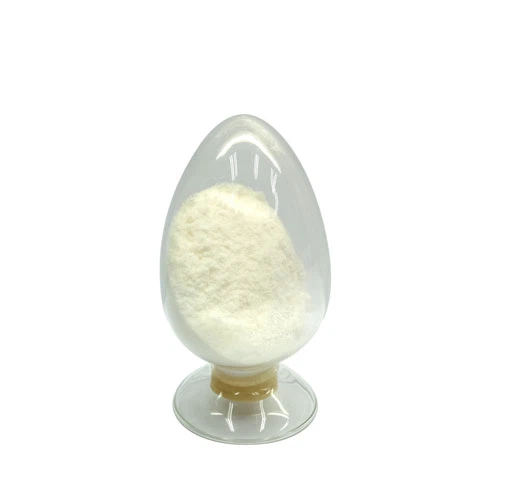
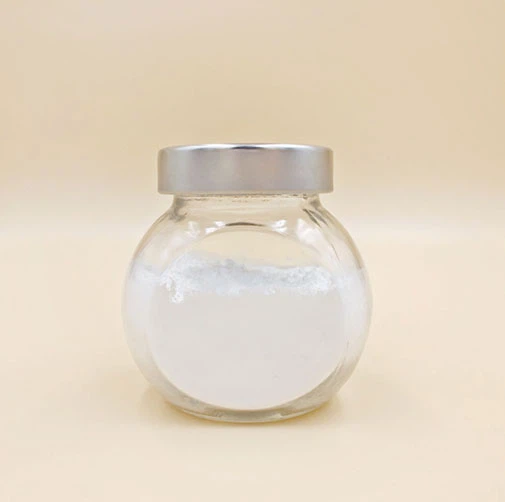
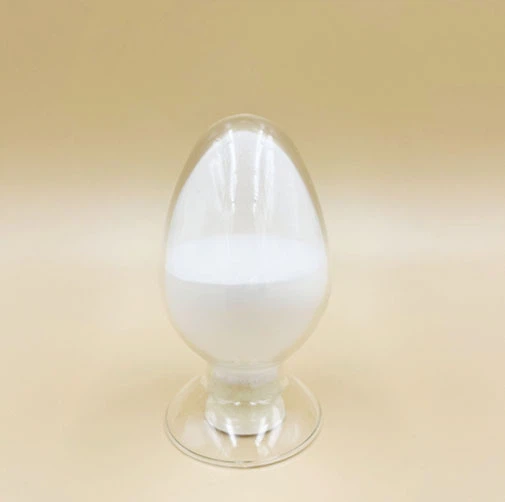
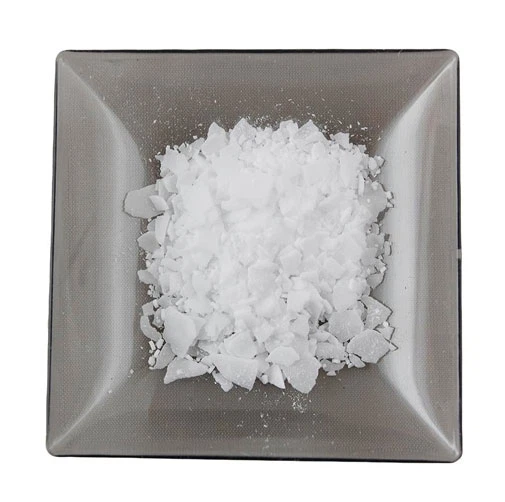
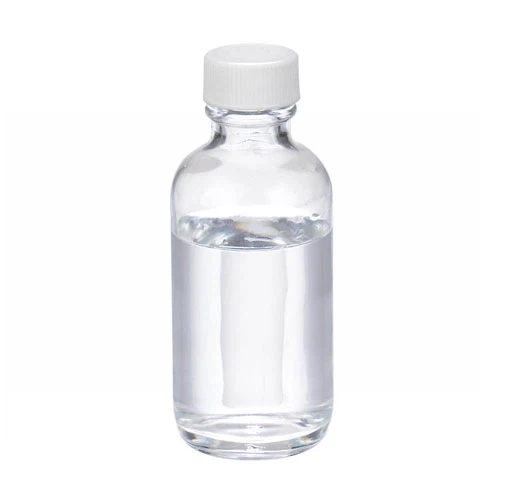
INCI Name: Bisabolol (available in natural chamomile distillation extract and biosynthetic versions); the natural raw material uses German chamomile flower heads for low-temperature distillation, followed by multi-stage distillation purification to remove irritating terpenoid impurities after oil separation; the synthetic version has higher purity, stable cost, and is free of plant allergens, suitable for vegetarian formulations. The entire purification process is conducted at low temperatures, without the use of strong acids or heavy metal catalysts. The finished product is a transparent, pale yellow oily liquid, a fat-soluble small molecule, and has passed triple testing on mucous membranes, broken skin, and long-term human patch tests. It is hormone-free and non-addictive, and can be safely added at low concentrations to the delicate skin of pregnant women and infants.
Key Formula Compatibility Advantages:
High-Quality Oil-Soluble Small Molecules: Easily penetrates stratum corneum gaps, reaching the inflamed areas beneath the epidermis, providing deeper repair than water-soluble soothing ingredients;
Extremely Low Irritation: Recognized as a hypoallergenic soothing ingredient, widely used in baby care products and post-operative dressings, with virtually no risk of stinging;
Broad Formula Compatibility: Stable activity within the pH range of 4–8, can be combined with acids, vitamin A precursors, zinc supplements, and various whitening peptides to buffer irritation;
Highly Effective with Minimal Dosage: Only 0.1% is needed to reduce redness; low additive content and lightweight, won't clog pores or cause oiliness in oily skin;
Inherent Antibacterial Ability: Inhibits acne bacteria and Malassezia, soothing while reducing acne breakouts.
II. Eight Core Skincare Functions to Solve Various Redness and Sensitivity Issues
1. Emergency Relief for Sudden Burning Redness and Stinging: Temperature fluctuations, sun exposure, adverse reactions to strong medications, and skincare intolerance can cause widespread redness and stinging. Bisabolol directly blocks the release of inflammatory mediators, reducing the burning sensation shortly after application. It's an essential ingredient for emergency skin care, and its soothing effect is doubled when used as a compress.
2. Improves Persistent Erythema and Hot/Cold Flushing in Rosacea: For those with naturally thin skin and rosacea prone to redness upon exposure to hot or cold temperatures or emotional excitement, long-term use reduces vascular permeability, strengthens capillary walls, reduces recurring burning sensations, and improves persistent erythema on the nose and cheeks.
3. Reduces Inflammatory Acne Redness and Shortens Healing Cycle: Penetrates the sebum layer of hair follicles, inhibits the growth of acne-causing bacteria, relieves redness and swelling around pustules and hardened pimples, reduces the spread of inflammation, and reduces the formation of thick, red acne marks from the source. An essential daily remedy for acne-prone and sensitive skin.
4. Repairs minor abrasions and accelerates skin healing: For small wounds such as pimples, minor abrasions, acid peels, and laser treatments, bisabolol promotes the migration and regeneration of keratinocytes, accelerating epidermal integrity and reducing the probability of scarring and redness.
5. Long-lasting reduction of skin sensitivity threshold and improvement of sensitive skin: Long-term use lowers the sensitivity of nerve endings in the skin, reducing frequent dryness, itching, and stinging, improving the fragile state of "redness upon contact with skincare products," and gradually building the skin's own tolerance.
6. Inhibits sebum inflammation and improves seborrheic dermatitis: Balances low-grade inflammation induced by oil, relieving oily skin and itching around the nose and eyebrows, inhibiting the excessive proliferation of Malassezia, and improving strawberry nose and seborrheic dermatitis.
7. Mild antioxidant, prevents inflammatory hyperpigmentation. Captures epidermal lipid free radicals, preventing excessive melanin buildup after inflammation. Use after acne or sunburn to reduce the probability of red and black acne marks and superficial sunspots, soothing and brightening the skin.
8. Soothes the whole body in infants and children, relieves dryness and rashes. Extremely low irritation, commonly used in baby moisturizers and bath products. Improves dry redness on infant cheeks, dry eczema on limbs, and seasonal dryness and itching. Safe for use on delicate mucous membranes around the eyes and lips.
III. Precise Usage for Different Skin Types & Optimal Combinations
Oily/Combination Oily Inflammatory Seborrheic Acne Skin
Suitable Products: Soothing Acne-Clearing Gel, Mattifying Repair Lotion, Oil-Control Toner
Suitable Concentration: 0.1%–0.3%
Best Combinations: Piotin, Zinc Gluconate
Usage: Apply thinly to the entire face morning and evening, focusing on areas with acne on the nose and chin. Simultaneously inhibits bacteria and reduces redness, leaving skin refreshed and non-comedogenic, reducing recurring pustules.
Dry Skin / Combination Dry Skin (Seasonal Changes), Thin Skin, Dry, Itchy, and Redness
Suitable Products: Repairing Serum, Moisturizing and Soothing Cream, Hydrating Toner
Suitable Concentration: 0.12%–0.35%
Best Combinations: Phytosterol Esters, D-Panthenol
Usage: Apply a thick layer to red, dry, and itchy areas of the cheeks at night for dual hydration and repair, relieving dryness and burning, and preventing makeup from becoming patchy or red.
Sensitive Skin / Rosacea-Stabilized Skin
Suitable Products: Sterile Soothing Single-Use Ampoules, Minimalist Repair Dressing
Suitable Concentration: 0.1%–0.2%
Low Concentration Formula
Best Combinations: Dipotassium Glycyrrhizate, Hydroxyacarboxylic Acid
Usage: Discontinue high-concentration acids, retinol, and strong whitening agents. Apply a thin layer to reddened areas multiple times daily. Reduce exposure to hot and cold temperatures to prevent flushing.
**Post-Aesthetic Treatment/Chemical Exfoliation Damaged Skin**
Suitable Products: Post-operative Repair Gel, Soothing Compress Lotion. Suitable Concentration: 0.1% (Very Low Single Concentration). Best Combination: Small Molecule Sodium Hyaluronate. Usage: Use continuously before and after scab formation to accelerate wound healing, relieve post-operative burning, and significantly reduce the risk of hyperpigmentation and redness.
**Infant/Toddler Dry, Reddish Skin**
Suitable Products: Baby Lotion, Gentle Body Wash. Suitable Concentration: 0.1%–0.2%. Best Combination: Betaine, Allantoin. Usage: Apply to dry, reddish areas all over the body for gentle itch relief and repair, without irritation or damage to the delicate skin barrier of children.
**Neutral, Healthy, and Stable Skin**
Suitable Products: Daily Moisturizer, Commuting Sunscreen. Suitable Concentration: 0.1%–0.3%. Best Combination: Caffeine, Trehalose. Usage: Use before seasonal changes and sun exposure to prevent sudden stinging and redness, and maintain a low-inflammatory and stable skin condition.
IV. Three Powerful Combination Formulas
**Bisabolol + Hydroxyacine | Emergency Rescue for Damaged Skin:** Bisabolol quickly suppresses surface burning and stinging, while asiaticoside accelerates the healing of damaged skin. The top choice for treating acid peels, sunburn, and large areas of redness from picking at pimples.
**Bisabolol + Dipotassium Glycyrrhizate | Double-Layer Redness Reduction:** Bisabolol's lipid-soluble properties deeply suppress inflammation, while dipotassium glycyrrhizate's water-soluble properties provide surface soothing. This combination simultaneously improves persistent redness from the inside out, making it a top-tier daily formula for maintaining rosy skin.
**Bisabolol + Zinc Gluconate | Oily Acne Soothing:** Bisabolol reduces redness and swelling from pimples, while zinc regulates oil production, inhibits bacteria, and unclogs pores. This combination improves oiliness, redness, and recurring closed comedones and pustules. Specifically designed for oily and sensitive skin in summer.
V. Concentration Standards, Storage, and Usage Contraindications
The effective safe concentration range is 0.1%–0.35%. Concentrations exceeding 0.35% only slightly increase the moisturizing effect, without any additional redness reduction or repair benefits.
It has strong compatibility and can be stably used with most skincare products within their pH range. Only extremely alkaline environments may slightly reduce its activity.
It is completely non-photosensitive and can be used both morning and evening. Using it with sunscreen during the day can reduce inflammation and pigmentation.
It has extremely high tolerance; no tolerance building is required for all skin types. Only use it in small amounts for a short period on large areas of oozing or broken skin.
Lipid-based ingredients should be stored in a sealed container at room temperature away from light. Store in the brown bottle and use within 6 months of opening. High temperatures can easily oxidize and weaken its soothing effects.
1:Where to buy bulk Bisabolol+CAS No.515-69-5 ?
Send an inquiry email to us : sales@gihichem.com
Our professional team will reply to you within 6 hours.
2:What will you get from gihi chemicals except higher quality products?
Gihi Chemicals Co.,Limited, is a professional manufacturer with
3strong research and development lab centers + 4 standardized production workshops,with ISO9001 & FDA certificate & CE certificates.
Except the high quality product, your team will get the following 4 support:
1): Factory direct sales, China's lower price, free sample is available.
2): COA, TDS, SDS and other testing spectrum are available at any time.
3):ISO9001, FDA, CE certificate, 3 labs and 4 factories, to insure the higher quality.
4): Large quantity in stock, prompt delivery from warehouse, 24h professional service.
3:Why Choose gihi chemicals for Your trustful supplier?
●Extensive Selection: Our 3 labs and 4 factories ensure every year, we could produce more than 100 new chemical structures every year.
●GMP-Compliant Facilities: Our 4 professional factories comply with strict GMP (Good Manufacturing Practice) guidelines, ensuring the highest quality and safety standards throughout production.
●Rigorous Certifications: All ingredients are certified with HACCP, ISO, FDA,CE certificates.
●Competitive Wholesale Prices: Enjoy cost-effective pricing without compromising on quality.
●Customizable Solutions: OEM and ODM services are available. Tailor your ingredient blends to your specific needs and target clients.
●Expert Technical Support: Our expert team is here to answer your questions and guide you through the selection process.
●Quicker Delivery: We ensure smooth and timely delivery to your desired destination anywhere.