



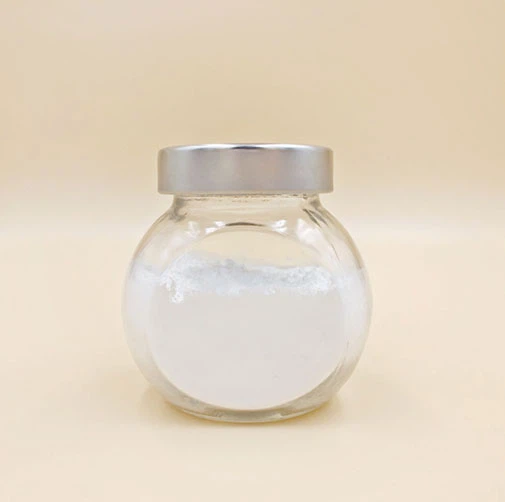

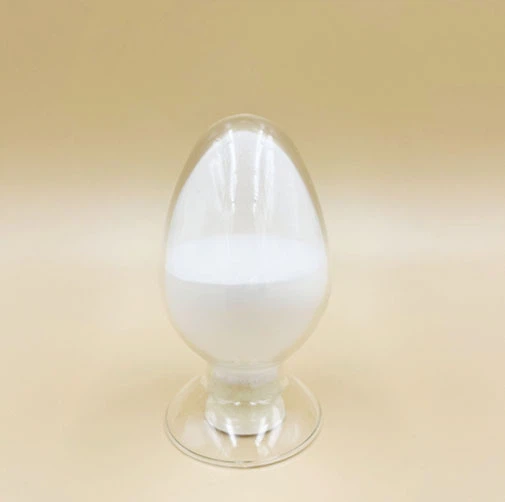

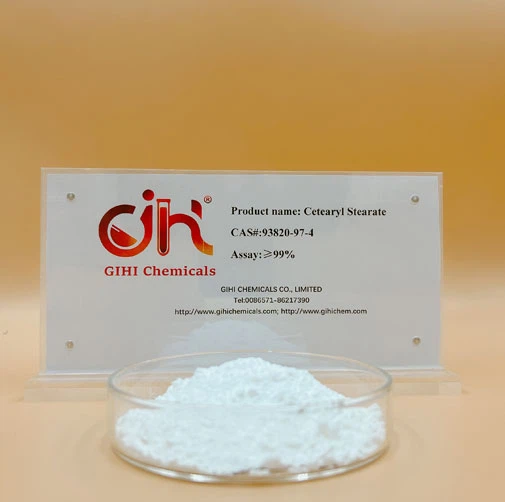

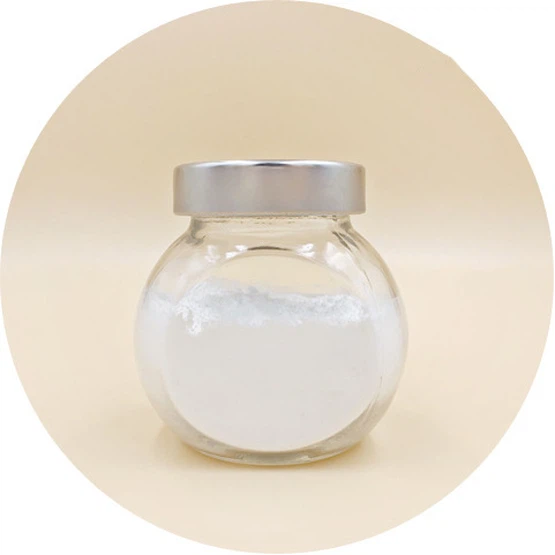
Palmitoylethanolamide Powder (CAS 544-31-0)
Our factory has been producing Palmitoylethanolamide powder for many years. As the earliest and biggest manufacturer of PEA, CAS: 544-31-0 palmitoylethanolamide bulk powder, we have FDA register No, and we also have ISO on it.
For the qualtity, our Palmitoylethanolamide powder was tested in USA lab and our assay of PEA is very high, could be 99%.
Palmitoylethanolamide Bulk Powder (CAS 544-31-0) Synonym
N-(2-HYDROXYETHYL)HEXADECANAMIDE; N-HEXADECANOYLETHANOLAMINE; PEAPALMIDROL; Palmidrol
● CAS: 544-31-0
● EC No.: 208-867-9
● MF: C18H37NO2
● MW: 299.49
Palmitoylethanolamide Powder (CAS 544-31-0) Parameters
|
Test Item |
Specification |
Results |
|
Appearance |
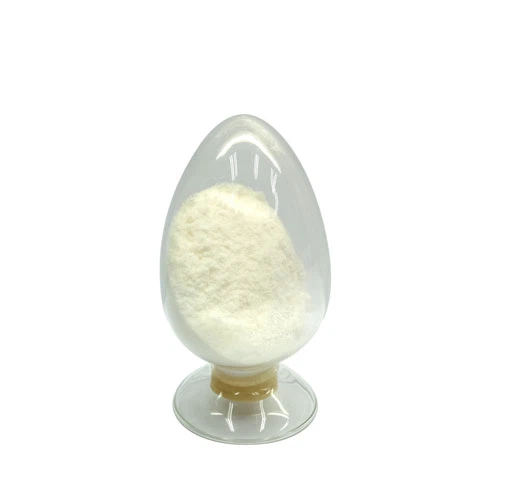
White To Light-yellow Crystalline Solid |
Complies |
|
Melt Point (℃) |
93-98℃ |
96.2℃ |
|
Coliforms |
10cfu/g |
Not Detected |
|
E.Coli |
Negative |
Complies |
|
Salmonella |
Negative |
Complies |
|
Staphylococcus |
Negative |
Complies |
|
Total Plate Count |
10cfu/g Max |
Not Detected |
|
Yeast And Molds |
10cfu/g Max |
Not Detected |
|
Heavy Metals |
Lead: 3ppm Max |
Complies |
|
Mercury: 0.1ppm Max |
Complies |
|
|
Cadmium: 1ppm Max |
Complies |
|
|
Arsenic: 0.5ppm Max |
Not Detected |
|
|
Residue Solvents |
No Solvents Exist |
Complies |
|
Particle Size |
100% ≤30μm |
Complies |
|
Purity |
≥98% |
99.3% |
● Packing: 100g/bag; 500g/bag; 1kg/bag; 25kg/drum
● Recommended storage method: Store in a cool, dry and ventilated place.
● Recommended storage temperature: 2-8°C
● Product usage: Dietary supplements, anti-inflammatory agents
Palmitoylethanolamide Powder (CAS 544-31-0) Benefits
High purity
99%+
Expert experience
We are the biggest manufacturer of Palmitoylethanolamide powder (PEA). We produced this product since 2011.
Our own patent production method
No any solvents during the production.
USA Third Party Lab Test Report available
USA Third Party Lab Test Report available.
Stable stock
5000KG - 10000KG every month.
Technical service
Professional technical service available fort Palmitoylethanolamide powder.
Palmitoylethanolamide Powder (CAS 544-31-0) Functions
● Anti-Inflammatory and Analgesic
● Improve the ability of immunity
● Treating chronic pain
● Treating epilepsy, cerebral ischemia and stroke
● Treating Alzheimer's disease and Parkinson's disease
Palmitoylethanolamide Bulk Powder (CAS 544-31-0) More Information
1: What is Palmitoylethanolamide (CAS 544-31-0)?
Palmitoylethanolamide, produced in the body, is a natural painkiller ingredient in the endogenous fatty acid amide category and synthesized within your own body. We call it endogenous. Palmitoylethanolamide pea powder is widely applied in sports nutrition supplements and joint health formulas worldwide, especially in the United States, Australia, UK, Canada, Netherlands, Belgium, Italy, France, Germany, Brazil, India, Swissland, Russia and many other countries.
Palmitoylethanolamide:
Its mechanism of action was discovered by the Nobel laureate professor Rita Levi-Montalcini, and its chemical structure is as follows:

PEA is a special natural substance; Nobel Prize holder LeviMontalcini discovered its effect and she also described its value in treating chronic infections and pains. Following her discovery, hundreds of scientific studies have been carried out, which elaborate on her research results.
● PEA is a natural substance with a long-term effect that corresponds with the natural healing power of our body.
● PEA has been described in more than 700 scientific publications.
● PEA was described in 1957 for the first time.
● PEA has already been used by more than a million people all over the world.
● PEA can be used in combination with other products without any problems.
● PEA is a natural substance.
● PEA is produced in our body.
● PEA can be found in food such as meat, eggs, soybeans and peanuts.
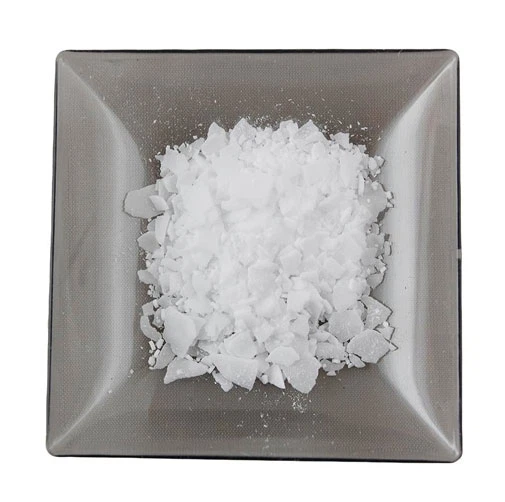
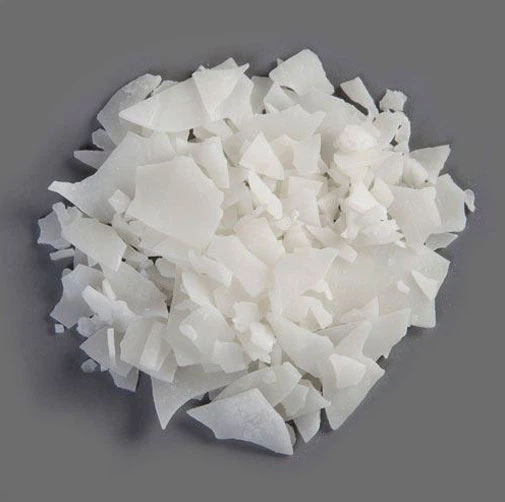
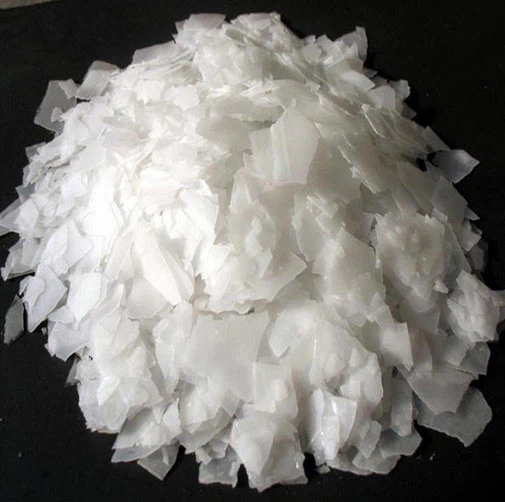
Our patent synthesis method to ensure our raw Palmitoylethanolamide is usually in flake form, the only one company in the world who could make this kind flake Palmitoylethanolamide. Our patent synthesis method make our Palmitoylethanolamide do not have any chemical solvents residue because we did not use any chemicals solvents to produce our Palmitoylethanolamide. So, GIHI Chemicals Palmitoylethanolamide is healthier for human.
Palmitoylethanolamide is practically insoluble in water and poorly soluble in most other aqueous solvents. In the workd market,there are four main dosage formulations of palmitoylethanolamide:
● Capsules
● Soft gels
● Tablet
● Cream
Palmitoylethanolamide food sources

Soy lecithin, soybean, egg yolk, peanut (Arachis hypogaea), and Medicago sativa are the top food sources. However, the calculating weight unit is ng/g (nanogram/gram). 6700 ng/g is equal to 6.7mg/kilo, this means that only 6.7mg PEA is in 1 kilo of soybean. The concentration of palmitoylethanolamide in natural foods are too low to meet our daily need. So,that is why we need to take some PEA from PEA capsule or other containing PEA formulation products.
1: Our factory has been producing Palmitoylethanolamide(PEA) for many years. As the earliest and biggest manufacturer of PEA ,CAS:544-31-0,we have FDA register No,and we also have ISO on it.
For the qualtity,our PEA was tested in USA lab and our assay of PEA is very high,could be 99%.
We have 3 grades of Palmitoylethanolamide(PEA),CAS:544-31-0:
•Human dietary supplement grade.
•Animal grade.
And we have two Kinds of Specifications of PEA:
1):Palmitoylethanolamide(PEA) flake
2):Palmitoylethanolamide(PEA) ultra micronized powder (30micron)
3): Palmitoylethanolamide(PEA) granule powder


|
Product Name: |
Palmitoylethanolamide,PEA |
|
CAS Number: |
544-31-0 |
|
Purity: |
99%min |
|
Appearance: |
White ultra micro Powder(100% less than 20μm) |
|
Speciality: |
1:No use of any chemical solvents during production. (the only one company which has this special production technology.) 2:Made from Palm oil,Green and friendly for people. 3:No any chemical solvents residues. 4:More than 99% purity,Healthier for Human.(Tested by USA third party lab) 5:Special particle size, Higher absorption efficiency. 6:Our own brand for quality ensurance.( Opti-PEAactive® is our registered trade mark for our PEA)
|
|
Delivery: |
Right away from stock. |
|
Production ability: |
5mt per month. |
|
Usage: |
1:Dietary Supplement for Human. 2:Nutritional Supplement for dogs and cats. |
Introduction: Palmitoylethanolamide(PEA) is an endogenous fattyacid amide, belonging to the class of nuclear factor agonists. PEA is one of themost important endogenous painkilling and anti-inflammatory compounds and has been shown to effective for both acute and chronic pain. Because the substanceacts as a natural painkiller, it is an excellent alternative for conventionalmedications that might cause side effects.
2:Functions:
1. Anti-Inflammatory and Analgesic;
2. Improve the ability of immunity;
3. Treating chronic pain;
4. Treating epilepsy, cerebral ischemia and stroke;
5. Treating Alzheimer's disease and Parkinson's disease.
Application: As dietary supplement.
Storage: Stored in a cool and drycondition, get away from direct sun.
Shelf Life: 2 years if stored properly.

3: Why choose GIHI Palmitoylethanolamide:
- 1:High purity---99%+
- 2:Expert experience:We are the biggest manufacturer of Palmitoylethanolamide(PEA).We prouduced this product since 2011.
- 3:Our own patent production method:No any solvents during the production.
- So,our Palmitoylethanolamide (PEA) is the much more healthier .
- 4:Most of European and USA companies who is doing businees on this product all our customers.
- 5:USA Third Party Lab Test Report available
- 6:Stable stock:5000KG -10000KG every month
- 7:Professional technical service available
Most of our customers use our Palmitoylethanolamide(PEA) to make PEA capsule for human as dietary supplement. Some of our old customers used it for animal usage. The main formulation of PEA for human is :400mg/capsule,also some formulation is 350mg/capsule.
And some cusotmers make it into tablet ,and sevarl customers make cream to kill-pian cooperated with PEA capsule.
4: Palmitoylethanolamide (PEA) Overview
Palmitoylethanolamide (PEA), an endogenous fatty acid amide, is emerging as a new agent in the treatment of pain and inflammation. The compound was used many decades ago in other countries, but since the 1990s, interest has surged again. It is classified as a food for medical purposes or as a diet supplement in various countries of Europe.
PEA has shown effectiveness in many different preclinical animal studies for chronic and neuropathic pain, and most importantly effectiveness in reducing pain in various human clinical trials. Human studies demonstrate PEA to be effective for different types of pain, including nerve pain, inflammatory pain and visceral pain such as endometriosis and interstitial cystitis. Clinical benefits have been shown for fibromyalgia, peripheral neuropathies such as diabetic neuropathy, chemotherapy-induced peripheral neuropathy, carpal tunnel syndrome, sciatic pain, osteoarthritis, low-back pain, failed back surgery syndrome, dental pains, neuropathic pain in stroke and multiple sclerosis, chronic pelvic pain, postherpetic neuralgia, and rectal and vaginal pains.
Probably related to the fact that PEA is endogenous (manufactured by the body) and a compound found in foods such as eggs and milk, no serious side effects or drug–drug interactions been identified.
For more clinical information and information on formulations,
See Palmitoylethanolamide (PEA)
References
Palmitoylethanolamide4Pain.com
PEA – Availability
Palmitoylethanolamide (PEA)
PEA – Overview
Information for MDs and Pharmacists on Palmitoylethanolmide
Chronic Pain in the Elderly – The Case for New Therapeutic Strategies – 2015
Palmitoylethanolamide for the treatment of pain – pharmacokinetics, safety and efficacy
Food-Derived Natural Compounds for Pain Relief in Neuropathic Pain – 2016
N-palmitoyl-ethanolamine – Biochemistry and new therapeutic opportunities – 2010
PEA– Anxiety and Depression
PEA – Colds and Flu
PEA– Pain Conditions/Diagnoses
PEA– Arthritis
Degenerative Joint Diseases and Neuroinflammation – 2017
PEA – Back Pain
Palmitoylethanolamide in the Treatment of Failed Back Surgery Syndrome – 2017
PEA – Carpal Tunnel and Nerve Comeprssion Syndromes
Use of palmitoylethanolamide in the entrapment neuropathy of the me… – PubMed – NCBI
PEA– CRPS (Chronic Regional Pain Syndrome)
PEA– Endometriosis
PEA– Fibromyalgia
PEA–Headaches (Migraine)
PeaPure – Palmitoylethanolamide for Nerve Pain or Migraine
PEA– Multiple Sclerosis
PEA – Proctodynia and Vulvodynia (Rectal and Vaginal Pain)
PEA – Pudendal Neuralgia
Misdiagnosed chronic pelvic pain: pudendal neuralgia responding to … – PubMed – NCBI
PEA – Pain Types/Mechanisms
PEA – Anti-inflammatory Mechanisms
Palmitoylethanolamide "PEA" – Review of Anti-inflammatory, Analgesic, Neuroprotective Mechanisms
Palmitoylethanolamide (PEA) – Boosting Its Anti-inflammatory Immune Response
PEA – Central Sensitivity, Oxidative Stress and Pain
Palmitoylethanolamide in CNS health and disease. – PubMed – NCBI
PEA – Morphine Tolerance
Delay of morphine tolerance by palmitoylethanolamide
PEA – Neuroinflammation, Glial Cells and Mast Cells
Emerging targets in neuroinflammation-driven chronic pain – 2014
Glia as a Link between Neuroinflammation and Neuropathic Pain – 2012
Importance of glial activation in neuropathic pain. – PubMed – NCBI
Mast cells, glia and neuroinflammation – partners in crime? – 2013
PEA – Neuropathic Pain
Microglia in the spinal cord and neuropathic pain – 2016
Can modulating inflammatory response be a good strategy to treat neuropathic pain? – PubMed – NCBI
Chronic-idiopathic-axonal-neuropathy-and-pain–treated-with-PEA
Peroxisome proliferator-activated receptor agonists modulate neuropathic pain – 2014
Short-Term Efficacy of Ultramicronized Palmitoylethanolamide in Peripheral Neuropathic Pain
Micronized Palmitoylethanolamide Reduces the Symptoms of Neuropathic Pain in Diabetic Patients
Palmitoylethanolamide restores myelinated-fibre function in patient… – PubMed – NCBI
delay-of-morphine-tolerance-by-palmitoylethanolamide-2015
Palmitoylethanolamide in the Treatment of Failed Back Surgery Syndrome – 2017
Short-Term Efficacy of Ultramicronized Palmitoylethanolamide in Peripheral Neuropathic Pain – 2014
PEA – Visceral Pain, Endometriosis
The adjuvant use of N-palmitoylethanolamine and transpolydatin in the treatment of endometriotic pain – 2013
PEA – Products
PEA – Micronization Product Formulations
Micronization: a method of improving the bioavailability of poorly soluble drugs. – PubMed – NCBI
Short-Term Efficacy of Ultramicronized Palmitoylethanolamide in Peripheral Neuropathic Pain – 2014
study protocol for a series of N-of-1 randomized trials – 2015
PEA –Topical
Topical Analgesics – Critical Issues Related to Formulation and Concentration – 2016
5: FAQ
Q. Are you a trading company or a manufacturer?
A: We are the earliest and biggest manufacturer of PEA.
Q. What's the list of certificates you holds?
A: ISO9001:2008, FDA .
Q: Are you in stock?
A: Yes, regular products are in stock.
Q: Packaging & Shipping:
A: Bag and bucket, also be according to customer requirements.
Q:Can you provide the CoA and product description of the product?
A: We can provide CoA, sds ,tds,etc.
How To Buy
You can find us with this information:
GIHI CHEMICALS CO.,LIMITED
Tel:86-571-86217390
Mobile:86-18072806364
Fax:86-571-86089860
SKYPE:alice.gihichem
Facebook:gihichemicals@gmail.com
Twitter :gihichemicals@gmail.com
whatsapp:+86 18058761490
Email:sales@gihichemicals.com,sales@gihichem.com
Send us with your inquiry, we will reply you within 24 hours.


