

























Beta-NADPH Tetrasodium Salt
NADPH is a cofactor, used to donate electrons and hydrogens to reactions catalyzed by some enzymes. Typically enzymes involved in anabolic pathways that create large molecules use NADPH, while enzymes involved in the breakdown of molecules use the analog NADH. Both plants and animals use NADPH and NADH, and they are typically segregated into organelles and cytosol.
Synonym
Beta-Triphosphopyridinenucleotidetetrasodiumsalt, Reducedform; Beta-Triphosphopyridinenucleotide, Sodium, Reducedform; Beta-NADPH; Dihydronicotinamideadeninedinucleotidepphosphatetetrasodiumsalt; Dihydronicotinamchemicalbookide-Adeninedinucleotidephosphatetetrasodium; Triphospyridinenucleotide, Reducedformtetrasodiumsalt; Triphosphopyridinenucleotide, Reducedform, Tetrasodium; Triphosphopyridinenucleotide, Reducedformtetrasodiumsalt
● CAS No.: 2646-71-1
● EC No.: 220-163-3
● MF: C21H31N7NaO17P3
● MW: 769.42
Parameters of Beta-NADPH Tetrasodium Salt
|
Item |
Specification |
|
Appearance |
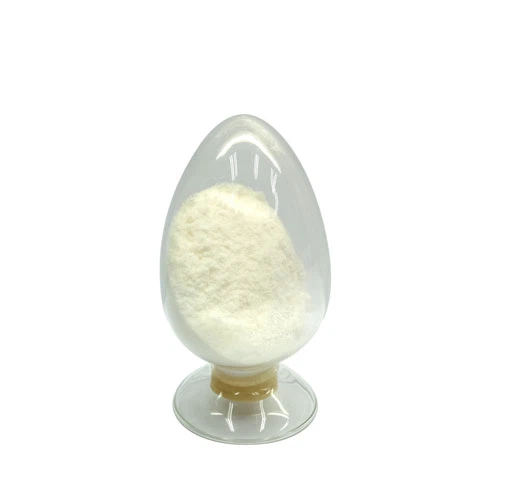
White Powder |
|
Water |
0.5% Max |
|
Assay |
≥98% |
● Packing: 100g/bag; 500g/bag; 1kg/bag; 25kg/drum
● Recommended storage method: Store in a cool, dry and ventilated place.
● Recommended storage temperature: 2-8°C
● Product usage: API
Functions of Beta-NADPH Tetrasodium Salt

● A typical coenzyme used in reduction reactions
● Transfer electrons and a hydrogen displaced by the energy of sunlight
● Work with a wide variety of enzymes
● Considered one of the universal electron carriers


