



I. Basic Information
|
Item |
Details |
|
English Name |
Acetyl Zingerone |
|
Chemical Name |
3-(4-Hydroxy-3-Methoxybenzyl)Pentane-2,4-Dione |
|
CAS Number |
30881-23-3 |
|
Molecular Formula |
C₁₃H₁₆O₄ |
|
Molecular Weight |
236.26 |
|
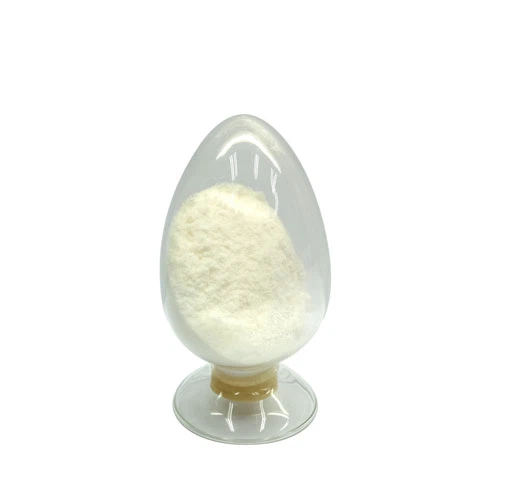
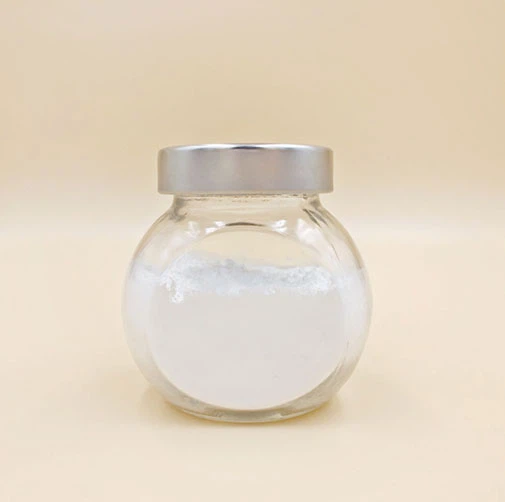
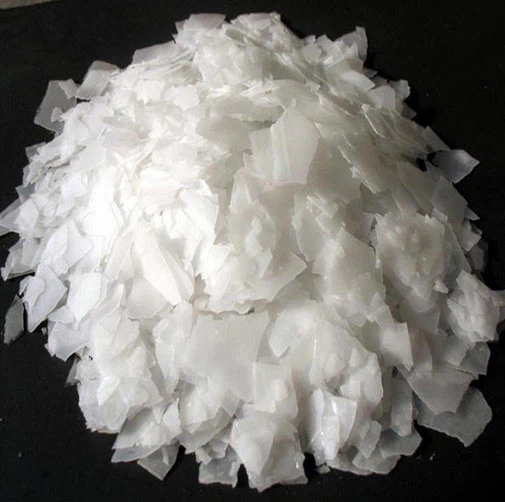
Appearance |
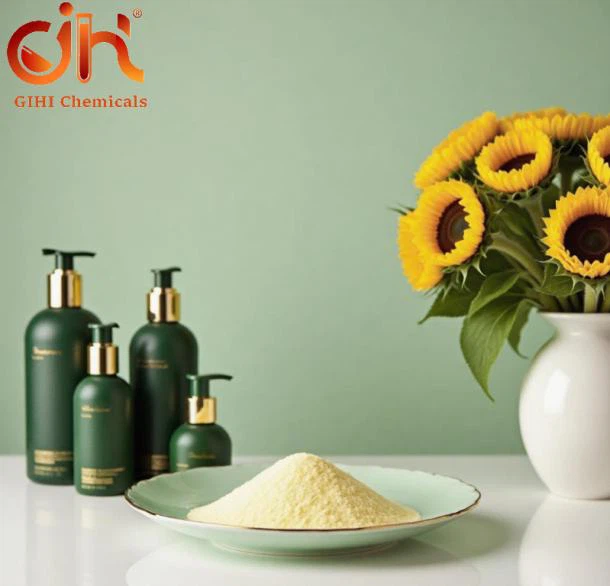
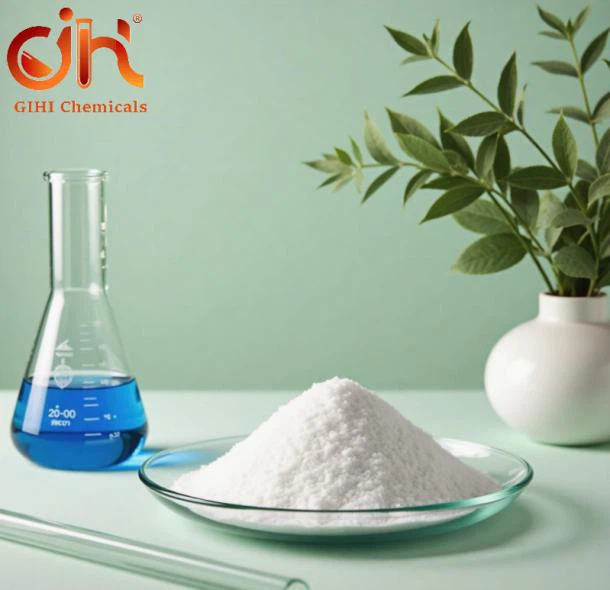
Off-white to light yellow crystalline powder |
|
Purity |
≥98% |
|
INCI Name |
Acetyl Zingerone |
|
China Filing |
Completed cosmetic new ingredient filing (NMPA) |
Gihichem's Acetyl Zingerone Specification:
|
Item |
Specification |
|
Appearance |
Off-white to pale yellow color powder |
|
1H-NMR |
Complies with the structure |
|
Loss on Drying (45℃ under vacuum for 3h) |
≤ 1.0% |
|
Residue on Ignition |
≤ 1.0% |
|
Lead |
≤ 0.5ppm |
|
Arsenic |
≤ 1.5ppm |
|
Cadmium |
≤ 0.5ppm |
|
Mercury |
≤ 3.0ppm |
|
Purity (HPLC) |
≥ 98.0% |
II. Chemical Structure & Design Rationale
Acetyl Zingerone is a rationally designed synthetic molecule that integrates the structural essence of two classic natural antioxidants:
Structural Origins
|
Natural Precursor |
Source |
Retained Structural Feature |
|
Zingerone |
Ginger |
4-Hydroxy-3-methoxybenzyl (guaiacol group) - provides phenolic hydroxyl for hydrogen donation to scavenge free radicals |
|
Curcumin |
Turmeric |
β-Diketone (pentane-2,4-dione) side chain - provides intramolecular hydrogen bond chelation for enhanced stability |
Key Design Breakthrough
The introduction of the 2,4-dione moiety into the zingerone side chain (shared with curcumin) forms an intramolecular hydrogen bond chelation, which dramatically improves chemical stability while preserving the antioxidant efficacy of both zingerone and curcumin. This enables AZ to combine the advantages of both while overcoming their respective drawbacks.
III. Detailed Core Efficacy
1. Superior Antioxidant - Multi-dimensional ROS Scavenging
Acetyl Zingerone's antioxidant mechanisms far exceed those of traditional antioxidants, covering at least four distinct antioxidant pathways:
|
Antioxidant Pathway |
Mechanism |
Significance |
|
Free Radical Scavenging |
Phenolic hydroxyl donates hydrogen (H-atom transfer), directly neutralizing free radicals |
Classic antioxidant pathway, protecting cells from oxidative damage |
|
Singlet Oxygen (¹O₂) Physical Quenching |
Deactivates excited-state ¹O₂ via energy transfer; unlike chemical quenching, it does not consume itself |
Key differentiating advantage! Can be used repeatedly in a catalytic cycle for long-lasting protection |
|
Peroxynitrite (ONOO⁻) Scavenging |
Directly scavenges one of the most powerful oxidants in the body |
Protects proteins and DNA from nitration damage |
|
Reduction of Intracellular ROS |
Significantly decreases UVA-induced intracellular reactive oxygen species in keratinocytes |
Protects skin cells from photo-oxidative damage |
Core Highlight: Singlet Oxygen Physical Quenching
Most antioxidants (e.g., Vitamin C, Vitamin E) can only scavenge ROS through chemical reactions, being consumed with each reaction cycle. AZ's physical quenching mechanism returns ¹O₂ to its ground state (³O₂) via energy transfer without AZ undergoing chemical change, allowing it to be used repeatedly and achieve long-lasting antioxidant protection.
2. Photoprotection - Comprehensive UV/Blue Light Defense
|
Photoprotective Function |
Mechanism |
|
Anti-UVA Damage |
Scavenges UVA-induced ROS and ONOO⁻, reducing oxidative stress |
|
DNA Protection |
Demonstrated to protect melanocytes from the formation of cyclobutane pyrimidine dimers (CPDs) after UVA irradiation |
|
Blue Light Protection |
Scavenges reactive oxygen species induced by high-energy visible (HEV/blue) light, mitigating disruption of skin circadian rhythms |
|
Excellent Photostability |
Remains stable under light exposure (protected by intramolecular hydrogen bond chelation), superior to photounstable natural antioxidants like curcumin |
CPDs (Cyclobutane Pyrimidine Dimers) are hallmark products of UV-induced DNA damage. AZ's ability to reduce their formation in melanocytes implies preventive significance for photoaging and potentially photocarcinogenesis.
3. Anti-Pollution - Defense Against Environmental Stressors
Scavenges oxidative stress induced by ozone (O₃), PM2.5, and other environmental pollutants
Reduces pollutant-triggered inflammatory cascades
Protects skin barrier function
4. MMP Enzyme Inhibition - Anti-Collagen Degradation
|
MMP Type |
Function |
AZ's Effect |
|
MMP-1 |
Degrades Type I and Type III collagen |
↓ Inhibits expression |
|
MMP-3 |
Degrades multiple ECM proteins, activates other MMPs |
↓ Inhibits expression |
By inhibiting MMP enzymes, AZ prevents collagen breakdown caused by UV radiation and oxidative stress at the source, guarding against skin laxity and wrinkle formation.
5. Anti-Inflammatory - IL-17A Pathway Inhibition
|
Target |
Effect |
|
IL-17A |
Inhibits IL-17A target gene expression |
|
NF-κB Pathway |
Reduces release of pro-inflammatory cytokines |
IL-17A is a core driver of chronic inflammatory skin diseases such as psoriasis. AZ's IL-17A inhibitory capacity makes it valuable not only for daily skincare anti-inflammatory use but also potentially for dermatological therapeutic applications.
6. Promotes ECM Synthesis - Upregulates Collagen & Matrix Proteins
Compared to zingerone, AZ shows more pronounced upregulation of the following gene expressions:
|
Gene/Protein |
Function |
|
Collagen |
Maintains skin elasticity and firmness |
|
Proteoglycans |
Preserves skin hydration and structural integrity |
|
ECM Glycoproteins |
Extracellular matrix support network |
7. Improves Facial Dullness & Sallowness
Long-lasting antioxidant defense against photo-oxidation
Ameliorates "tired face" and "dull/sallow complexion" caused by oxidation, glycation, and elevated cortisol
Enhanced efficacy when co-formulated with anti-glycation ingredients (e.g., acetyl hydroxyproline)
IV. Comparison with Traditional Antioxidants
|
Parameter |
Acetyl Zingerone (AZ) |
Vitamin C |
Vitamin E |
Curcumin |
Zingerone |
|
Free radical scavenging |
✅ |
✅ |
✅ |
✅ |
✅ |
|
¹O₂ physical quenching |
✅ |
❌ |
❌ |
❌ |
❌ |
|
ONOO⁻ scavenging |
✅ |
❌ |
❌ |
✅ |
Partial |
|
Photostability |
✅ Excellent |
❌ Photo-sensitive |
Moderate |
❌ Photo-sensitive |
Moderate |
|
MMP inhibition |
✅ |
❌ |
❌ |
Partial |
Partial |
|
IL-17A inhibition |
✅ |
❌ |
❌ |
Partial |
Partial |
|
Chemical consumption |
Non-consumed (physical quenching) |
Consumed |
Consumed |
Consumed |
Consumed |
|
Long-lasting persistence |
✅✅✅ |
Limited |
Limited |
Limited |
Limited |
V. Practical Applications & Product Cases
Skincare Applications
Acetyl Zingerone has been adopted by well-known brands in their products:
|
Brand |
Product |
AZ's Positioning |
|
Pechoin |
Linglong Guangyang Essence |
Supramolecular Acetyl Zingerone for long-lasting antioxidant action, building a "sugar + oxidation + oil" triple-control system |
Clinical Data (Pechoin Linglong Essence, containing AZ + co-formulation system)
|
Parameter |
28-Day Improvement |
|
Sebum output |
Average reduction of 31.64% |
|
Redness |
Improvement of 37.34% |
|
Skin firmness |
Increase of 31.21% |
|
Forehead fine lines |
Reduction of 21.78% |
|
Adverse reactions in sensitive skin |
0 cases (35 sensitive skin subjects tested) |
Formula Architecture: The "Sugar + Oxygen + Oil" Triple-Control System
The Linglong Essence features a three-layer synergistic system with Acetyl Zingerone at its core:
|
Layer |
Core Ingredient |
Function |
Mechanism |
|
Anti-Oxidation |
Supramolecular Acetyl Zingerone |
Long-lasting antioxidant, brightens sallowness |
Physical quenching of ¹O₂ (non-consuming), scavenges ROS and ONOO⁻; no photosensitivity - safe for both AM and PM use; more stable than traditional Vitamin C and Vitamin E |
|
Anti-Glycation |
Acetyl Hydroxyproline |
Reduces glycation-induced yellowing and laxity |
Reduces glycation end-product CML by 18.67%, improving sallow, dull complexion caused by high-sugar diets |
|
Oil Control |
VB-IP (Pyridoxine Tri-hexyldecanoate) |
Regulates sebum from the source |
2024 NMPA newly filed ingredient; modulates sebaceous gland lipid secretion without over-drying, unlike traditional astringents |
Complementary Formula Systems
In addition to the triple-control core, the formula integrates two complementary systems:
a) Anti-Cortisol Complex - "Linglong Anti-Cortisol Factor
|
Component |
Details |
|
Origin |
Co-developed by Pechoin and Jiangnan University using AI screening |
|
Composition |
Trumpet Vine + Schisandra botanical combination |
|
Mechanism |
Inhibits 11β-HSD1 enzyme, reducing conversion of inactive cortisone to active cortisol in skin; thereby preventing cortisol-driven collagen degradation |
b) Soothing & Barrier Repair System - "Skin Happiness Factors"
|
Ingredient |
Function |
|
Theanine |
Inhibits TRPV-1 (capsaicin receptor) activation, reducing stinging and redness signals |
|
Glutamine |
Supports barrier repair and cellular energy |
|
DNA-Mg |
DNA repair co-factor |
|
CB-2 Activation |
Cannabinoid receptor type 2 activation increased by 48% (soothing pathway) |
|
TRPV-1 Inhibition |
Reduced by 29% (pain/inflammation signaling) |
c) Triple Oil-Control System
|
Layer |
Ingredient |
Dimension |
|
1. Sebum Suppression |
VB-IP |
Inhibits sebaceous gland lipid secretion at the source |
|
2. Lipid Metabolism |
Succinic Acid |
Accelerates sebum metabolism and turnover |
|
3. Pore Clearance |
Pomegranate Peel Extract + Exfoliants |
Clears keratinized plugs and refines pore appearance |
28-Day Third-Party Clinical Efficacy Data
All data from third-party professional human clinical testing:
|
Parameter |
28-Day Improvement |
|
Skin brightness / radiance |
Improvement of 22.97% (dull "tired face" visibly brightened) |
|
Cheek redness |
Improvement of 37.34% (sensitive redness visibly reduced) |
|
Sebum output |
Average reduction of 31.64% (afternoon T-zone shine significantly decreased) |
|
Skin firmness |
Increase of 31.21% |
|
Fine lines / dry lines |
Reduction of 23.07% (forehead and eye area) |
|
Adverse reactions in sensitive skin |
0 cases out of 35 sensitive skin subjects |
|
Patch test reactions |
0 positive out of 31 subjects |
Texture & Sensory Profile
|
Property |
Description |
|
Texture |
Crystal-clear translucent gel |
|
Absorption |
Transforms to water upon contact; rapid absorption |
|
Finish |
Soft matte, non-sticky, no film residue |
|
Comedogenicity |
Non-comedogenic; safe for oily/acne-prone skin |
|
Compatibility |
Layers well under moisturizers, sunscreens, and makeup |
|
Phototoxicity |
None - AZ and VB-IP are both non-photosensitizing, safe for morning use |
2. Scientific Research & Published Evidence
Acetyl Zingerone has been the subject of multiple peer-reviewed publications and conference presentations:
|
Study / Publication |
Key Findings |
|
Singlet Oxygen Physical Quenching Study |
AZ demonstrated physical (energy-transfer) quenching of ¹O₂, returning singlet oxygen to ground state without chemical consumption of AZ itself. This catalytic mechanism enables long-lasting, recyclable antioxidant protection - a fundamental advantage over conventional antioxidants that are stoichiometrically consumed. |
|
Peroxynitrite (ONOO⁻) Scavenging |
AZ effectively scavenged peroxynitrite, one of the most powerful endogenous oxidants. This pathway is not addressed by Vitamin C or Vitamin E, positioning AZ as a uniquely comprehensive antioxidant. |
|
UVA-Induced CPD Protection in Melanocytes |
AZ protected melanocytes from UVA-induced formation of cyclobutane pyrimidine dimers (CPDs), a hallmark of UV-induced DNA damage. This implies potential for photoaging prevention and reduced photocarcinogenesis risk. |
|
IL-17A Pathway Inhibition |
AZ demonstrated significant inhibition of IL-17A target gene expression, suggesting therapeutic potential for inflammatory skin conditions such as psoriasis, beyond routine anti-aging skincare. |
|
MMP-1 / MMP-3 Inhibition |
AZ significantly reduced expression of MMP-1 and MMP-3, the key collagen-degrading enzymes upregulated by UV and oxidative stress, thereby preserving dermal extracellular matrix integrity. |
|
ECM Gene Upregulation |
Compared to native zingerone, AZ showed more pronounced upregulation of collagen, proteoglycan, and ECM glycoprotein gene expression, supporting its role in promoting skin structural protein synthesis. |
3. International Brand & Formulation Applications (Emerging)
Beyond Pechoin, Acetyl Zingerone is gaining traction globally as a next-generation antioxidant active:
|
Market |
Application Trend |
Details |
|
United States |
Anti-aging serums & photoprotection boosters |
Acetyl Zingerone is actively supplying US indie and clinical skincare brands for antioxidant + blue-light defense formulations |
|
Europe |
Anti-pollution & urban skincare |
Acetyl Zingerone ONOO⁻ scavenging and ozone-protective capabilities make it ideal for "city skin" defense products |
|
China |
Sensitive skin anti-aging + oil-control |
Following Pechoin's success and NMPA new ingredient filing , multiple Chinese brands are developing Acetyl Zingerone -based products for oily-sensitive anti-aging segment |
|
South Korea |
Blue-light & digital aging defense |
Acetyl Zingerone ¹O₂ physical quenching and HEV/blue-light ROS scavenging align with K-beauty's focus on screen-time skin damage |
|
Japan |
Gentle anti-aging for mature skin |
Acetyl Zingerone 's excellent safety profile (no irritation, no phototoxicity) suits the Japanese market's preference for mild yet effective anti-aging ingredients |
4. Suggested Formulation Prototypes
Based on AZ's physicochemical properties and efficacy profile, the following formulation concepts are recommended for product development:
Formulation Prototype A: Antioxidant Brightening Serum
|
Component |
Concentration |
Function |
|
Acetyl Zingerone |
1.0% |
Core long-lasting antioxidant |
|
Acetyl Hydroxyproline |
2.0% |
Anti-glycation, brightening |
|
Ferulic Acid |
0.5% |
Synergistic antioxidant |
|
Niacinamide |
4.0% |
Pore refining, barrier support |
|
Hyaluronic Acid (multi-MW) |
0.1–0.5% |
Hydration |
|
Base |
q.s. |
Light serum vehicle |
Formulation Prototype B: Blue-Light & UV Defense Day Serum
|
Component |
Concentration |
Function |
|
Acetyl Zingerone |
0.5% |
¹O₂ physical quenching, blue-light defense |
|
Bakuchiol |
0.5% |
Gentle retinol alternative, MMP inhibition |
|
Lutein (oil-soluble) |
0.1% |
Blue-light absorption |
|
Vitamin E (Tocopherol) |
0.5% |
Lipid-phase antioxidant |
|
Sunscreen filters (optional) |
Per regulations |
Physical UV filter base |
|
Base |
q.s. |
Lightweight fluid |
Formulation Prototype C: Sensitive Skin Anti-Aging + Soothing Cream
|
Component |
Concentration |
Function |
|
Acetyl Zingerone |
0.5% |
Non-irritating antioxidant, IL-17A inhibition |
|
Schisandrin |
0.3% |
MMP inhibition + antioxidant synergy |
|
Theanine |
1.0% |
TRPV-1 inhibition, soothing |
|
Ceramide NP |
0.5% |
Barrier repair |
|
Squalane |
3.0% |
Emollient, skin-compatible lipid |
|
Base |
q.s. |
Comfort cream vehicle |
5. Market Significance & Strategic Value of Acetyl Zingerone
|
Strategic Dimension |
Value Proposition |
|
Technology Differentiation |
First commercially available cosmetic active with singlet oxygen physical quenching + peroxynitrite scavenging - mechanisms no traditional antioxidant offers |
|
Consumer Trend Alignment |
Perfectly aligned with 2025–2026 mega-trends: blue-light defense, anti-pollution, cortisol/stress-aging, sensitive skin anti-aging |
|
Formulation Flexibility |
Non-photosensitizing → AM/PM use; oil-compatible → suits both aqueous serums and lipid-rich creams; pH-stable across 4.0–8.0 |
|
Regulatory Advantage |
NMPA new ingredient filing completed (China); well-documented safety dossier supports global registration |
|
Patent Protection |
Sytheon holds composition and use patents, providing formulation partners with IP-backed differentiation |
|
Consumer Experience |
No tingling, no tolerance-building, no sun avoidance required - ideal for the growing "gentle efficacy" consumer segment |
VI. Recommended Usage Concentrations & Formulation Suggestions
|
Application Scenario |
Recommended Concentration |
|
Antioxidant / Anti-aging serum |
0.5%–2% |
|
Photoprotection adjunct |
0.5%–1% |
|
Anti-inflammatory / Soothing |
0.2%–1% |
Classic Co-formulation Combinations
|
Co-formulated Ingredient |
Synergistic Effect |
|
Acetyl Hydroxyproline |
Antioxidant + Anti-glycation, brightens and reduces sallowness |
|
Bakuchiol |
Antioxidant + Mild collagen promotion, gentle retinol alternative for anti-aging |
|
Schisandrin |
Antioxidant + MMP inhibition, dual firming action |
|
Theanine |
Antioxidant + Soothing / Stress relief |
|
Ferulic Acid |
Dual antioxidant synergy |
|
Sunscreens |
Chemical sunscreen + Biological sunscreen dual defense line |
VII. Safety & Regulatory Status
|
Item |
Status |
|
Skin irritation |
Extremely low, gentle and non-irritating |
|
Phototoxicity |
None |
|
Sensitization potential |
Extremely low |
|
China New Cosmetic Ingredient Filing |
✅ Completed |
|
Suitable for sensitive skin |
✅ Yes (no tolerance-building period required) |
VIII. Summary
Acetyl Zingerone is a next-generation multifunctional skincare antioxidant that fuses the dual structural advantages of zingerone and curcumin.
Its core differentiating advantages are:
Singlet oxygen physical quenching - Non-consuming, recyclable long-lasting antioxidant action.
Peroxynitrite scavenging - Covers oxidative pathways that traditional antioxidants cannot address.
Excellent photostability - Overcomes the critical weakness of curcumin's photoinstability.
MMP inhibition + IL-17A inhibition - Dual efficacy in anti-collagen degradation and anti-inflammation.
Gentle and safe - Suitable for sensitive skin, no tolerance-building period required.
It can be regarded as a "next-generation all-round antioxidant surpassing Vitamin C and curcumin", particularly well-suited for formulation scenarios such as anti-photoaging, anti-pollution, early anti-aging, and gentle anti-aging for sensitive skin.
VIIII: What is the usage of Acetyl Zingerone+CAS 30881-23-3?
Recommended Application Scenarios:
Antioxidant & Brightening Serum - Improves dullness and sallowness from fatigue/lack of sleep.
Photoprotection Products - Paired with sunscreen as a biological photoprotection supplement.
Anti-Aging & Firming - Inhibits MMPs, protects collagen.
Sensitive Skin Anti-Aging - Gentle and non-irritating, no tolerance-building period required.
Anti-Pollution Spray/Cream - Urban pollution defense.
Acne-Prone/Oily-Sensitive Skin Care - Oil control & anti-inflammatory, reduces redness.
FAQ:
1: What will you get from gihi chemicals except higher quality products?
Gihi Chemicals Co.,Limited, is a professional manufacturer with
3strong research and development lab centers + 4 standardized production workshops,with ISO9001 & FDA certificate & CE certificates.
Except the high quality product, your team will get the following 4 support:
1): Factory direct sales, China's lower price, free sample is available.
2): COA, TDS, SDS and other testing spectrum are available at any time.
3):ISO9001, FDA, CE certificate, 3 labs and 4 factories, to insure the higher quality.
4): Large quantity in stock, prompt delivery from warehouse, 24h professional service.
2:Where to buy bulk Acetyl Zingerone+CAS 30881-23-3?
Send an inquiry email to us : sales@gihichem.com
Our professional team will reply to you within 6 hours.
3:Why Choose gihi chemicals for Your trustful supplier?
●Extensive Selection: Our 3 labs and 4 factories ensure every year, we could produce more than 100 new chemical structures every year.
●GMP-Compliant Facilities: Our 4 professional factories comply with strict GMP (Good Manufacturing Practice) guidelines, ensuring the highest quality and safety standards throughout production.
●Rigorous Certifications: All ingredients are certified with HACCP, ISO, FDA,CE certificates.
●Competitive Wholesale Prices: Enjoy cost-effective pricing without compromising on quality.
●Customizable Solutions: OEM and ODM services are available. Tailor your ingredient blends to your specific needs and target clients.
●Expert Technical Support: Our expert team is here to answer your questions and guide you through the selection process.
●Quicker Delivery: We ensure smooth and timely delivery to your desired destination anywhere.


